
HVAC Installation in Evansville, IN
A new system here will heat from October through April and cool from May through September every year. Tell us about the house, and a licensed contractor who covers Vanderburgh County will get in touch.
Tell us about the job
It takes about a minute.
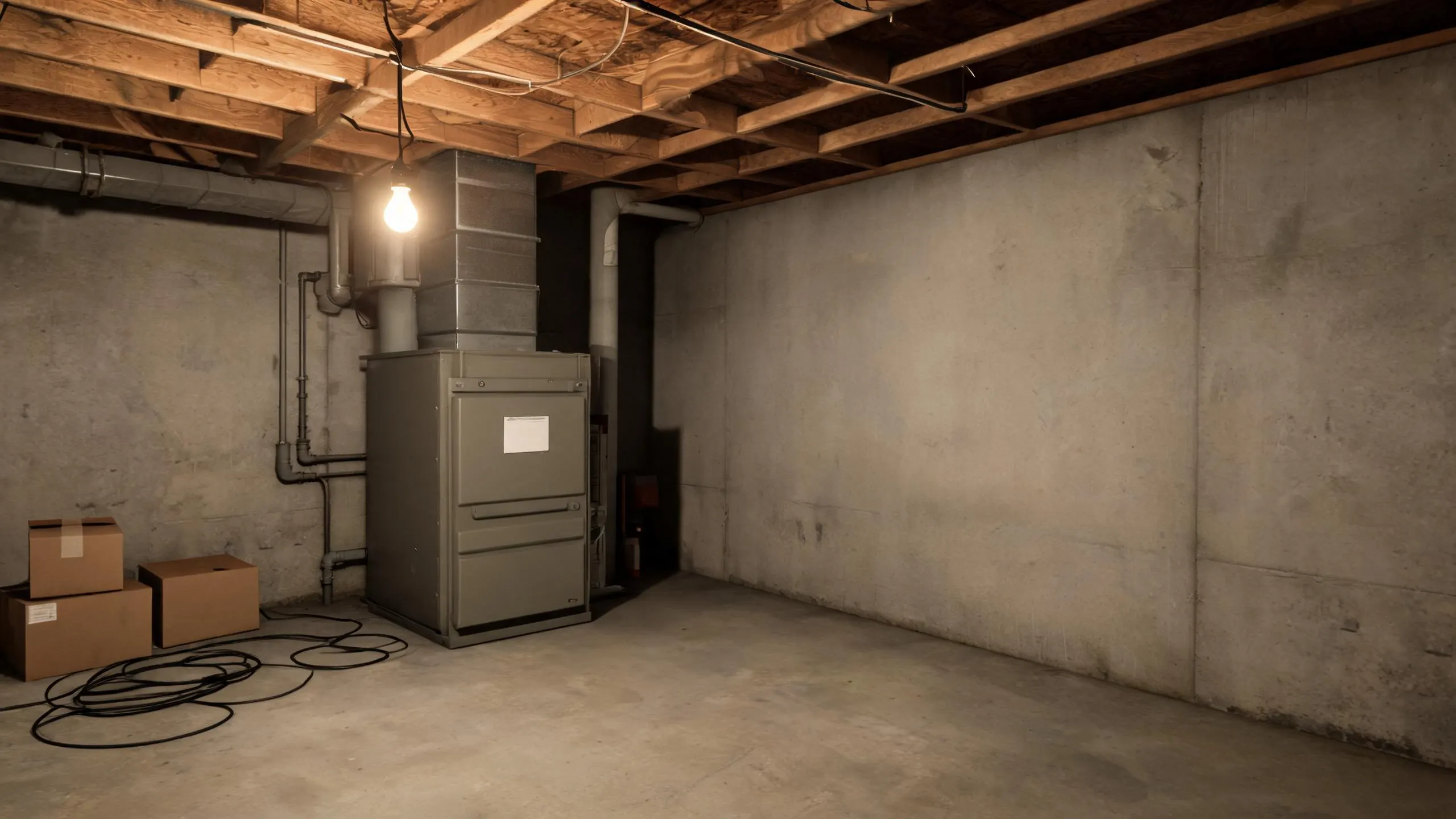
What Vanderburgh County weather asks of a new system
Your new system will run nearly the whole year here. Heat from October through April, seven months, then cooling from May through September, five months. Only a short stretch in between gets a break from either one.
Winter nights average 27°F, cold enough that a furnace sized wrong will run long stretches trying to keep up. Summer afternoons average 87°F, and the condenser outside works through that heat five months straight. Most homes here heat with gas. Any new furnace installed has to meet the federal minimum efficiency standard, so that part is set for you. What is not set is sizing the equipment to a season that runs this long in both directions, and getting it installed so it holds up to the wind. Vanderburgh County has seen 103 damaging wind events and 11 winter storms over the past ten years, and in 2024, 17% of Indiana households lost power for at least 24 hours. A system that comes back on by itself once power returns matters here.
- 7 months
- October through April, your system heats
- 5 months
- May through September, it cools
- 27°F
- the average winter night it heats against
- 87°F
- the average summer afternoon it cools against
NOAA nClimDiv, 1991–2020 normals
In Indiana, HVAC licensing for homes is left to the counties and cities.
Indiana leaves this to the counties and cities, so whether Vanderburgh County licenses or registers HVAC contractors is a local fact, not a state one. There's no state list to check either way. What applies here comes from the county and city rule, whatever that is.
For an installation like this one, what covers the job in most places is the permit process. Putting in a new furnace or air conditioner needs a permit from the local building office, and the finished work gets an inspection when it's done. That's what stands between this job and no oversight at all, in a state with no license behind it.
Sources: Indiana Department of Workforce Development · State of Indiana
- When should I replace my HVAC system?
- Once your furnace or air conditioner is old enough that repairs are getting more frequent, replacing it makes more sense than continuing to fix it. Watch for signs like rooms that won't hold an even temperature, a system that runs longer than it used to, or a jump in your utility bills with no other cause. Here, your furnace runs from October through April and your air conditioner from May through September, so both sides of the system see heavy use all year. If a repair bill is climbing close to what a new unit would cost, a contractor can walk you through whether replacing it now is the better move.
- Should I replace my furnace and air conditioner at the same time?
- If both are original to the house and getting close in age, replacing them together often makes sense, but it depends on the condition of each one. A furnace and air conditioner installed at the same time are matched to work together, and pairing an old furnace with a new coil, or the reverse, can mean one part limits how well the other performs. If only one has actually failed, a contractor can check whether the other is still sound enough to leave in place for now. The right call depends on the age and condition of what you have, not just the calendar.
- What happens during an HVAC installation?
- A contractor first sizes the new equipment to your house rather than just matching what's being removed, since the wrong size furnace or air conditioner won't heat or cool evenly. The old equipment comes out, and the new furnace, coil, or air conditioner goes in along with any connections it needs to your ducts, gas line, refrigerant lines, or electrical. Once it's in place, the contractor tests it, checks refrigerant charge or gas pressure, and confirms it's running the way it should before calling the job done. Any permits or inspections required for the work are handled as part of the installation.