


Open and clear
Air moves straight out through the hood and the flap swings shut behind it. A dryer venting like this runs one cycle and shuts off, because the moisture actually leaves the house instead of circling back into the drum.
One request and the dryer vent cleaning stops waiting on you.
Hand it offA load that used to take forty minutes now runs through two cycles and still comes out damp around the seams. Before you blame the dryer itself, it helps to know what actually controls drying time. Most of the time the machine is fine. The problem is what happens between the drum and the outside wall of your house.
Your dryer dries clothes by pushing hot, damp air out through the vent and pulling in fresh air to heat again. When lint builds up inside that vent line, less air moves through on each cycle, so the moisture has nowhere to go. The drum keeps heating, the clothes keep tumbling, but the damp air just recirculates instead of leaving the house. In Indiana, summer humidity makes this worse, since the air coming in to replace what's vented out is already heavy with moisture. A vent that's partly blocked might still let the dryer run and heat normally, which is why this gets missed. The clothes just take longer, load after load, until the vent is cleared out.
Lint builds up inside the vent duct over time.
Airflow drops, so hot moist air can't escape outside.
The dryer senses moisture and keeps running to compensate.
Heat and humidity trapped inside slow the drying process.
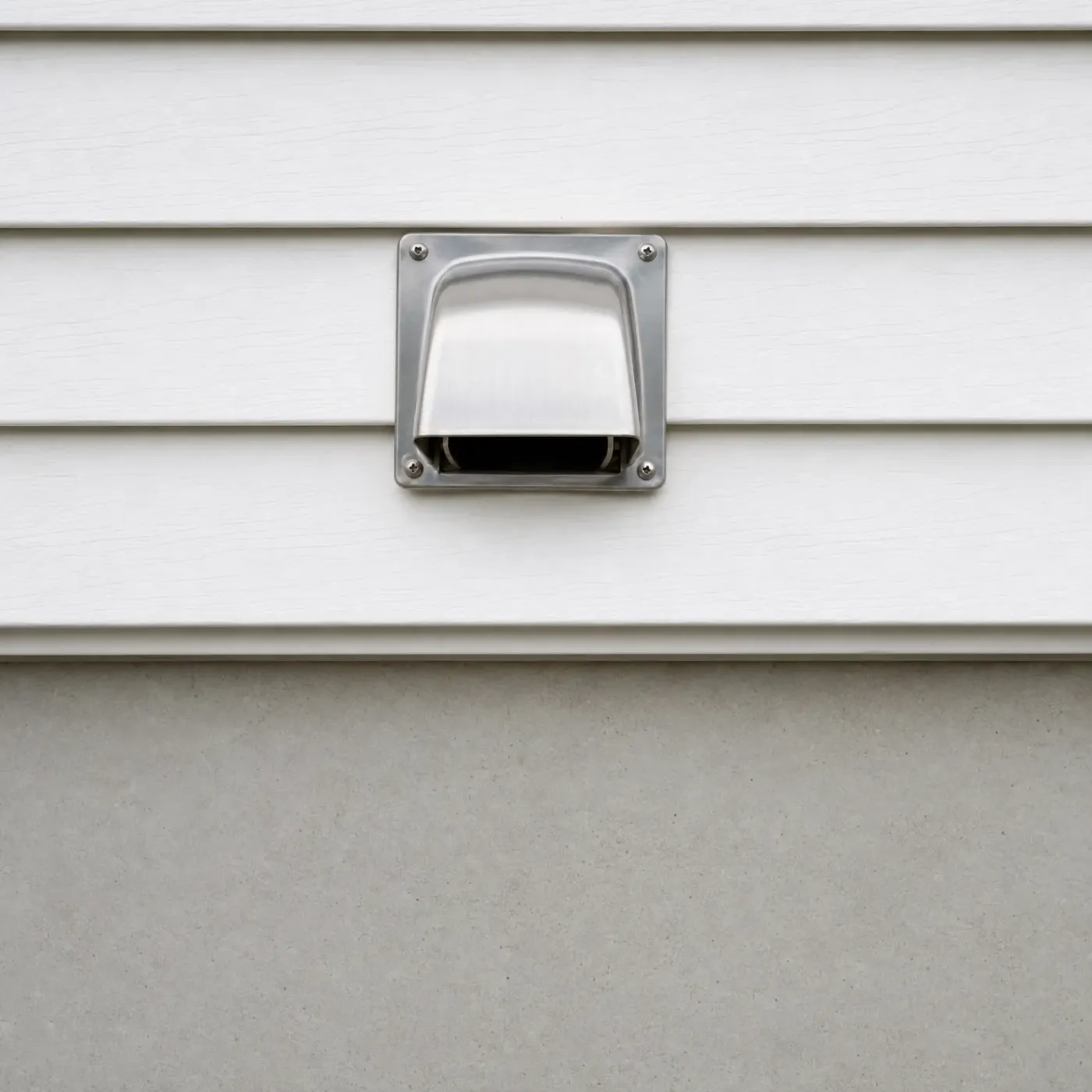
Air moves straight out through the hood and the flap swings shut behind it. A dryer venting like this runs one cycle and shuts off, because the moisture actually leaves the house instead of circling back into the drum.
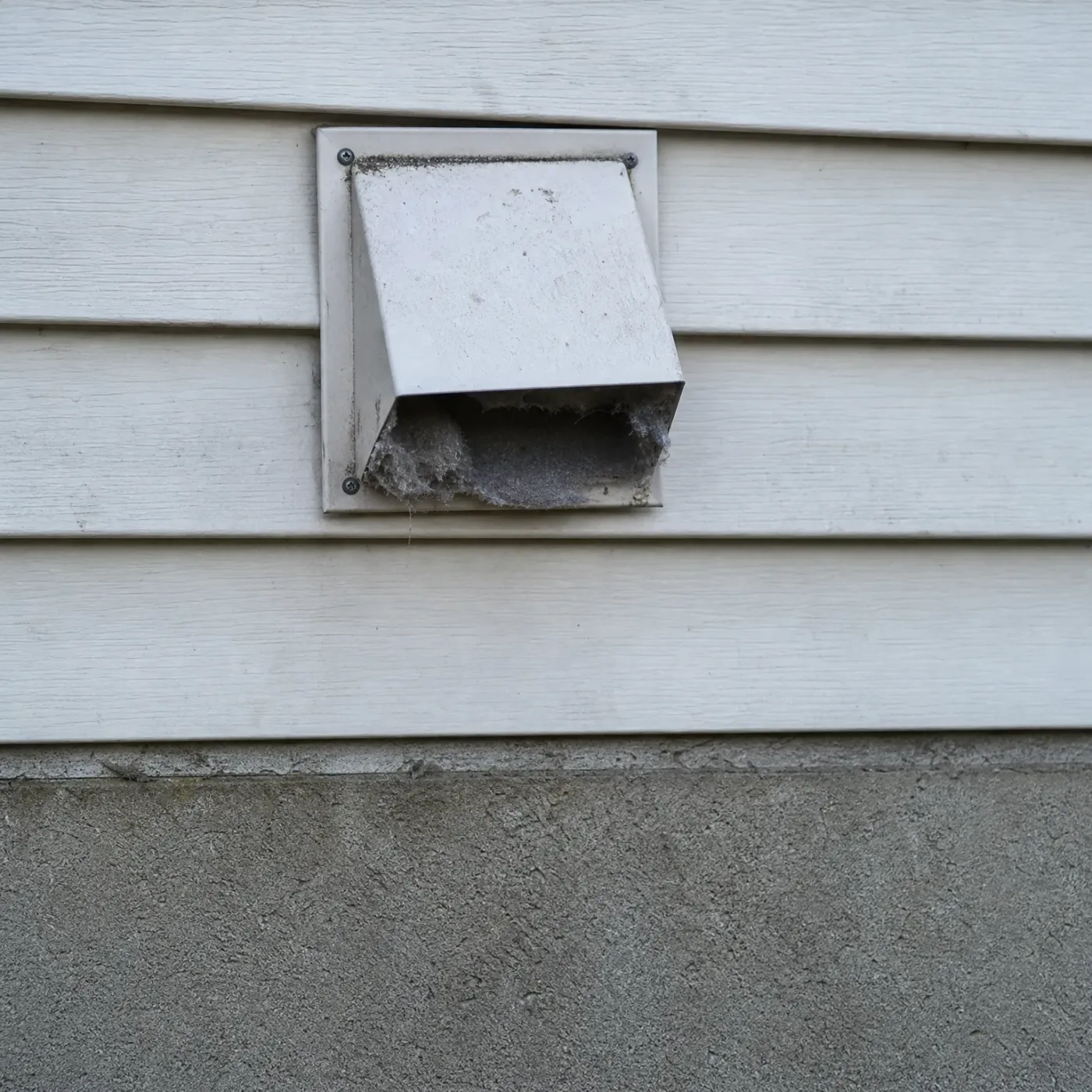
Lint has packed in behind the hood until the flap can't close. Air barely gets out, so the hot damp air stays in the drum and the dryer keeps running long after the load should be done.




The pro who reaches out is licensed in Indiana.
You only hire the pro if you want to.
A dryer vent run with a lot of lint in it can cut airflow by half or more before anything looks wrong from the outside, because the hood flap still opens and closes the same.
That's why the dryer can run two full cycles and still miss the drying time it managed on one, since the moisture it should be pushing outside keeps coming back through the drum.


That second cycle is pulling double the power and adding wear on the belt and the heating element with every load, long before the vent ever gets looked at.
A blocked vent traps lint and heat together in the same place. That's a fire risk sitting behind your dryer, not just a slower load of laundry.
Touch the front of the dryer partway through a cycle and it's hotter than it should be. The laundry room feels warmer and stickier than the rest of the house, especially with summer humidity already working against you. Clothes come out of the dryer hot to the touch but still damp, and towels in particular seem to take forever. You might notice the outside hood barely puffs air when the dryer is running, where it used to push a steady stream. None of this means the dryer is failing. It means the air isn't getting out, and a vent that can't exhaust properly is also a vent holding onto lint and heat it shouldn't.


Catching a dryer running long after one or two extra cycles means the vent gets cleared before lint packs in tight enough to matter. A dryer that's just starting to slow down still has decent airflow to work with, so clearing it now is a quicker job and the dryer goes back to drying a load in one cycle instead of two. Summers here already push humidity into the laundry room, and a vent that's venting properly is one less thing adding to that. Checking it now, while it's a minor annoyance instead of a daily grind, is the difference between a small fix and a dryer that's struggling with every single load.
Plenty of people notice the extra cycle, shrug, and figure the dryer's just getting old. The loads still come out dry eventually, so it doesn't feel urgent. But the vent doesn't clear itself, and the lint keeps building with every load that runs. Months go by, the dryer runs hotter and longer each time, and the laundry room stays warmer than it should, especially once summer humidity is already working against it. What started as one extra cycle can turn into two or three, and the gas furnace and dryer both end up working harder in a house that's already sticky enough without it.
At 15.96 cents a kilowatt-hour, that extra cycle isn't free. A dryer pulls a lot of power to run its heating element, so every load that runs twice because the vent's clogged costs you roughly double, on top of the wait.
EIA-861 2025 statewide residential average

This is what the cap outside should look like. The louvers sit open, the hood is clean, and air is passing straight through to the outside. A vent like this lets the dryer push moisture out in one cycle instead of fighting to clear it.

Lint has built up around the opening until the louvers can barely move and dust is caked across the siding. Air that should be leaving the house is backing up into the duct, and the dryer is working through extra cycles trying to push past it.
A dryer that runs long is telling you the vent isn't clearing the way it should, and a cleaning is what gets it back to one cycle. That's the whole answer. The part you can't see from the laundry room is how packed that duct is or how close the hood is to shut, and that's the part worth having someone check before it turns into a bigger problem. A tech who cleans vents on homes around Indiana all year, through humid summers and gas-heated winters, knows which runs clog fast and which hoods tend to stick, because they've opened up plenty of them. You'd be working with one licensed local contractor on this, not a handful of different companies calling about the same job. Get the vent clear and the dryer goes back to doing what it was built to do: one cycle, clothes dry, done.

Your request stays with one local pro.
