Dryer taking too long to dry in South Bend, IN

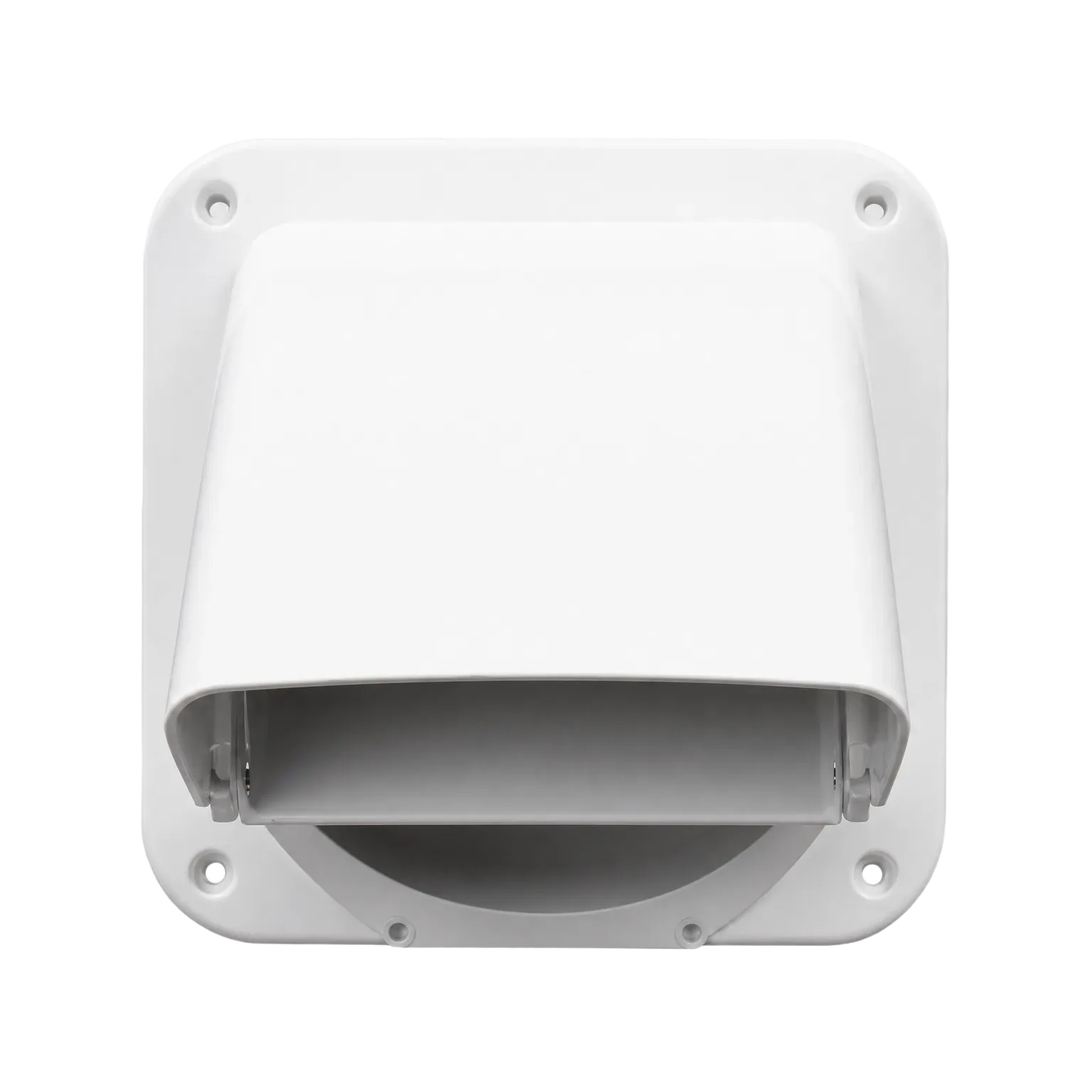
A white plastic wall vent with a square mounting flange, hooded cover, and round duct collar visible beneath, shown against a plain light gray background.
Get my match

Why is my dryer taking forever to dry clothes?

You load the dryer, run a full cycle, and pull out clothes that are still damp. So you run it again. Maybe a third time. It used to take one cycle. Now it takes two or three, and the laundry room gets warm and smells faintly hot. You're not imagining it, and it's not your washer leaving clothes too wet. Something is slowing the dryer down, and it usually comes down to one thing.

A clogged vent is the most common cause

Dryers work by pushing hot, wet air out through a vent that runs from the machine to the outside of your house. Lint builds up inside that vent over time, not just in the trap you clean after every load. As the vent narrows, air can't escape, so the moisture stays in the drum and clothes come out damp. The dryer senses this and keeps running, trying to finish a cycle it can't complete. A dryer that used to take 40 minutes and now takes two cycles almost always has a vent that's partly or fully blocked, not a broken heating element. The fix is clearing the vent, not replacing parts.

An older man with gray hair and a beard, wearing a dark snow-dusted jacket and scarf, stands smiling in a warmly lit interior hallway with a lit table lamp, a vase of dried branches, and a framed picture in the background.
An older man in a dark snow-flecked overcoat and scarf stands smiling in a warmly lit home entryway, with a glass-paned door showing darkness outside and a lamp-lit room visible through a doorway behind him.
An older man with grey hair and a beard, wearing a dark coat dusted with snow, stands in a dimly lit entryway with a ceiling lamp, a side table with two shaded lamps, and a lit fireplace visible in a room beyond.
An older man with gray hair and a beard, wearing a dark coat dusted with snow, stands smiling in a doorway of a warmly lit home with a sofa, lamp and window visible behind him.

Why does my dryer run so long here?

  • 2.44 people per household on average

    With 2.44 people in the average household here, laundry runs often. A dryer working through loads several times a week shows a clogged vent faster than one running once a week.

  • Half the homes here were built by 1968

    Half the homes in St. Joseph County were built in 1968 or earlier. A vent run that old has had decades to pick up bends, sags, or a crushed section that slows the airflow.

  • Power here costs 16.62 cents per kilowatt-hour

    Power here runs 16.62 cents per kilowatt-hour. A dryer forcing air through a blocked vent pulls that rate for an extra cycle every time the clothes come out damp.

ACS 2020-2024 · EIA-861 2025

A dryer that runs two or three cycles to do what one used to do is costing you money every time you do laundry, and with power priced the way it is here, that adds up fast. It's also wearing the dryer out before its time. The heating element and the motor weren't built to run double or triple the normal time load after load, and that extra strain is what sends a dryer in for repair years earlier than it should need one. There's a safety side too. Lint that backs up in a clogged vent is dry and sits right next to a heat source, and that's a house fire risk, not just an inconvenience. If you've noticed the top of the dryer feels hotter than usual, or the laundry room holds heat and gets humid during a cycle, that's the air not venting out like it should. Pull the lint trap and check it between loads. If it fills up fast or clothes smell faintly musty even after a full cycle, the vent is the problem, not the dryer.

A metal dryer vent hood mounted on beige horizontal lap siding, with gray lint clogging its open flap, above a lighter textured foundation wall.
Before you get your dryer vent cleaning
A white hooded exterior dryer vent with a mesh screen, screwed to light gray horizontal lap siding above a concrete foundation.
After you get your dryer vent cleaning
A white hooded exterior vent cover with a louvered underside, screwed to beige horizontal lap siding above a lighter stucco lower wall.

Air moving freely

This is what a clear vent looks like from outside. The hood sits open, the louver swings loose, and warm air pushes out hard enough to keep it from closing all the way during a cycle. A dryer venting like this finishes a full load in one run.

A beige plastic dryer vent hood mounted on horizontal vinyl siding, with clumps of gray lint protruding from the open flap.

Lint blocking the exit

Here the louver can't close because lint has built up behind it and started pushing out through the opening. Air that should be carrying moisture outside is backing up into the duct instead, and the dryer runs longer to get clothes dry, if it gets them dry at all.

2.44 people per household on average

A household of 2.44 people runs a dryer often, load after load of towels, sheets, work clothes. Every cycle pushes more lint through the duct. With a family filling the hamper every week, a clogged vent shows up sooner than it would in a house running the dryer once in a while.

ACS 2020-2024

What a clogged vent costs you

A clogged vent doesn't just mean longer dry times. The motor runs hotter than it should because the hot, damp air it needs to push out has nowhere to go. Some dryers shut off mid-cycle when a safety thermostat trips from the heat buildup. Others keep running and the heating element takes the strain, cycle after cycle, until it fails. Lint sitting in a duct this long is also a fire risk, and it's the main reason dryer fires start in homes. None of this shows up right away. It builds over months of loads, and by the time the dryer is taking three cycles to finish one load, the vent has likely been restricted for a while.

What a clean vent gets back

Once the vent is clear, the dryer goes back to doing what it was built to do: pull in air, heat it, push it through wet clothes, and send the moisture out the hood in one pass. A load that took three cycles should take one again. The motor stops running hotter than it needs to, and the heating element isn't working overtime to make up for air that can't escape. Clothes come out drier and cooler to the touch instead of warm and damp. A contractor working on vents across St. Joseph County all year knows what a cycle should look like on a clear vent and can tell you if yours is still behaving normally once it's cleaned.

A woman wrapped in a chunky knit blanket sits in an armchair with an open book on her lap, beside a lit table lamp and a window with frost and snow outside.
A smiling older woman with gray shoulder-length hair in a cream cable-knit turtleneck sweater stands behind a wooden board holding a round loaf of bread, in a warmly lit kitchen with a dark window and shelves behind her.

Get matched with a dryer vent pro in St. Joseph County

A dryer running two and three cycles on every load isn't something that fixes itself. Lint keeps building in the duct the same way it's been building, and the next load runs just as long as this one did. The vent runs from the back of the dryer to an outside wall or the roof, and once it's packed tight, nothing short of clearing that path brings the dry time back down. You can keep cleaning the lint trap every load and it won't touch the problem, because the blockage is further down the line where you can't reach it. Someone who services vents in St. Joseph County every week sees this exact setup constantly, the same brands, the same duct runs, the same spots where lint gathers first, and knows where to check before taking anything apart. Getting matched with that person means one visit instead of guessing. Your dryer, your laundry room, your vent run, looked at by someone who's done this one before.

The Vent Is the Fix

  • A dryer taking two or three cycles to dry one load points to a blocked vent, not a broken dryer.
  • Clearing the duct lets the dryer push hot, damp air outside in one pass instead of three.
  • A local contractor who clears vents all year in St. Joseph County knows which duct runs and roof hoods clog first.
  • Matching you with one licensed local contractor means one call back, not a string of them from companies you don't know.
  • The dryer itself is usually fine; the path the air travels is what's failing.
  • Once the vent runs clear, the dryer goes back to doing what it was built to do: dry a load in one cycle.

Everything above points to the same place. The dryer running two or three cycles on a load that should take one isn't wearing out. It's pushing hot, wet air against a duct that won't let it through. Clear that path and the dryer goes back to drying a load the way it's built to, in a single pass, without the laundry room turning into a sauna.

That's a job for someone who works vents like this all winter and all summer in St. Joseph County, not just whenever a dryer calls them out. A contractor who clears duct runs and roof hoods here every season knows which setups clog fast and which parts of a run tend to pack with lint first. That's the kind of knowledge that comes from doing the same job on the same kind of houses, over and over, not from a one-time visit.

Submitting your information here connects you with one licensed, local contractor, not a handful of companies competing for your callback. You'll hear from someone who actually works in this area, on this equipment, rather than fielding calls from strangers who may or may not know a thing about dryer vents in St. Joseph County homes.

The dryer isn't the problem. The vent is. Once it's clear, the dryer stops working overtime, and laundry goes back to taking one cycle instead of three.

A single-story white stucco house with dark roof, stone-clad entry tower and three dark garage doors, lit from within at dusk, with a curved concrete driveway and dark mulch beds with boulders and bare young trees in the foreground under an orange and blue sunset sky.

Dryer Vent Cleaning

Find a dryer vent cleaning pro in St. Joseph County

Duct and vent cleaningSt. Joseph County, IN
Step 1 of 3

What kind of equipment?

  • A pale ceramic vase holding dried hydrangea blooms sits on a wooden windowsill in sunlight, with green foliage blurred beyond the window glass.
    • Get matched with a pro who works on dryer vents in St. Joseph County.
    • Say what's going on with your dryer vent, and a pro who works on them reaches out.
  • Sunlit window seat with a cushioned bench and three textured throw pillows beside a dark wooden round side table holding a small stone bowl and a potted green plant.
    • After this form, you can stop searching for a dryer vent pro.
    • One request and the search for a pro is handled.
  • A potted olive-like tree in a wide beige ceramic planter sits on a pale stone ledge beside a black-framed window with blurred greenery outside.
    • Skip searching for someone who cleans dryer vents in St. Joseph County.
    • Describe your dryer vent job once, to one pro.
  • A wooden bench by a black-framed window holds a beige striped pillow, a fringed knit throw, and a pale ceramic vase with olive branches, with green foliage and a white house visible outside.
    • The pro who reaches out is licensed in Indiana.
    • Only one pro gets your request, so you hear from one company.