Dryer hot but clothes still wet in Indiana

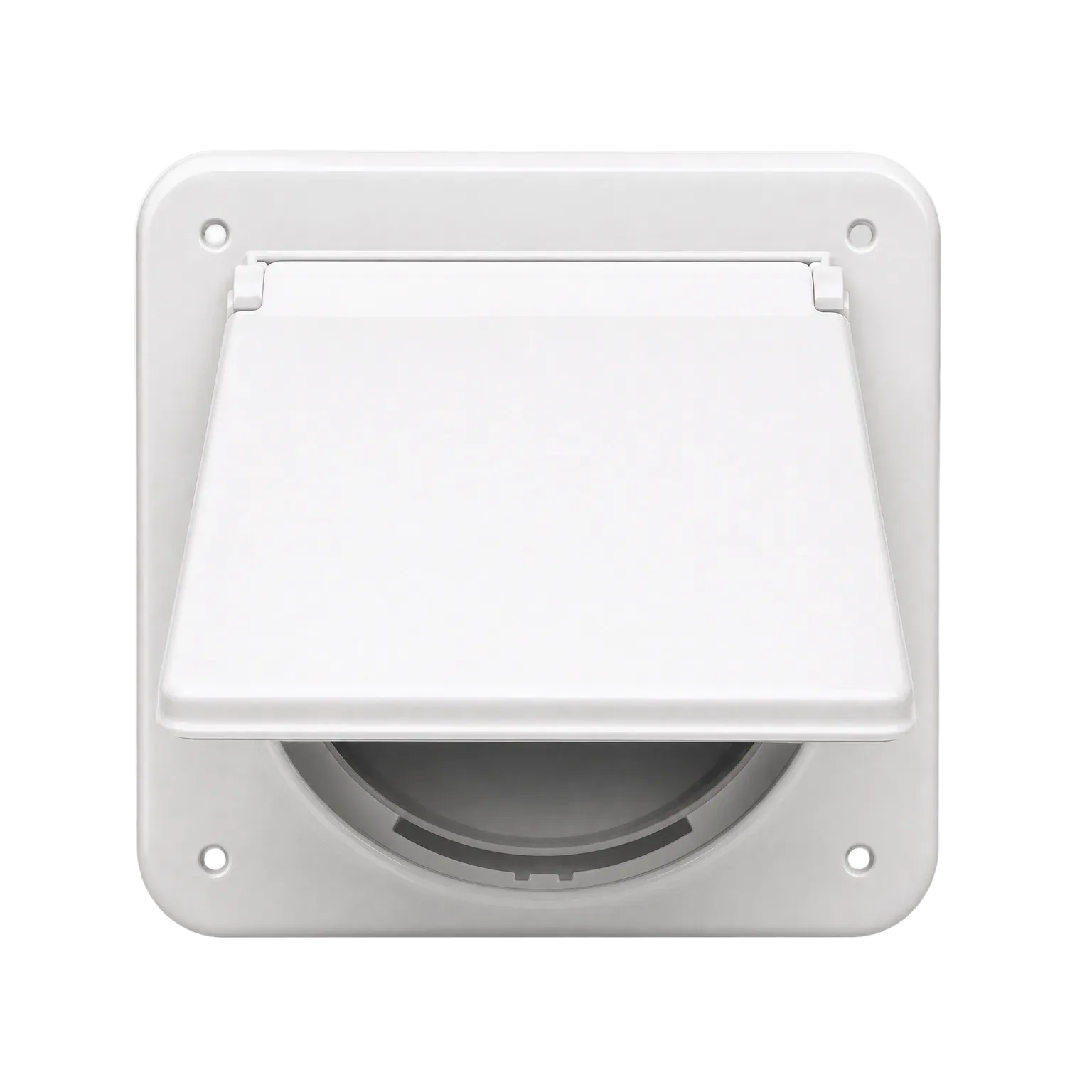
A white square plastic dryer vent hood with a hinged flap propped open, revealing a round duct opening, shown against a plain light gray background.
I'm done searching

A dryer that runs hot but leaves clothes damp almost always has a vent that is clogged, not a broken heating element. Heat is building up fine. It just has nowhere to push the moist air out, so the drum stays hot while the load stays wet or comes out only half dry after a full cycle. Lint packs into the duct over time, and here in Indiana, summer humidity adds to the load the vent has to move, since the air coming in is already heavier with moisture. A full or crushed vent run also makes the dryer work harder and run longer to get the same result, which shows up on your power bill even though power here is priced about average. If this has crept up over several loads rather than happened all at once, the vent is the place to look before anyone touches the heating element or thermostat.

A woman in a dark gray sweater reclines on a couch with her eyes closed and a knit blanket over her lap, an open book resting face-down in front of her, with a lit table lamp and shelving blurred in the background.
A bearded man in a dark navy sweater over a collared shirt smiles and looks off to the side while seated at a dinner table with a glass of red wine, a lit candle, and a plate of food in the foreground of a dimly lit room.

A gas burner or an electric coil makes the heat, and a blower moves it through the drum and out through the vent hose to the outside hood. That hose has one job on top of carrying heat: carrying out the moisture the dryer just pulled off your wet clothes. Lint builds up fastest right at the first bend in the run, and again right where the hose meets the hood outside. Once that spot narrows, the blower is still running and still pushing, so the drum keeps filling with heat the same as always. What changes is how much air gets out the other end. Less air escaping means less moisture leaving with it, and that moisture has nowhere to go but back onto the clothes still tumbling in the drum. If you go outside while the dryer runs and the hood flapper barely lifts or does not open all the way, that is buildup inside the duct holding it shut, not a worn-out hinge.

Where the air actually goes

  • A dryer heats with a gas burner or electric coil, then a blower pushes that hot air through the drum and out the vent.
  • Every cycle lifts moisture off wet clothes, and that moisture has to leave through the vent hose along with the hot air.
  • Lint collects fastest at the first bend in the vent run and at the point where the hose meets the outside hood.
  • If the vent is restricted, the blower keeps pushing air against the blockage, so the drum still fills with heat.
  • With less air actually escaping, the moisture it should be carrying out stays in the drum with the clothes.
  • A flapper on the outside vent hood that will not open fully when the dryer runs usually means buildup inside the duct.
A metal dryer vent hood mounted on beige horizontal lap siding, with gray lint clogging its open flap, above a lighter textured foundation wall.
Before you get your dryer vent cleaning
A white hooded exterior dryer vent with a mesh screen, screwed to light gray horizontal lap siding above a concrete foundation.
After you get your dryer vent cleaning

Let someone else find the pro

Skip calling around for someone who cleans dryer vents.

Sending the form costs nothing.

Why the lint trap isn't enough

The trap in the door catches most of the big lint, but not all of it. Finer lint rides the airflow past the trap and down the vent hose, where it sticks to the inside wall. Over time that coating narrows the hose until the blower is pushing hot, wet air through a much smaller opening. A dryer vented straight out through a short run clogs slower than one with a long run or several turns, but both fill in eventually.

What a clogged vent does to a load

When the vent narrows, the blower can't move enough air to carry the moisture out of the drum. The heat still builds, so the clothes come out hot to the touch, but the moist air has nowhere to go and settles back into the fabric. A load that normally finishes in one cycle starts needing a second or third run, and each extra cycle pushes more hot air against a vent that's already struggling to clear it.

A smiling man in a dark navy sweater sits on a light sofa in a living room, with a glass bowl of popcorn on a wooden coffee table and bookshelves behind him.
A smiling man in a dark green sweater sits on a tan leather sofa in a dimly lit living room, with a bowl of popcorn in the foreground and a kitchen area blurred behind him.
A smiling middle-aged man in a dark shirt sits on a gray sofa in a living room, with a bowl of popcorn on a side table and shelves, a window and kitchen area behind him.
A smiling bearded man in a dark gray t-shirt sits on a gray couch in a living room, with a large glass bowl of popcorn on a wooden table in the foreground.

Power costs 15.96 cents per kilowatt-hour statewide

At 15.96 cents per kilowatt-hour, an electric dryer fighting a clogged vent costs you more every time you run it, since it has to push air longer to get a load dry that still comes out damp. A clean vent gets the heat out in one cycle instead of two or three.

EIA-861 2025 statewide residential average

What's Actually Going On

  • A clogged vent, not a bad heating element, is almost always why the dryer runs hot but the clothes stay wet.
  • Fine lint rides past the trap and builds up inside the vent hose, where the trap never reaches.
  • A restricted vent forces the dryer to run the load twice or three times, raising what every cycle costs you.
  • Indiana's sticky summers add extra moisture to each load, which makes a narrowed vent fall even further behind.
  • Clearing the vent lets the moist air leave with the heat, so one cycle actually finishes the job.
  • Once the vent is clear, the dryer goes back to drying in one pass instead of fighting itself every load.

Hot dryer, wet clothes, and a heating element that works fine. The vent is the problem. Lint builds up past where the trap can catch it, the hose narrows, and the moist air from every load has nowhere to go. The heat stays in the drum, but the moisture rides along with it instead of leaving through the vent. That's why a load runs hot and still comes out damp.

Summers here add to the load. The extra moisture in the air means every cycle is pushing out more than usual, and a vent that's already narrowed falls further behind. A dryer that used to finish in one cycle starts needing two or three, and each one costs you at the meter whether the vent gets cleared or not.

None of this calls for a new heating element or a new dryer. It calls for a clear path for the air to leave through. Once that's done, the moisture goes with the heat the way it's supposed to, and the dryer stops working against itself.

What's left is finding someone who actually clears a vent properly, not just vacuums what they can reach from the outside. That usually means calling around, explaining the same problem more than once, and sorting through quotes that are hard to compare. Send the form instead, and that part is off your plate. A contractor takes it from there.

A metal hooded exterior vent cover mounted on dark gray horizontal lap siding, photographed at an angle along the wall.

One request and it's handed off

Answer a few questions about the dryer vent cleaning and skip the search.

Duct and vent cleaningIndiana
Step 1 of 3

What kind of equipment?








