

A vent that's clear
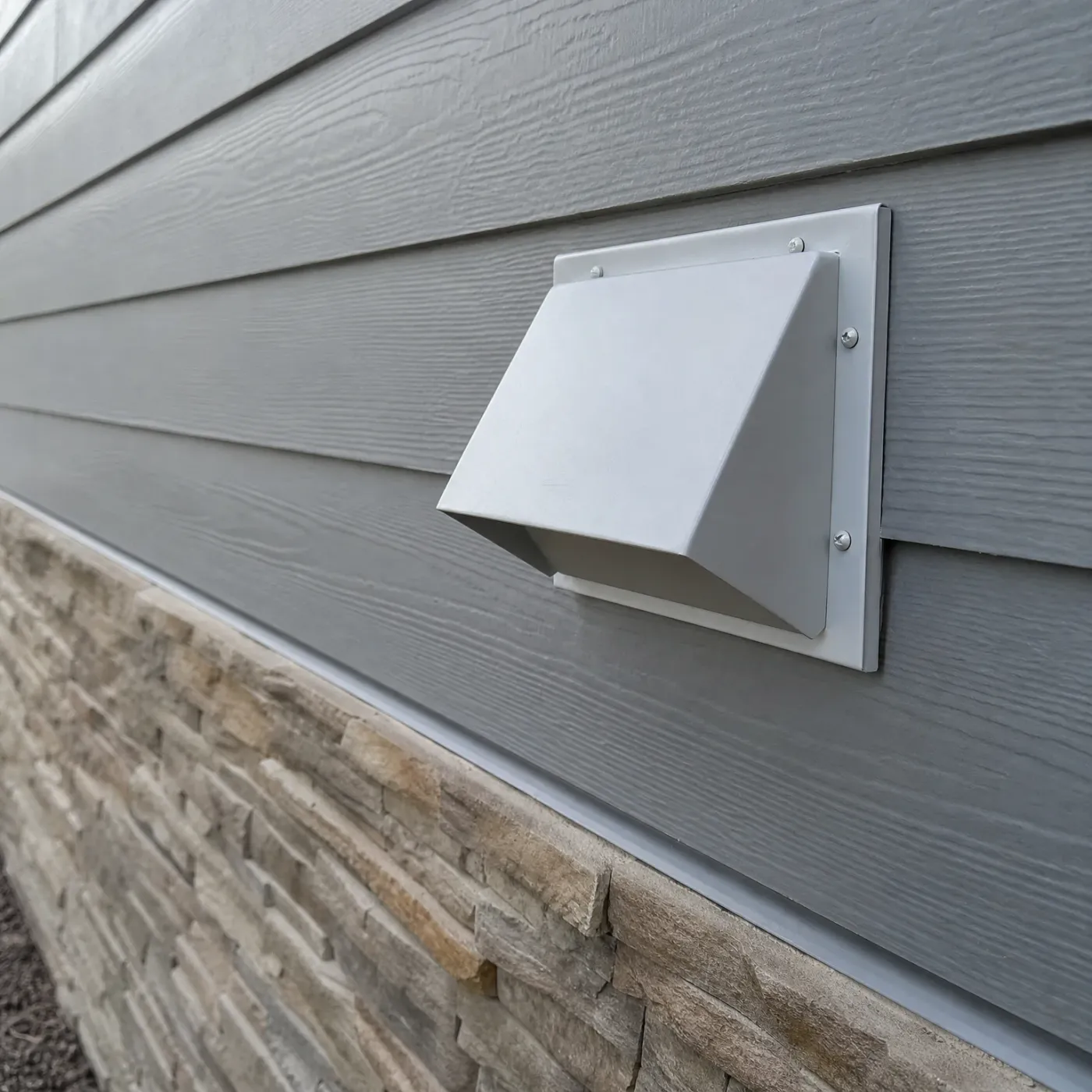
The hood cap sits flush on the siding and the duct behind it stays open. Air moves freely from the dryer to the outside with nothing in the way. This is what lets a load dry in one cycle.
A dryer that takes two or three cycles to dry a load, or runs hot to the touch, is telling you something about the vent. So is lint at the outside hood that barely moves when the dryer runs. South Bend summers get sticky and that humidity gives a blocked vent even less room to push air out. Finding out who actually handles vent cleaning in St. Joseph County usually means a string of calls, repeating the same description of the problem to each one, then weighing quotes that are hard to compare since nobody looked at the vent in person. This page skips that. One request connects you to a local contractor who works on vents like yours all year and knows what a blocked line in this area tends to look like, without a handful of companies competing for your callback. Tell them what you're seeing and let them take it from there.
You've noticed your dryer isn't quite acting right, maybe it takes longer than it used to, or the laundry room feels warmer than normal when it's running. You're not sure if that's just the machine getting older or something worth paying attention to. Before you call anyone, you want to know what to actually look for, so you can tell whether this is a real problem with the vent or nothing at all.
A clogged vent happens because lint builds up along the duct until air can't push through it anymore. The dryer still runs, but the moist air it's supposed to push outside has nowhere to go, so it sits in the drum and the clothes stay damp. That's why a load that used to take forty minutes can stretch to an hour or more. You may also notice the dryer itself running hotter than usual, or the outside hood flap barely lifting when you check it mid-cycle. In St. Joseph County's humid summers, that trapped moisture has less chance to escape on its own, so a blocked vent tends to show up faster here than it would somewhere dry.

Walk outside while the dryer runs and look at the vent hood. The flap should swing open and stay open with a steady stream of air behind it. If it barely lifts, or opens partway and falls back, the vent is restricted somewhere between the hood and the machine. A clear vent pushes air out with enough force to hold that flap open for the whole cycle.

The trap behind the dryer door only catches the lint that passes through it. A good share works past the trap and rides the airflow down the vent line, where it collects on bends, screws and the inside of the duct wall. That buildup narrows the path for air a little more with every load, which is why a vent can go from fine to blocked over a stretch of regular use.
2.44 people per household on average
A household here runs about 2.44 people on average, per the Census Bureau, which means more loads through the same vent run each week.
Half the homes here were built by 1968
Half the homes in St. Joseph County were built in 1968 or earlier, per the Census Bureau, often with longer or less direct duct runs to clear.
Power here costs 16.62 cents per kilowatt-hour
Electricity here runs 16.62 cents per kilowatt-hour, so a dryer working against a clogged vent adds real cost to your bill every cycle.
ACS 2020-2024 · EIA-861 2025




A house with a couple of people in it still means laundry most days of the week, towels, sheets, work clothes. Each load pushes more lint through the same vent run. Checking the hood outside once in a while tells you more than guessing at how many loads it's seen.
ACS 2020-2024
Lint builds up along the inside of the vent duct.
Airflow weakens, so damp air lingers in the drum longer.
The dryer runs hotter to push air through the blockage.
The outside hood flap opens weakly or stops lifting at all.


Your dryer vent cleaning request goes to one local pro.
Skip searching for someone who cleans dryer vents in St. Joseph County.
Sending the form costs nothing.

The hood cap sits flush on the siding and the duct behind it stays open. Air moves freely from the dryer to the outside with nothing in the way. This is what lets a load dry in one cycle.

Lint has built up around the hood and across the screen, narrowing the opening the air has to pass through. From outside, this looks like less airflow and more heat held in the duct behind it.
A dryer that needs two cycles, a hood flap that barely lifts, a laundry room that runs warm, these are the signs, and together they point to one thing: lint built up somewhere between the drum and the outside wall. You don't need to know exactly where it's sitting to know it needs to come out. What you do need is someone who can get into that duct run, clear it end to end, and tell you if the hood or the ductwork itself is part of the problem. A local contractor who cleans vents in St. Joseph County homes all year sees this same pattern often enough to know where lint tends to sit and what a weak hood flap usually means. You'll be matched with one contractor, not several, so you're not stuck fielding calls and comparing strangers. Check the hood yourself when the dryer's running. If the flap struggles or the air behind it feels weak, that's confirmation, not a mystery. The vent either moves air freely or it doesn't, and now you know which one yours is doing.

One form, no calling around