

The vent clear and working
The flap sits closed against the hood except when the dryer runs. Air pushes it open, the load dries, and the flap falls shut again. Nothing nests here because there's no still, quiet cavity for a bird to build in.
One request and the dryer vent cleaning stops waiting on you.
Hand it overA bird builds a nest in a dryer vent because the vent hood opening is a ready-made cavity, warm air drifts out of it, and the flap that is supposed to keep the outside out has come loose or won't seat right. Starlings and sparrows do this around Indianapolis in spring, packing the duct with twigs and grass right behind the hood. Once that nest is in there, your dryer has to push air through a space that's partly blocked, so clothes take longer to dry and the exhaust air, lint and all, has somewhere to collect instead of leaving the house. A blocked vent also means heat and moisture from the dryer build up in the duct itself, which is a fire risk. If your dryer is taking two cycles to do what one used to do, or you can hear chirping near the outside wall, a nest is a reasonable explanation. Clearing it out and fixing the flap is the fix, not just the removal.
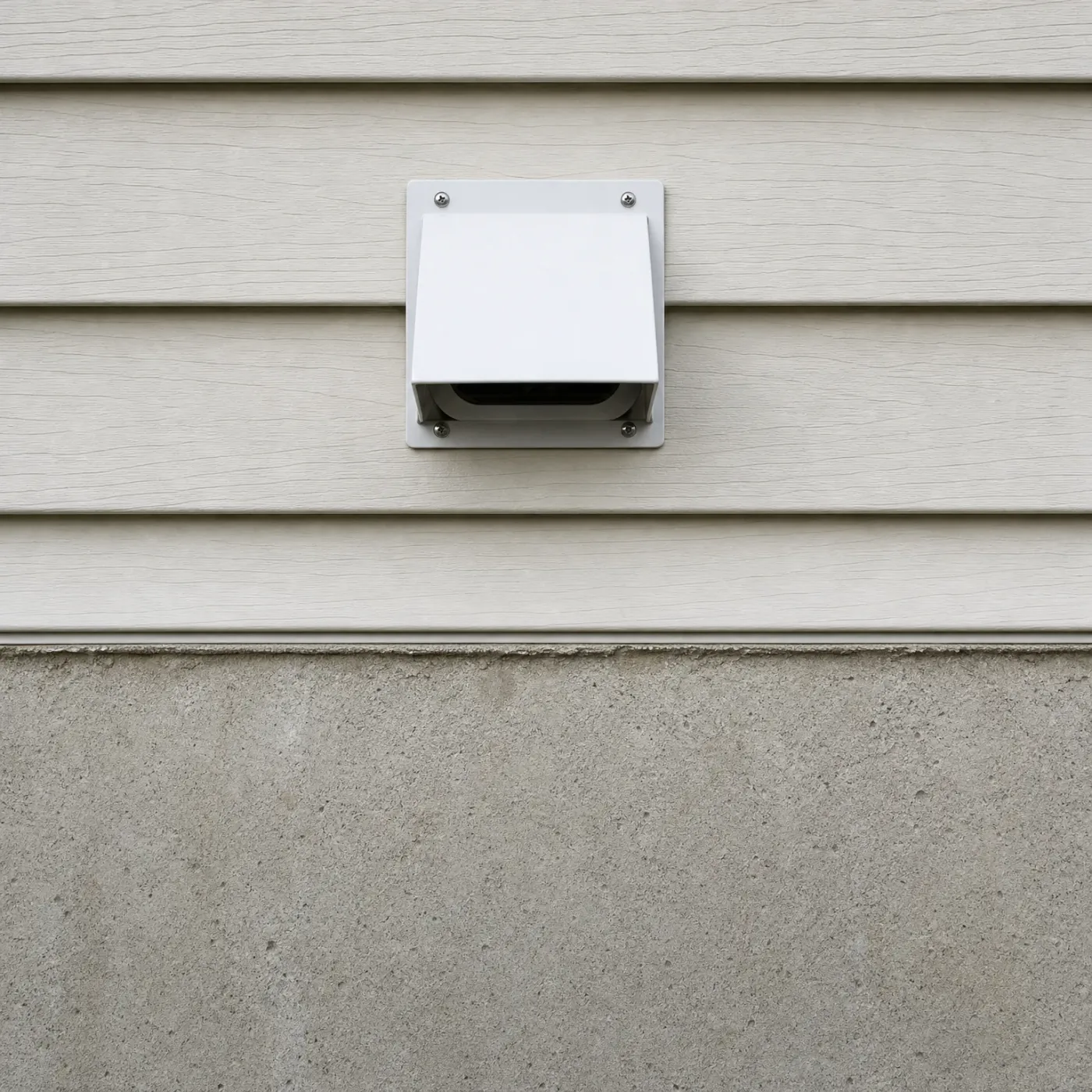
The flap sits closed against the hood except when the dryer runs. Air pushes it open, the load dries, and the flap falls shut again. Nothing nests here because there's no still, quiet cavity for a bird to build in.
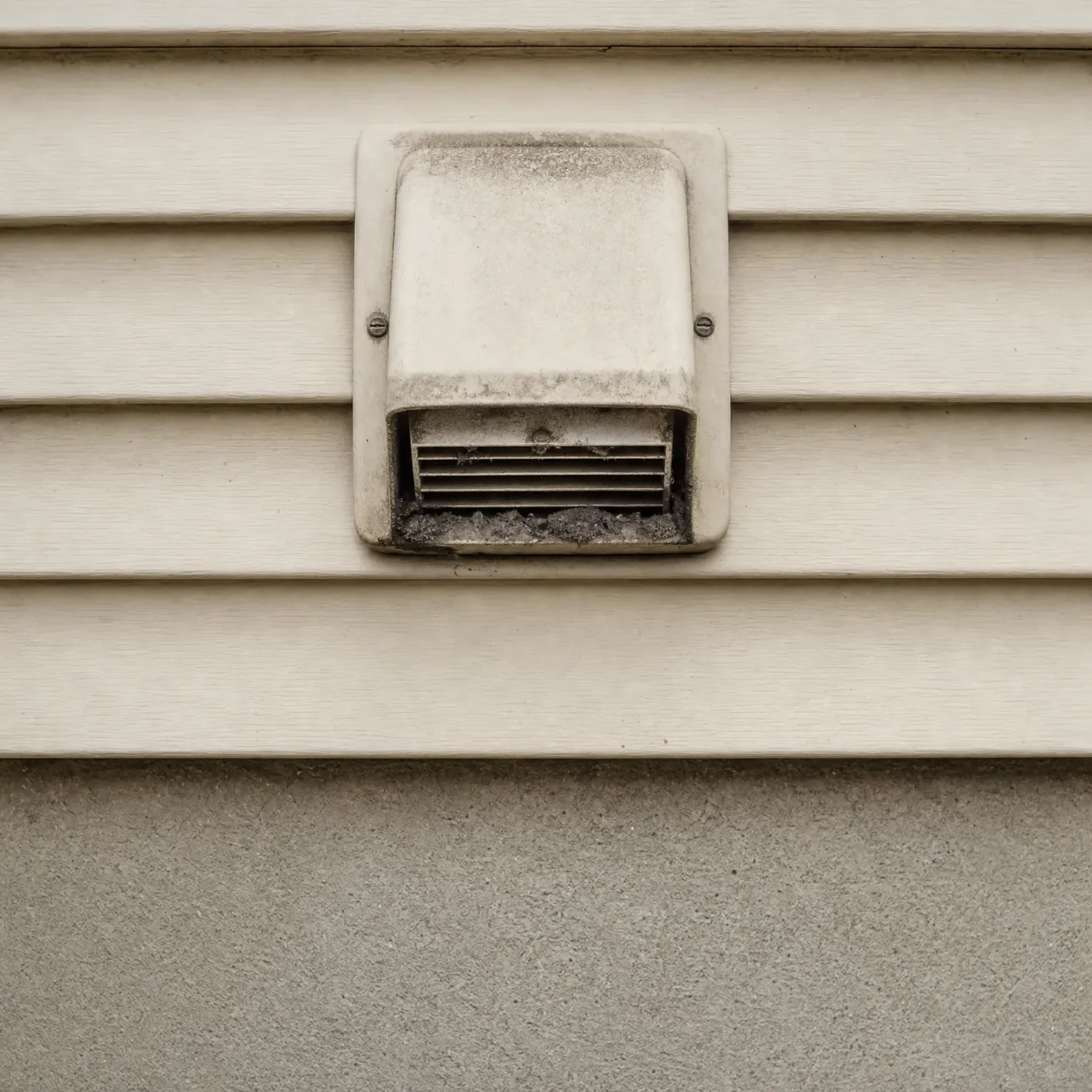
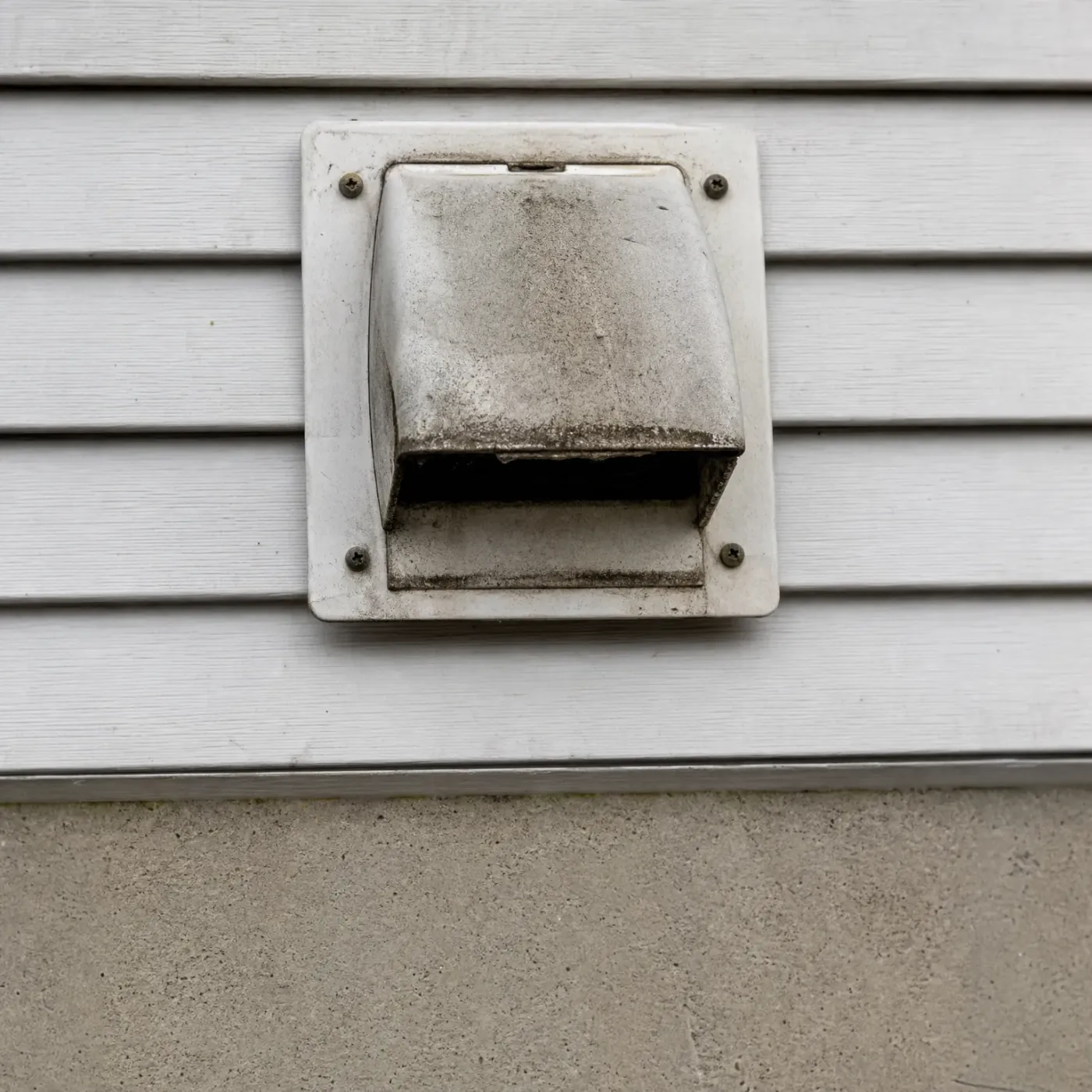
Lint and dust cake the louvers, and the flap can't seat shut anymore. That's the gap a starling or sparrow needs. Once nesting material packs the duct, the dryer's hot, wet air has nowhere to go but back into your laundry room.
2.4 people per household on average
2.4 people in the average Marion County household means a dryer running loads most days of the week, and every one of those runs pushes air past whatever's blocking the vent hood.
Half the homes here were built by 1973
Half the homes in Marion County went up in 1973 or earlier, old enough that the vent hood and its flap have likely been swapped out, bent, or never fit quite right to begin with.
Power here costs 14.77 cents per kilowatt-hour
At 14.77 cents per kilowatt-hour, power here runs close to average, but a dryer fighting a blocked vent still pulls that power longer to get a load dry.
ACS 2020-2024 · EIA-861 2025
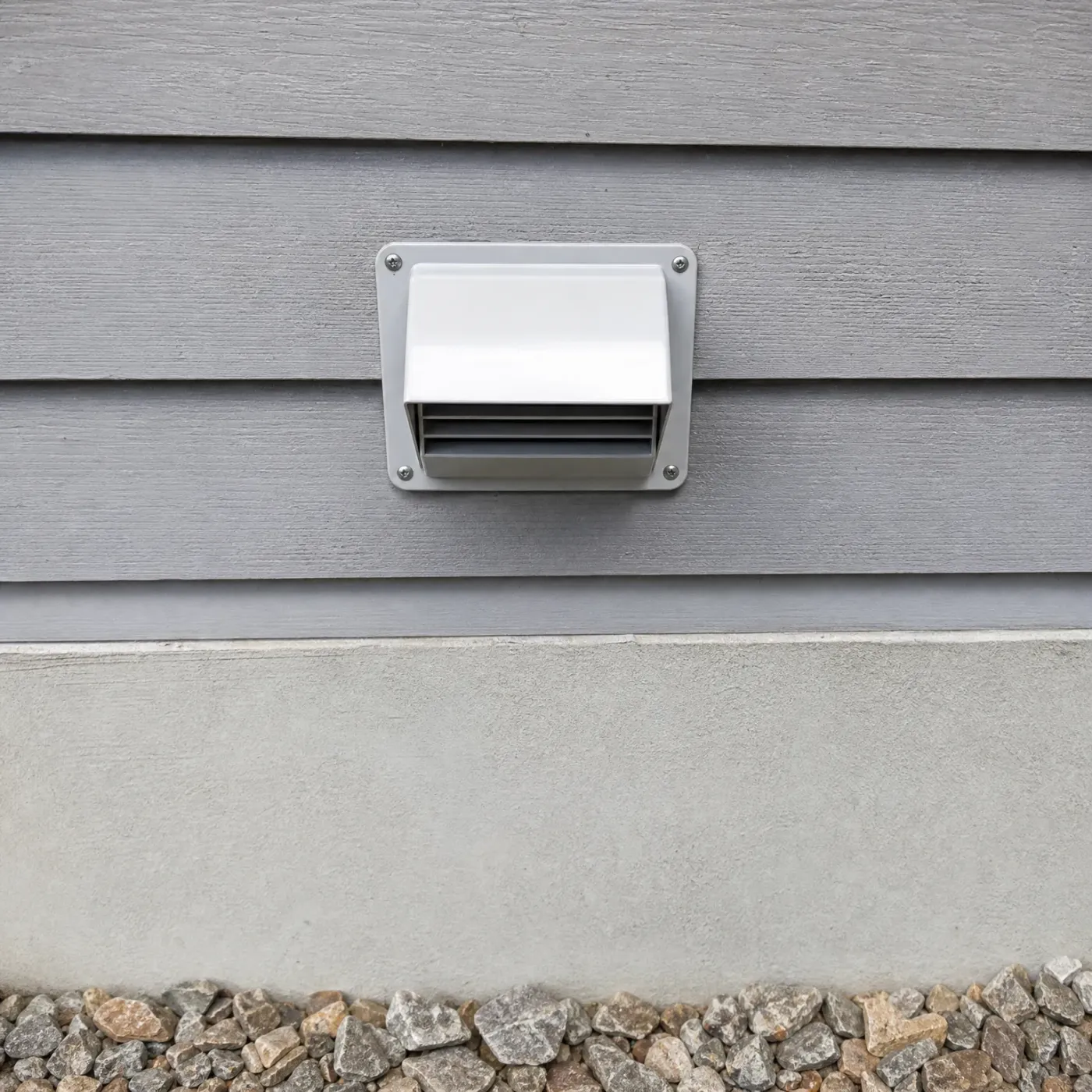
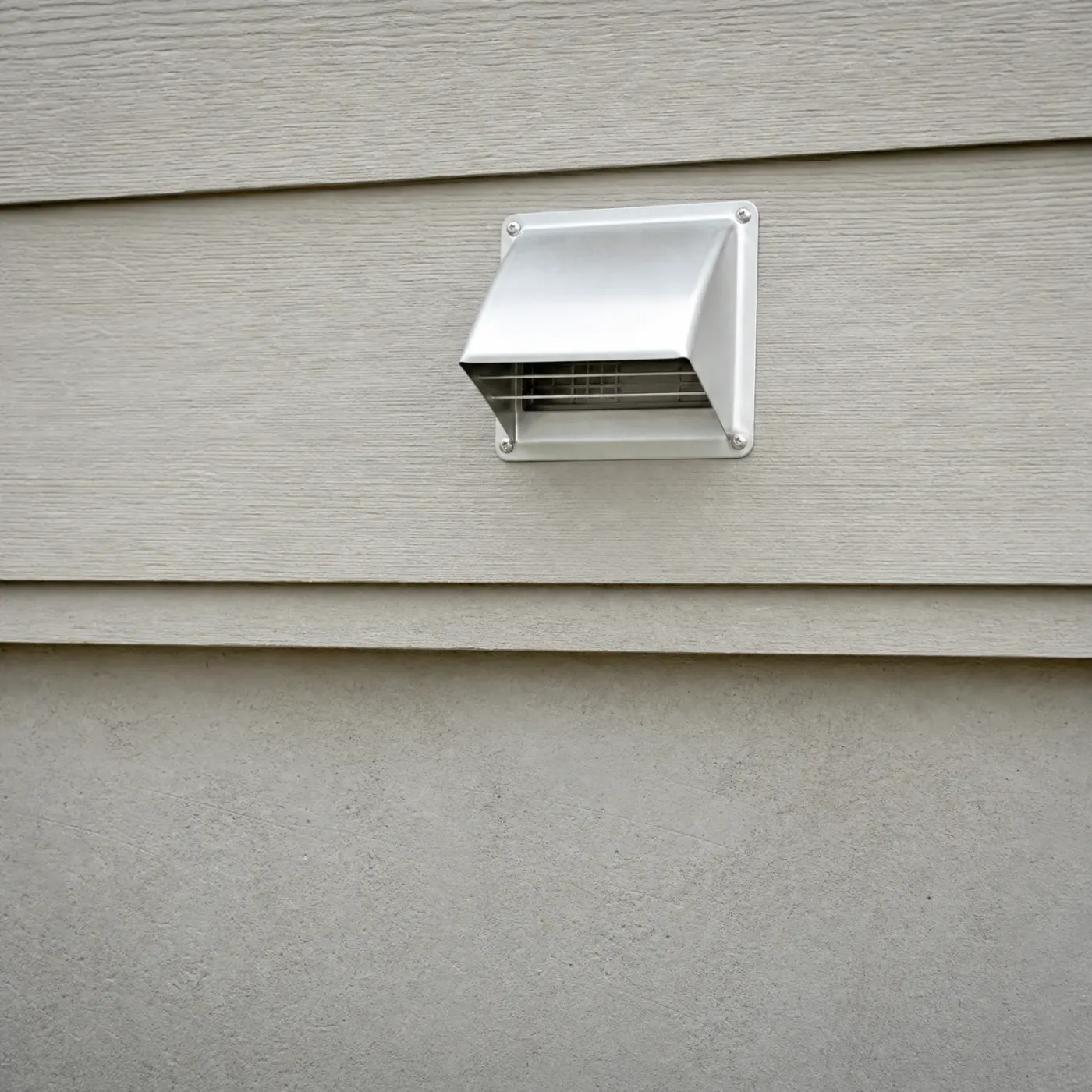
This is what the hood should look like. The louvers sit clean, the screws are tight at the corners, and the opening stays clear so air moves through without a fight. Nothing about it invites a bird to stop and build.
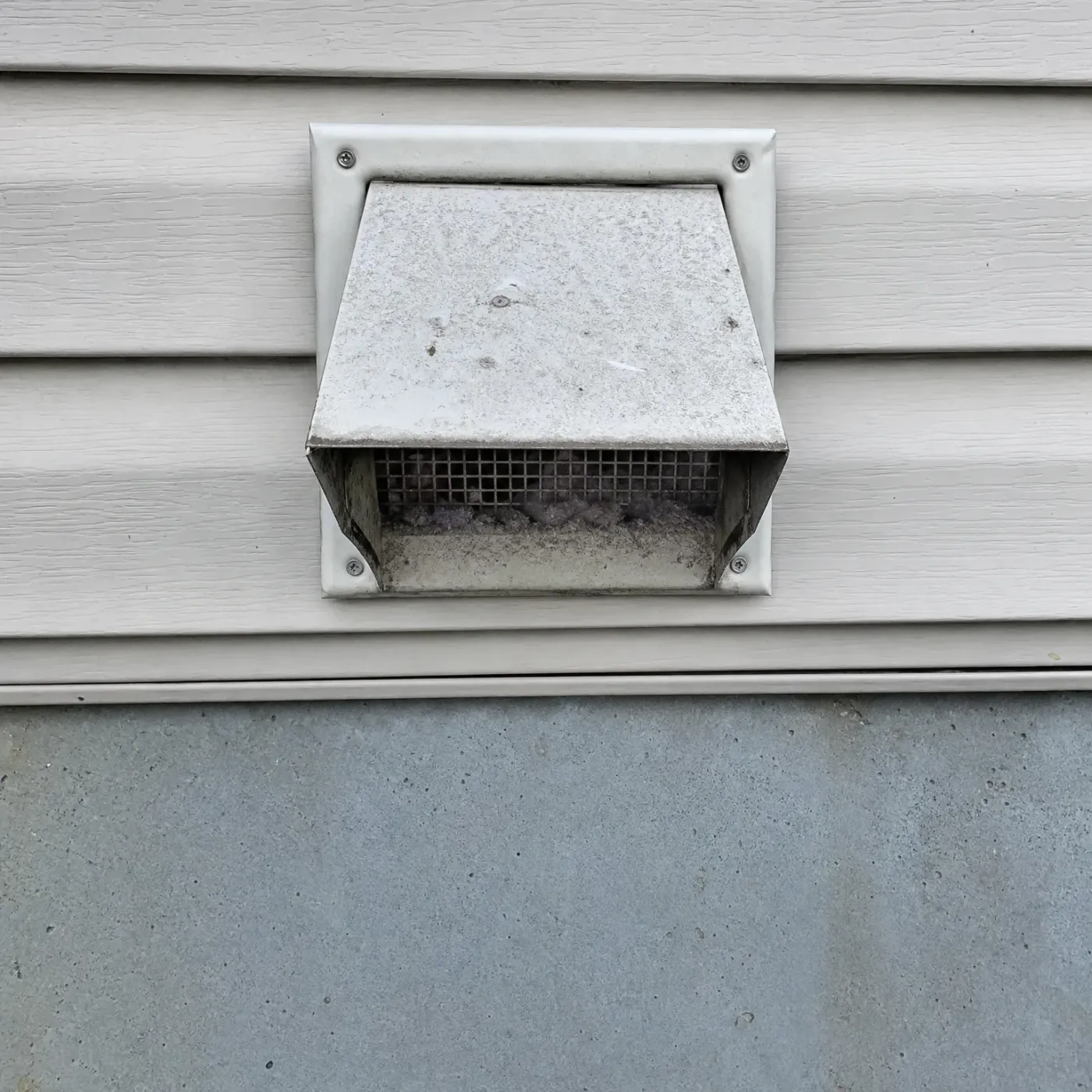
This hood is coated thick enough to block the mesh. Lint built up this way slows the air leaving the dryer, and a slower, weaker airflow is easier for a bird to push past and nest behind. A clear hood doesn't get to this point.
A nest in the vent cuts down the opening a dryer needs to push air outside. You'll notice a load that used to take forty minutes now needs two cycles, or the top of the dryer feels hotter than usual partway through. Some houses pick up a smell, straw and feathers warming against the drum's heat, especially right after a nest goes in during spring. You might hear a faint scratching from the vent line when the dryer first kicks on. Left alone, the blocked line makes the dryer work harder every single run, and lint that can't clear the vent sits closer to the heating element than it should.
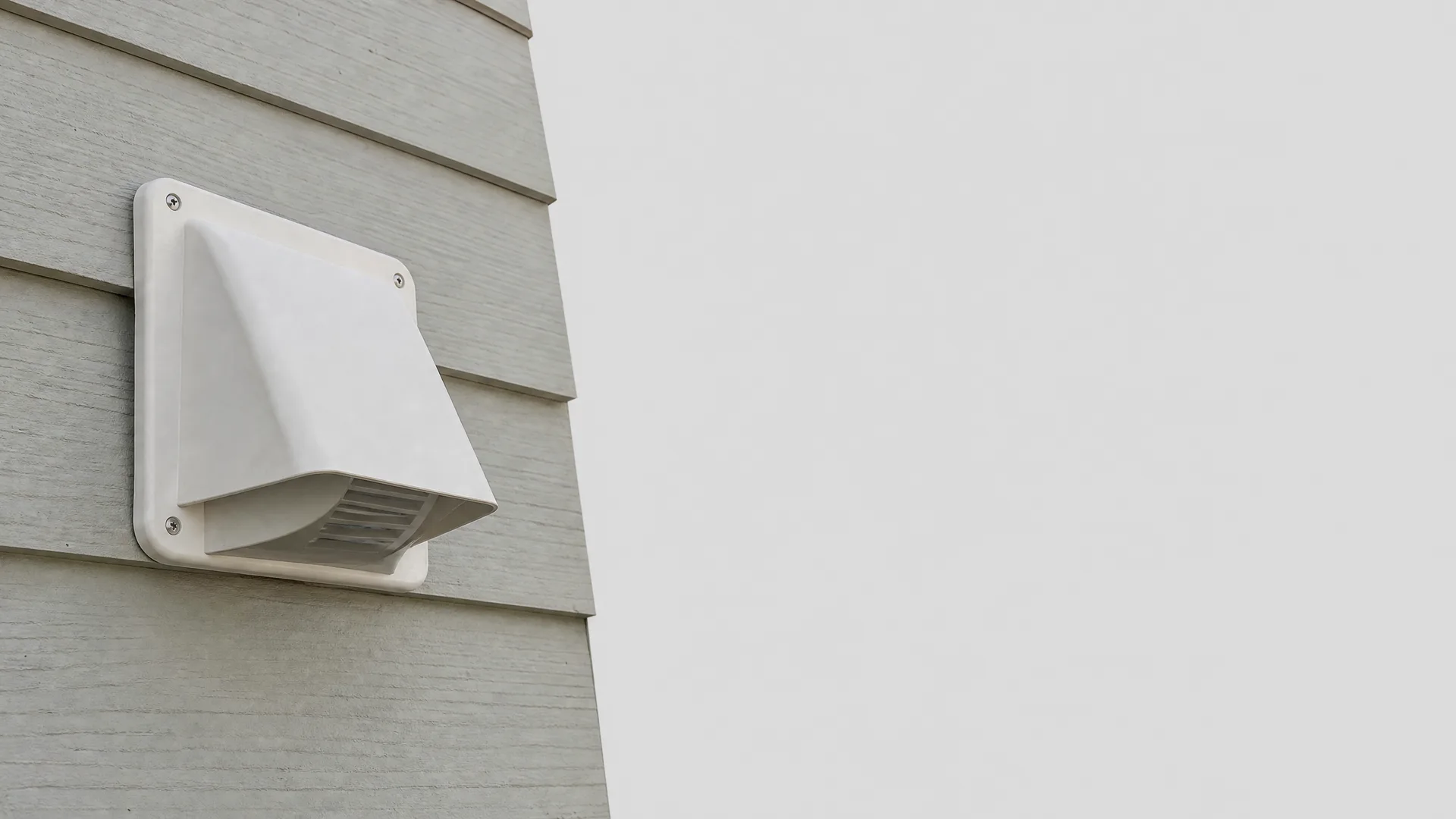
Sparrows and starlings start looking for cavities in March and April, right when a vent that sat idle over a mild stretch gives them a few quiet days to work with. A bird can carry in enough twigs and grass to block a 4 inch vent in a day or two. By the time the dryer runs again, the nest is already built around the duct and hard to clear without taking the hood apart.
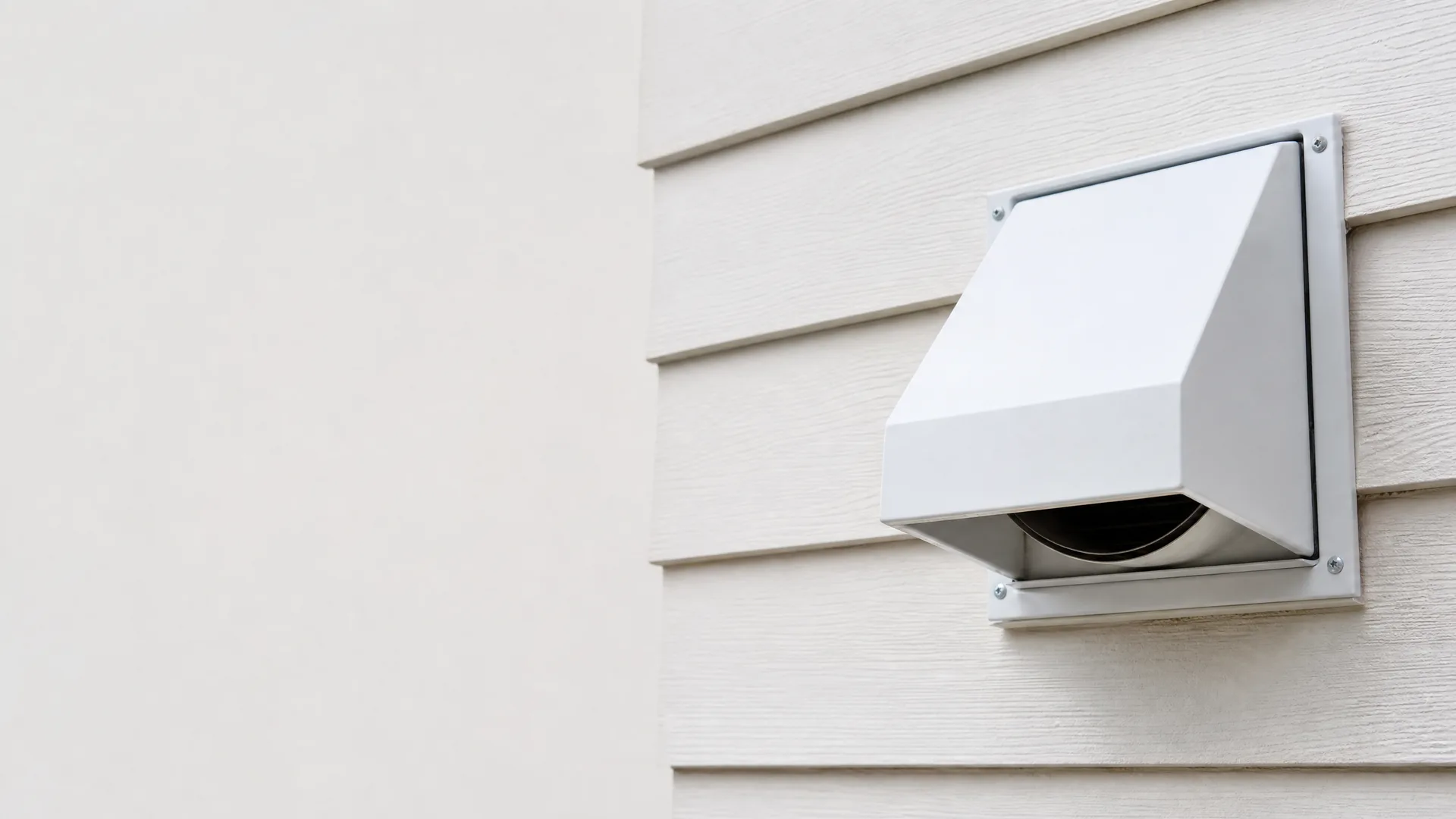
A dryer pushes hot, damp air out through the vent on every cycle. When a nest cuts off that path, the moisture has nowhere to go, so it backs up into the duct and the drum. The motor keeps running the same length of time either way, which means it's working against a blockage instead of moving air freely, and that's what drives the longer dry times and the heat buildup at the top of the machine.




Skip searching for someone who cleans dryer vents in Marion County.
You're not committing to anything by asking.
If you spot the nest before eggs show up, some homeowners just wait it out. Starlings and sparrows build fast, and once the birds move on for the season the vent can be cleared without disturbing anything living. The trouble is you can't always tell from outside whether there are eggs or chicks in there, and migratory birds are protected, so pulling an active nest isn't something to do without checking first. Meanwhile the dryer keeps venting into a blocked line the whole time you wait.
Getting the nest out right away means the dryer vents properly again and the fire risk from trapped lint sitting against twigs and grass goes away. It also means dealing with a vent that may still have a bird coming back to check on it, which complicates the job. If the nest turns out to be active, removal has to wait anyway. Acting now is the safer long-term call, but it isn't always the simpler one in the moment.


A short dry spell doesn't mean the nest is gone. Birds often sit on eggs for two weeks before anything hatches, so a vent that looks quiet in April can still have a family in it come May.
Once the nestlings are gone, the twigs and grass stay behind. A dryer vent doesn't clean itself, and that material keeps blocking airflow until someone physically pulls it out.
At 2.4 people, most homes here are running a load of laundry most days, not once a week. That's a lot of warm air pushing through the vent hood, and a lot of chances for a loose flap to let a bird in before anyone notices.
ACS 2020-2024
A bird carries twigs and grass into the vent hood opening
The nest packs tight against the flap or just past it
Warm moist air backs up behind the blockage every time the dryer runs
A contractor opens the line and pulls the nest out in pieces

A nest in your vent stays there until something pulls it out. The twigs and grass pack tight against the flap, the dryer keeps pushing warm air into a line that can't carry it away, and every load takes longer than it should. That's the whole problem, plain as it is.
Clearing it means someone who can get into the duct, not just the first few feet from the hood. Once it's done you won't have to think about it again until next spring. You also won't have to spend an afternoon calling around Marion County, explaining the same thing to three different companies, and trying to tell which quote is fair. Send the form once and that part is off your plate.


One request and it's handed off