Profile view of a bearded man wearing a dark baseball cap and a dark gray T-shirt against a plain off-white background.

Birds nesting in a dryer vent in Indiana

Duct and vent cleaningIndiana
Step 1 of 3

What kind of equipment?

Why do birds keep nesting in my dryer vent?

You keep finding this out the hard way, maybe after the dryer stopped drying well or you noticed chirping when the machine runs. It feels like it should be a one-time fix, but the birds come back. In Indiana, that pattern has a reason, and knowing it tells you what actually needs to change, not just what needs to be cleared out.

The vent flap isn't sealing, and birds treat the warm opening as shelter

A dryer vent opens to the outside, and most have a flap or louver meant to keep it shut when the dryer isn't running. Once that flap bends, sticks, or loses its spring, the vent stays open a crack, and that's enough for a bird to get in. Warm air comes out every time you dry a load, which makes the opening more appealing than a cold gap in the siding. Spring is when nesting starts in Indiana, so a vent that's been propped open all winter is already an easy target by the time birds are building. Lint buildup inside gives them something soft to nest in, which is part of why the problem tends to repeat at the same vent once it starts.

A white hooded exterior vent cover with a screened lower opening, screwed to beige horizontal lap siding above a concrete foundation.

Vent flap moving freely

The hood sits flush against the siding and the louvers swing open when the dryer runs, then fall shut after. Air and lint pass straight out. Nothing nests here because nothing can get a foothold, and the flap keeps moving the way it was built to.


A hooded dryer vent mounted on beige lap siding, with gray lint buildup packed in and hanging from its louvered opening.

Vent packed with lint and nest

The louvers hang open, jammed by lint built up behind a nest. Air can't push past it, so your dryer runs longer and the exhaust backs up into the duct. This is the fire hazard every Indiana homeowner is warned about, sitting right at the wall.

Clean Vent or Nest Blocking It

Clean and screened

  • A guard with a tight mesh keeps birds out while still letting lint and moist air escape with every load.
  • The vent cover sits flush and the flap opens and closes on its own, so nothing has a ledge to land on or build from.
  • Airflow stays clear through the duct, so the dryer runs its full cycle instead of working against a blockage.
  • A technician checks the length of the vent run during cleaning, since nests often sit further back than the hood.
  • Lint that built up around an old nest gets pulled out instead of left to dry and pack tighter each load.
  • Checking the vent once a year, especially before nesting season starts in spring, keeps a new nest from taking hold.

Blocked by a nest

  • A dryer that takes two or three cycles to dry a load is often pushing air against sticks and feathers instead of outside.
  • Lint packed around a nest holds moisture against the vent hood, and in Indiana's humid summers that means mold and a sour smell.
  • Hot, damp air with nowhere to go backs up into the duct, and that heat has to go somewhere, often into the wall around it.
  • A flap that won't close all the way leaves the duct open to the next bird looking for a place to nest.
  • Chirping or scratching sounds when the dryer runs mean something is living in the vent, not just blocking it.
  • A clogged vent makes the dryer run longer on gas or electricity to finish the same load, since it's fighting the blockage the whole time.
A white hooded exhaust vent with a louvered opening mounted on white horizontal lap siding, with blank white space at right.

Why spring is prime time

Sparrows and starlings look for a tight, dark space to build in, and a dryer vent gives them walls on every side and shelter from weather. In Indiana, nesting activity picks up in spring as birds pair off and start building, and a vent hood with a stuck or missing flap looks like any other cavity to a bird checking it out. Once twigs and grass are packed in, the dryer has to push air through less opening, and lint catches on every bit of nesting material that passes.

A metal hooded exterior vent cover screwed to beige horizontal lap siding, next to a plain white wall corner.

What a blocked vent does

A dryer vent only works if air can move the full distance to the outside. Nesting material narrows that path, so the dryer runs longer to dry the same load, and the motor and heating element work harder than they should. Lint that would normally blow outside starts collecting behind the blockage instead, inside the duct, which is where it becomes a fire risk rather than a nuisance. The chirping you hear when you run a load is the clearest sign something alive is in there.

Power costs 15.96 cents per kilowatt-hour statewide

A blocked vent makes the dryer run longer to finish the same load, and at 15.96 cents per kilowatt-hour that extra time shows up on your bill. Clearing the nest and fitting a guard gets the vent back to pushing air out in one pass instead of three.

EIA-861 2025 statewide residential average

A woman in a cream cowl-neck sweater stands in a lamp-lit room looking out a window at a snow-covered yard with shrubs and bare trees at dusk.
A woman in a gray turtleneck sweater stands near a large window in a lamp-lit living room, looking out at falling snow and snow-covered conifers.
A woman in a chunky knit sweater stands by a large window looking out at snow-covered ground, with a dimly lit living room containing a gray sofa, framed artwork, shelves and table lamps behind her.
A woman in a gray turtleneck sweater stands in a dimly lit living room with a lamp and bookshelves, looking out a multi-pane window at falling snow.
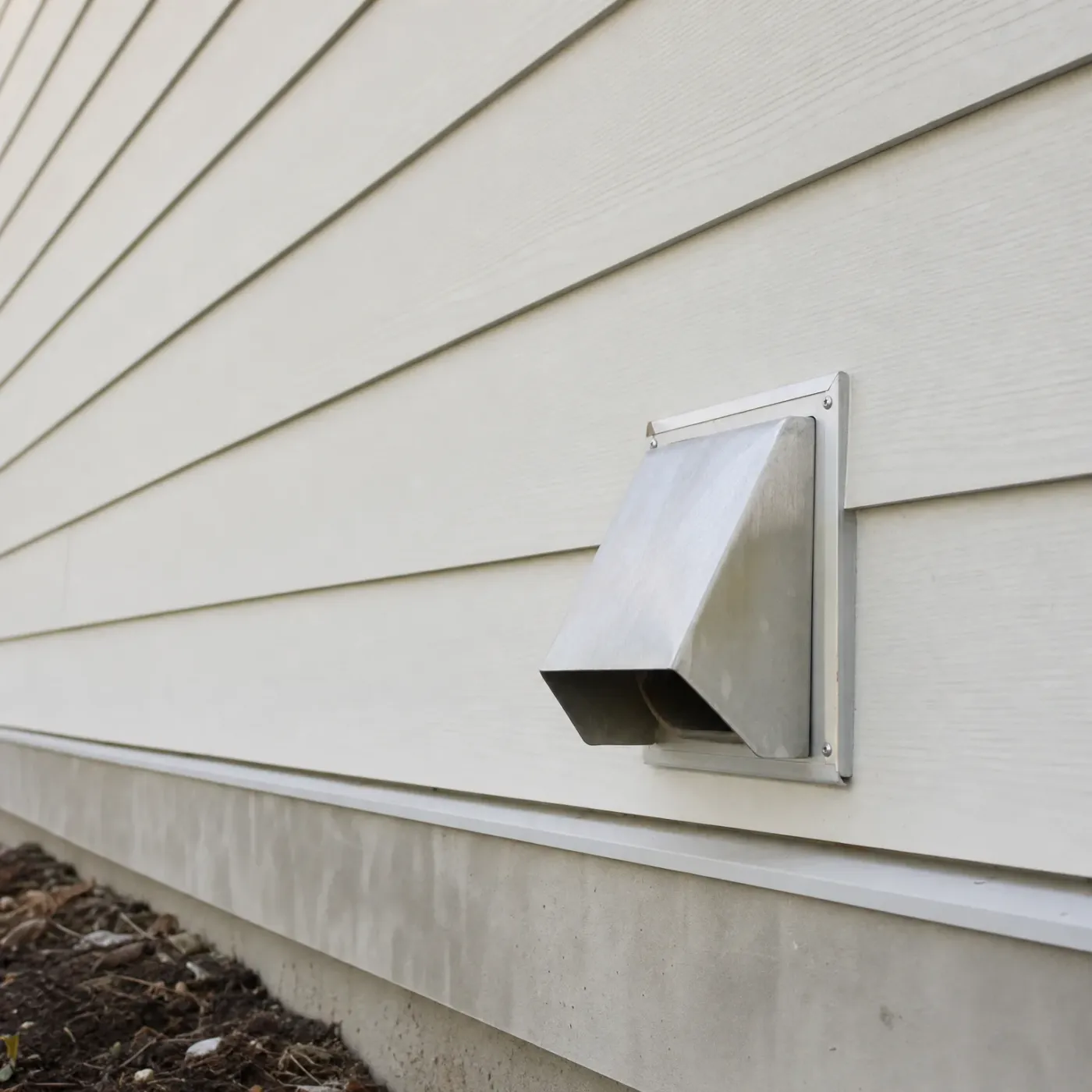
A metal hooded dryer vent mounted on cream-colored horizontal lap siding above a concrete foundation, with bare soil at the lower left.

Get your dryer vent to the right pro

Describe your dryer vent job once, to one pro.

Your dryer vent cleaning request goes to a local pro who does this work.

Connect with a pro

No charge to send it. You decide if you hire them.

What's actually going on in your laundry room right now

Start the dryer and listen. A thump at the start of the cycle, then scratching or chirping that comes and goes with the drum, means something is back there. Towels that used to dry in one cycle now need two. The laundry room feels warmer than it should, and the outside hood louvers don't swing shut all the way, or don't move at all. Check outside too: twigs or grass poking out from under the vent cover is the clearest sign. Left alone, the blockage traps lint behind the nest, and lint is what dryer fires start with. That's the real risk, not just a slower load.

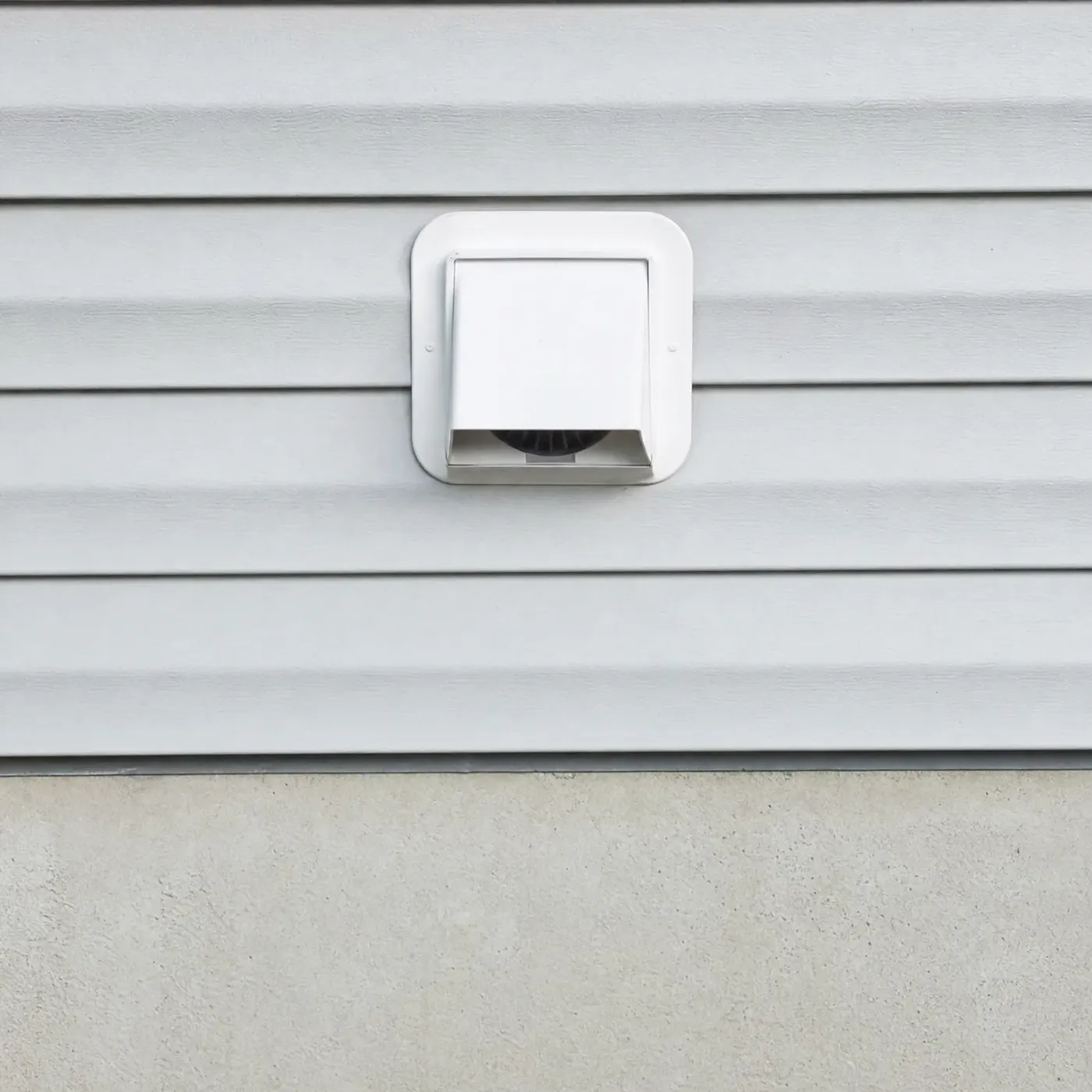
A white square dryer vent hood with a hinged flap mounted on light gray horizontal siding above a concrete foundation wall.

Open and clear

The hood sits tight against the siding and the flap hangs loose at the bottom. Warm air pushes it open when the dryer runs and it falls shut after. Nothing is piled around the opening, so the flap has room to swing every time.

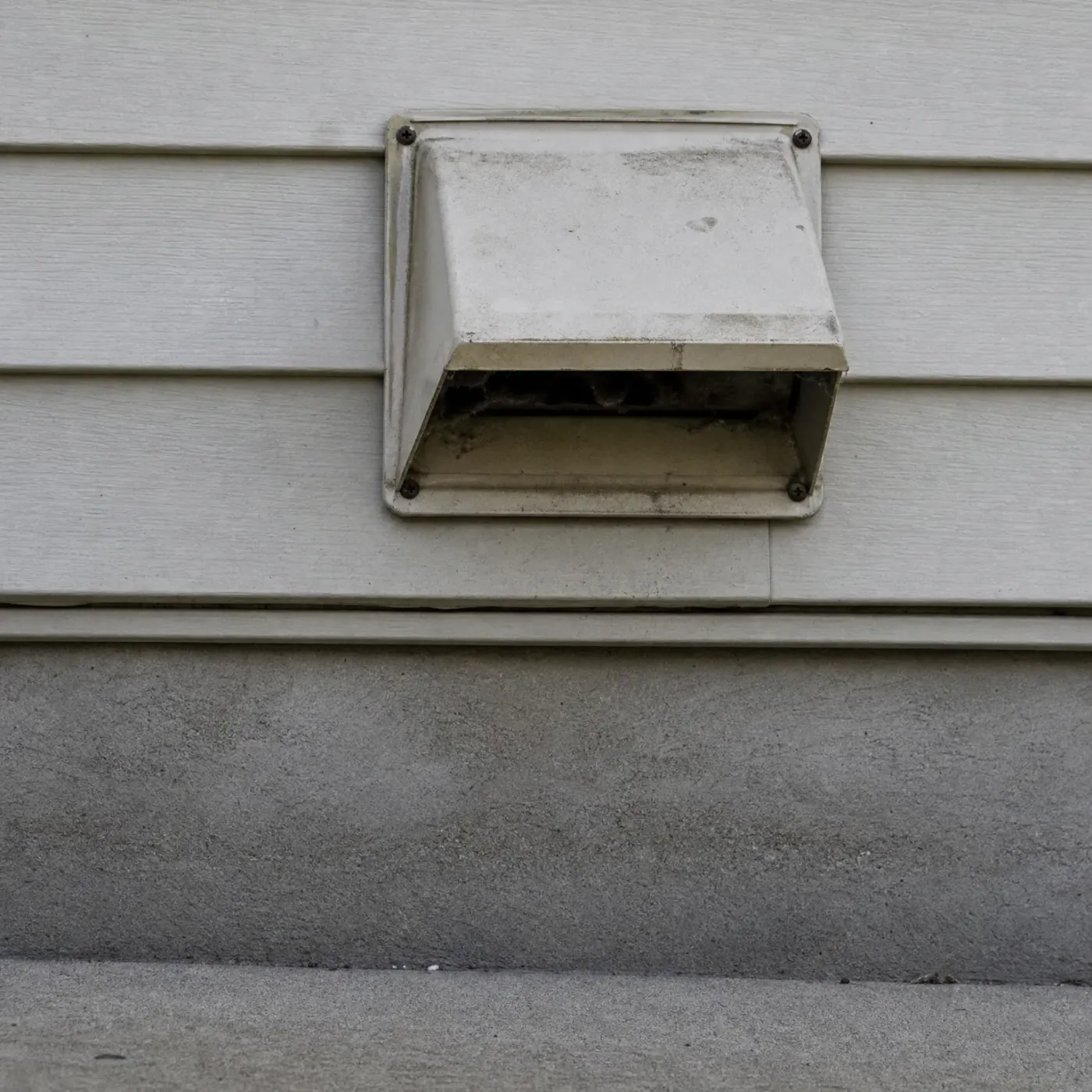
A white plastic hooded dryer vent screwed into light gray horizontal lap siding above a concrete foundation wall, with lint and dirt visible inside the vent opening.

Clogged and held open

Lint and nest material have built up around the opening and the flap cannot sit flush anymore. Debris like this gives birds something to grip and build on, and it blocks the dryer from pushing air out the way it should.

A woman in a gray sweater and jeans stands in an open wood front door of a white stucco house while a man in a dark jacket walks toward her on the entry path.

Clear the vent, keep the birds out

A dryer vent with a nest in it won't fix itself, and a cover bent back open won't hold a bird out twice. The lint has to come out, the hood has to sit right, and the guard has to be one a bird can't force. That's the whole job, start to finish.

You don't have to find who does that kind of work in your part of Indiana, or call a few of them and explain the chirping and the long dry times all over again. Answer a few questions about your vent and a contractor who handles this gets matched to you and reaches out. No comparing quotes, no repeating yourself to the next person on the list.

A speckled beige ceramic vase holding thin dried branches sits on a round wooden table near a window with sheer curtains, with a dark upholstered chair and draped blanket blurred in the background.
A bearded man in a plaid flannel shirt looks out a window at snow-covered conifer trees, with a steaming ceramic mug on the sill and wooden shelves holding dishes and a plant behind him.
A bearded man in a dark t-shirt sits on a light sofa, smiling and looking down toward a laptop screen visible at the bottom edge of the frame, with a blurred living space behind him.

The right pro for this job

A nest in the vent means a dryer that runs longer and a fire risk that doesn't go away on its own. Someone has to pull the lint and the nest out, fit a guard that actually keeps birds from getting back in, and make sure the flap still swings free when it's done. Skip the hunting for a contractor, the calls, and repeating yourself to each one. Answer a few questions here and get matched with someone who handles this kind of job in Indiana, and they'll reach out to you directly.

Find a pro near me

Fill out one short form instead of calling around.

There's no charge for the request.