

Birds nesting in a dryer vent in Carmel, IN

Your request goes to a Hamilton County pro who takes dryer vent jobs.

Get matched

A bird in your dryer vent usually means a nest, built by a sparrow or starling that found the vent hood's flap propped open or broken and decided it was a good, warm spot to raise a brood. It happens most in spring, when birds are looking for nesting sites, and a vent that already has lint or a stuck flap is an easy choice. Once a nest is in there, the vent is partly or fully blocked, so your dryer takes longer to dry a load and pushes hot, damp air back into the room instead of outside. Blocked lint has nowhere to go, and that buildup near a heat source is a fire risk. If you hear scratching, chirping or rustling near the vent, or your dryer is running hotter and longer than it used to, there's likely a nest or debris in the line. It needs to come out, and the vent needs a cap or guard that keeps birds from getting back in.

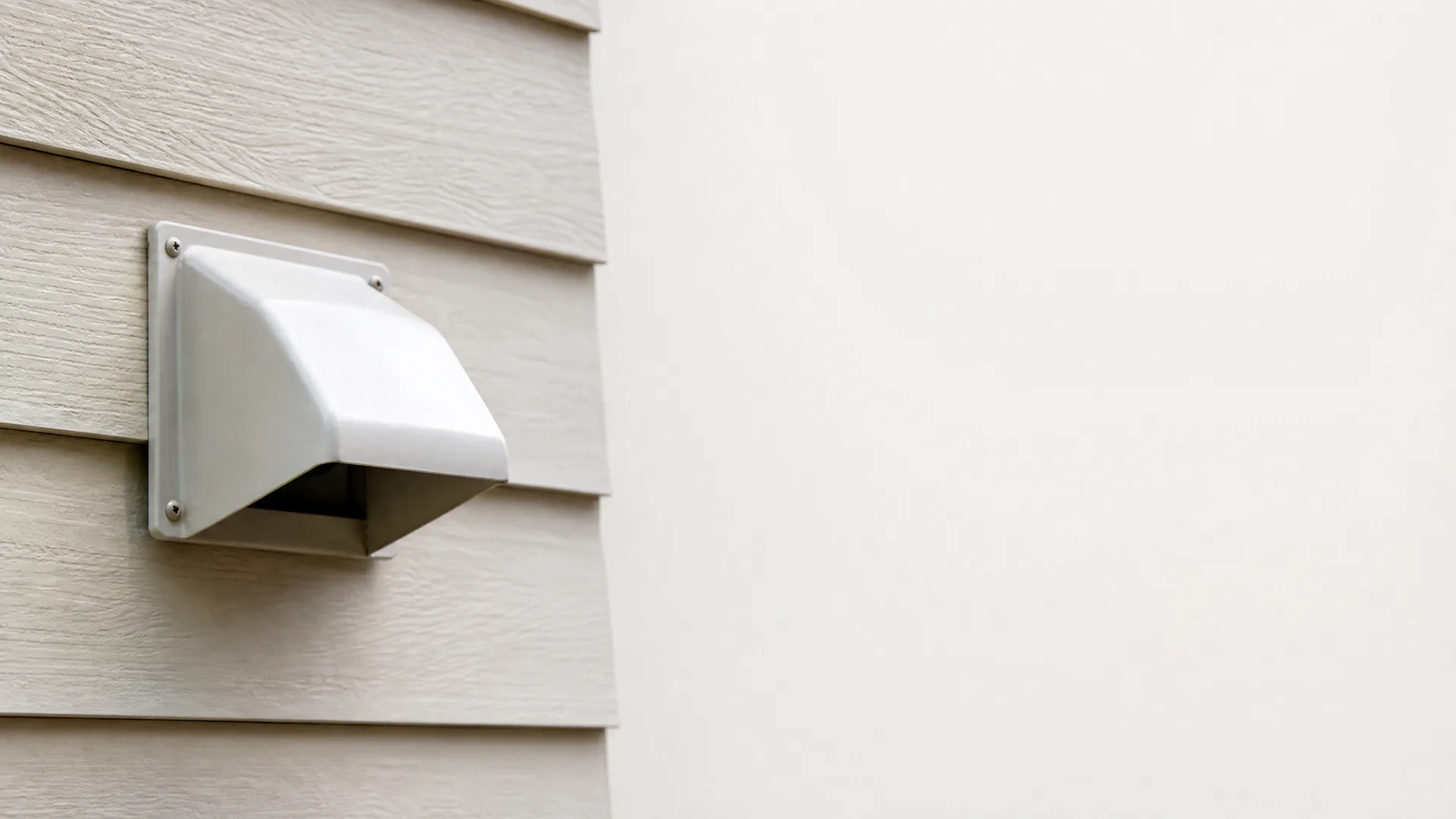
A white plastic hooded dryer vent cover mounted with screws on beige horizontal lap siding, next to a plain pale wall surface.

Why the flap matters

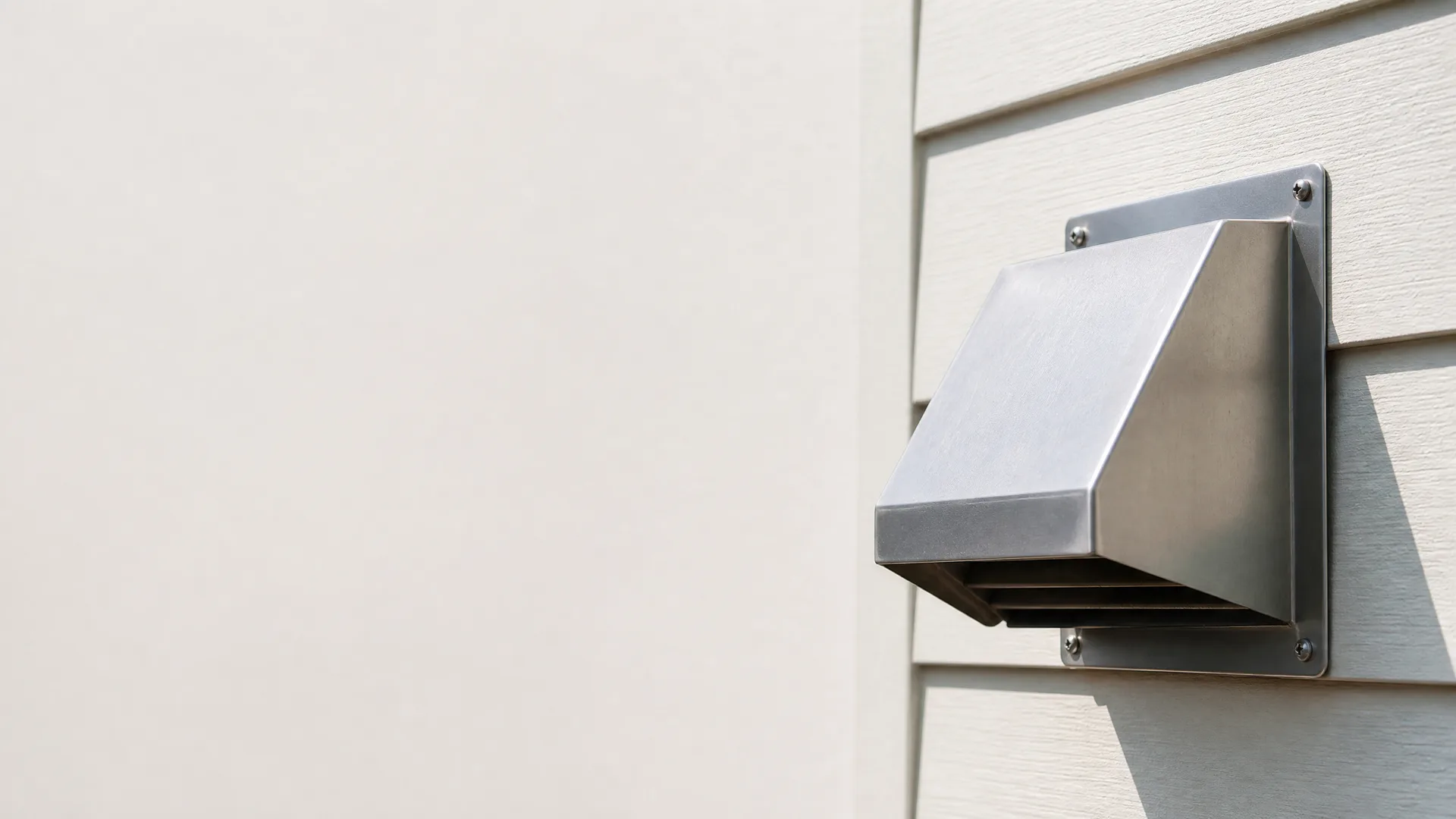
The vent hood flap is supposed to swing open only when the dryer is running and pushing air out, then fall shut. A bird can work a stuck or weak flap loose from outside, and once it's in, the warm, sheltered duct behind it looks like a good place to build. A flap that hangs open a crack, even an inch, is enough room for a sparrow to get through.

A metal louvered exterior vent hood screwed to a beige horizontal lap siding wall, with a blank light-colored surface filling the left half of the frame.

What a blocked vent does

A dryer vent packed with nesting material cannot move air the way it needs to. Lint and heat build up inside the duct instead of venting outside, and the dryer has to work harder to push air through, which shows up as longer drying times. A blocked vent is also a known cause of dryer fires, which is why most fire departments list vent cleaning as basic upkeep, not optional.

How do I know if it's actually a bird nest and not just lint?

A homeowner near Carmel notices the dryer is taking longer than usual to dry clothes, or hears a scratching or chirping sound from the vent, and isn't sure if what's blocking it is just a heavy buildup of lint or something a bird built.

Lint builds up gradually and sits loose. A nest comes in fast and packs the duct tight.

Lint collects in soft, even layers, and a dryer losing airflow to lint usually gets worse over weeks or months. A bird nest shows up differently. Drying time can drop off hard in just a few loads, because twigs, grass and feathers block the duct more completely than lint ever does. You may also hear scratching, chirping or fluttering from the vent, especially in spring. If you pull the vent hood open and see sticks or straw instead of gray fuzz, that confirms it. Either way, the duct needs to be cleared before the dryer runs again. A packed nest against a hot duct is also a fire risk lint alone usually isn't, at that volume.

A metal hooded dryer vent with a louvered opening mounted on beige horizontal lap siding above a concrete foundation wall.

Clear vent, working flap

This is what a dryer vent should look like. The cap sits flush against the siding, and the flap swings open when the dryer runs and closes the rest of the time. Nothing can nest behind it because there's no gap for a bird to work loose.

A white hooded dryer vent mounted on horizontal lap siding, with a thick mass of gray lint clogging the opening beneath the hood.

Clogged with lint

Here the flap can't close because lint has built up thick enough to prop it open. That gap is exactly what draws a bird looking for a sheltered spot. Left alone, the lint itself is a fire risk even before a nest shows up behind it.

Why does this keep happening at your house and not just once?

  • 2.64 people per household on average

    With 2.64 people in the average Hamilton County household, most homes run a dryer several times a week, so a blocked vent gets found fast, or it doesn't get found until the lint builds up behind the nest.

  • Half the homes here were built by 2001

    Half the homes in Hamilton County were built in 2001 or earlier, which means half the vent hoods out there have had two decades of weather to weaken the flap hinge a bird can pry open.

  • Power here costs 14.96 cents per kilowatt-hour

    At 14.96 cents per kilowatt-hour, power here is ordinary, so the bigger cost of a blocked vent isn't the electric bill. It's a dryer that runs long and a duct that can't clear itself.

ACS 2020-2024 · EIA-861 2025

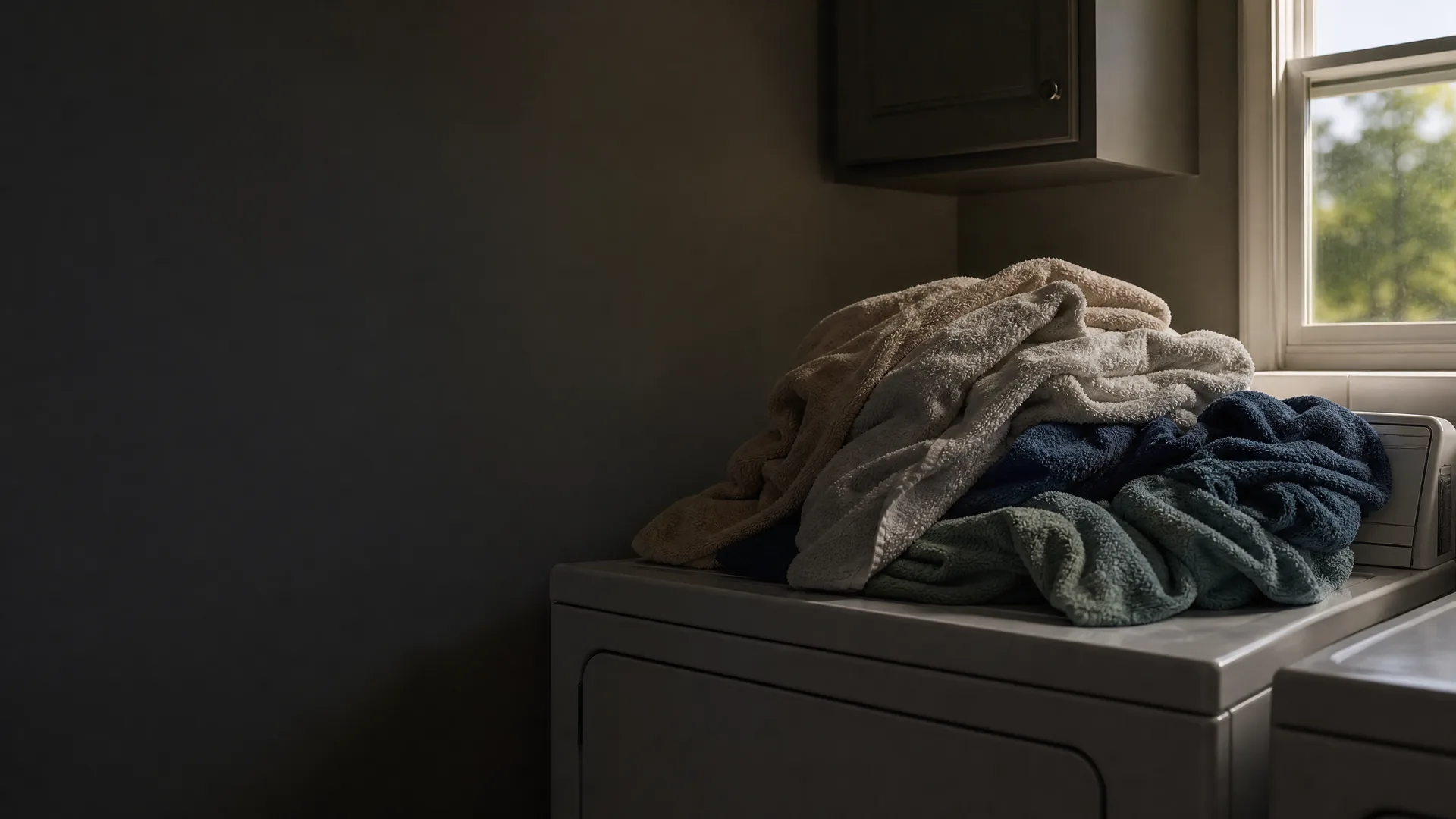
A pile of beige, navy, and teal towels sits on top of a washer or dryer in a dim laundry room with a window and an upper cabinet.

It's almost eight on a Tuesday and you're still in your work clothes, standing over a pile of towels that should have been done an hour ago. You've run the dryer twice now. The towels came out warm both times, but not dry, still heavy and damp when you pull them out and press a hand against the terrycloth. You open the lint trap, clean as always. You stand there for a second listening, and you think you hear something like a scratch behind the wall where the vent runs. The pile sits on top of the dryer, and you're deciding whether to run it a third time or give up until morning.

What would you actually notice in your own laundry room?

Clothes that used to dry in one cycle now need two. The dryer runs hot to the touch, hotter than you remember, and the laundry room itself warms up while it's running. You might hear chirping or scratching from the wall where the vent runs, especially in the morning. Outside, the vent hood flap sits open instead of closed, sometimes with bits of grass or straw caught in it. A musty, feathery smell can come through the vent opening. Left alone, the blockage forces the dryer to work harder every load, and a dryer that can't vent properly is a fire risk, since heat and lint have nowhere to go but back into the machine.

A white louvered dryer vent hood mounted with four screws on beige horizontal lap siding above a gray stucco foundation and concrete walkway.
The flap sits tight against the siding and swings freely when the dryer kicks on, so nothing outside can get behind it.
A white plastic dryer vent hood mounted on beige horizontal vinyl siding, with lint clogging its lower opening and a concrete foundation below.
Lint has packed the opening solid, and a bird could find a way in through a gap like that before you'd ever notice.
A bearded man in a plaid flannel shirt over a gray tee looks out a frosted multi-pane window with snow outside, a steaming dark mug on the sill beside him and shelves of dishware behind.
A smiling bearded man in a blue-gray t-shirt sits on a gray couch in a living room with wooden shelving and a bright window behind him, looking down toward a device at the lower edge of the frame.

Get matched with a dryer vent pro in Hamilton County

Send it once and finding someone is no longer on you.

No fee to send it, and nothing to sign.

A white hooded dryer vent with a louvered grille screwed to beige horizontal lap siding above a lighter foundation wall.

The vent doing its job

This is what the cap should look like against the siding. The flap hangs closed, the screen is clear, and the opening stays shut except when the dryer is actually running and pushing air out.

A wall-mounted plastic dryer vent hood on light-colored horizontal vinyl siding, clogged with lint and debris hanging from its opening, above a gray painted foundation.

The vent packed solid

Lint and nesting material have filled the opening completely. Air from the dryer has nowhere to go, and whatever built this up got in through a gap the flap should have kept closed.

Clear It Yourself or Call a Contractor

Clear it yourself

  • You can pull the cap off and check for a nest if the vent sits low enough to reach safely from a ladder.
  • A flashlight and a gloved hand will tell you fast whether it's lint or sticks and feathers back there.
  • Nesting material and lint both block airflow the same way, so your dryer runs the same symptoms either way.
  • Pulling nesting material out doesn't fix a broken or stuck flap, so a bird can get back in the same week.
  • Reaching the duct past the cap usually means more than hand tools, especially if the run bends or goes up through the roof.

Have it cleaned

  • A contractor can run the full length of the duct, not just the first foot behind the cap, and clear lint packed in further back.
  • Fixing or replacing a weak flap is part of the job, so the vent stays closed to birds once the nest is gone.
  • Nesting material close to the dryer's heat is a fire risk that's worth having someone confirm is fully cleared, not just pulled at from outside.
  • A contractor working on a vent already knows what a bird nest looks like versus a lint clog and won't guess.
  • Once the form is sent, finding someone to deal with it is off your plate.
  1. A bird works the loose or broken flap open from outside the hood.

  2. It carries sticks and grass into the warm duct behind the cap.

  3. The nest packs the duct until air can barely push past it.

  4. Trapped lint and heat build up behind the blocked vent run.

2.64 people per household on average

At 2.64 people, most Hamilton County households are doing laundry for two or three people, so the dryer runs often enough that a blocked vent usually gets caught within a load or two instead of sitting ignored for weeks while a nest builds up behind the flap.

ACS 2020-2024

A Nest Blocking the Vent

  • A bird in the vent almost always means a nest built behind a stuck or broken flap.
  • Spring is when sparrows and starlings are most likely to work a loose flap open.
  • Longer dry times, a hot dryer, or chirping and scratching all point to the same cause.
  • A clear vent has a flap that swings open only when the dryer runs and falls shut right after.
  • Checking the cap and flap yourself is possible if the vent sits low enough to reach safely.
  • Left alone, a nest packs the duct tighter and traps more heat and lint behind it.

A bird in a dryer vent near Carmel almost always comes down to the same thing: a flap that didn't fall shut the way it should, and a sparrow or starling that found the gap in spring and built a nest in the warm duct behind it. The signs show up in the laundry room before you ever see the bird. Towels that took one cycle now take two. The dryer runs hotter than it used to, and the room around it warms up while it's running. Some homeowners hear it before they see it, a scratching or chirping sound coming from the wall or the vent line itself. A working vent doesn't give a bird anywhere to go. The flap sits tight against the siding, swings open when the dryer pushes air out, and falls shut the rest of the time, so there's no gap to work loose from outside. Once a nest is in there, it doesn't stay the same size. More sticks and grass get packed in, lint builds up behind the blockage, and heat that should be venting outside starts backing up into the duct instead. If the vent sits low enough on the house to reach safely, pulling the cap and looking behind it with a flashlight will tell you in a minute whether it's lint or a nest. If it's higher up, or if there's any doubt about what's back there, that's a job for someone who does this for a living.

A woman in a gray turtleneck sweater stands near a window with snow outside, in a dimly lit living room with a lit Christmas tree, table lamp, sofa and bookshelf.
A woman in a cream knit sweater with her hair in a bun stands in a dimly lit living room looking out a large window at snow-covered evergreen trees, with a lamp, sofa, framed picture and lit candle behind her.
A woman in a thick gray knit sweater stands beside a window looking out at falling snow, with a dimly lit living room containing a lamp, sofa, string lights and a candle behind her.
A woman in a gray turtleneck sweater stands in a dimly lit room with a lit table lamp, framed picture and sofa, looking toward a window with snow outside.

Dryer Vent Cleaning

A pro who works on dryer vents

Send the form and finding a dryer vent cleaner is handled.

A black-framed smartphone standing upright against a plain light gray background, its screen filled with solid green.
Duct and vent cleaningHamilton County, IN
Step 1 of 3

What kind of equipment?