 Hand off the search
Signs your ducts need cleaning in South Bend, IN
Send the form and the duct cleaning stops sitting on your list.
You noticed dust settling back on the furniture a day after you wiped it down. Maybe a musty smell comes through the vents when the furnace kicks on, or someone in the house has been sneezing more than usual since the heat went on for the season. These are the signs people in South Bend ask about, and they usually mean the ducts carrying air through the house have buildup inside them.
A gas furnace running hard through a St. Joseph County winter pushes a lot of air through those same ducts, month after month. If there's dust, pet hair, or debris sitting in the trunk line or the branches running to each room, that air picks some of it up every time the system cycles. Vents that blow out a puff of dust when they start, rooms that stay dustier than others, or a filter that looks dirty again just weeks after changing it all point the same direction.
None of that tells you how bad it is or whether it's worth doing something about right now. A straight answer on that takes someone looking at the actual ducts in your house.
That's the part this page can take off your plate. Instead of searching for duct cleaning companies, calling a few, explaining the same thing to each one, and sitting with quotes that don't match, you send one form. From there, finding someone to come look at your ducts stops being something you have to manage. You get to stop carrying it around.
Below, the specific signs worth paying attention to, and what they tend to mean.
The clearest sign is dust that comes back fast, a day or two after you've cleaned, along with a musty smell when the furnace or AC kicks on. Both point to buildup sitting inside the ducts themselves, not just dust in the room. Furnaces here run hard from around October through April, and that long stretch of steady airflow pushes whatever is in the ducts through the house over and over. If anyone inside has been coughing or sneezing more since the heat came on, or you can see dust around the vent covers, that is the system moving air through ducts that need attention. Rooms that stay dusty no matter how often you clean, or vents that look darker around the edges, mean the same thing. None of this is about the furnace breaking down. It is about what the air carries every time the system runs.
Why does duct buildup catch up with homes in St. Joseph County?
Half the homes here were built by 1968
Half the homes in St. Joseph County were built in 1968 or earlier, and ductwork that old has had decades to collect dust the furnace keeps pushing through.
Heat runs October through May
Heat runs October through May here, about eight months of the year, giving dust and debris that much time to build up inside the ducts.
Cooling runs June through August
Cooling runs June through August, so for most of the year air is moving through the same ducts, carrying whatever has settled there into every room.
ACS 2020-2024 · NOAA nClimDiv 1991-2020
What's Actually Happening Inside the Ducts
- Registers that blow out dust or debris when the furnace first kicks on usually mean the main trunk line is carrying buildup, not just the vent itself.
- A burning or musty smell in the first minutes of a heating cycle often means dust has settled on the heat exchanger or inside the supply duct near the furnace.
- Rooms that stay warmer or cooler than the rest of the house can mean a duct run is partly blocked, since a narrowed path moves less air to that room.
- Visible dust or pet hair caked at the return grille usually means the same buildup is sitting further back in the duct where you can't see it.
- A spike in the gas bill with no change in habits can mean the blower is working harder to push air through ducts that have narrowed with buildup.
- Dust that collects fast on furniture even right after cleaning points to ducts recirculating what they're holding every time the system runs.
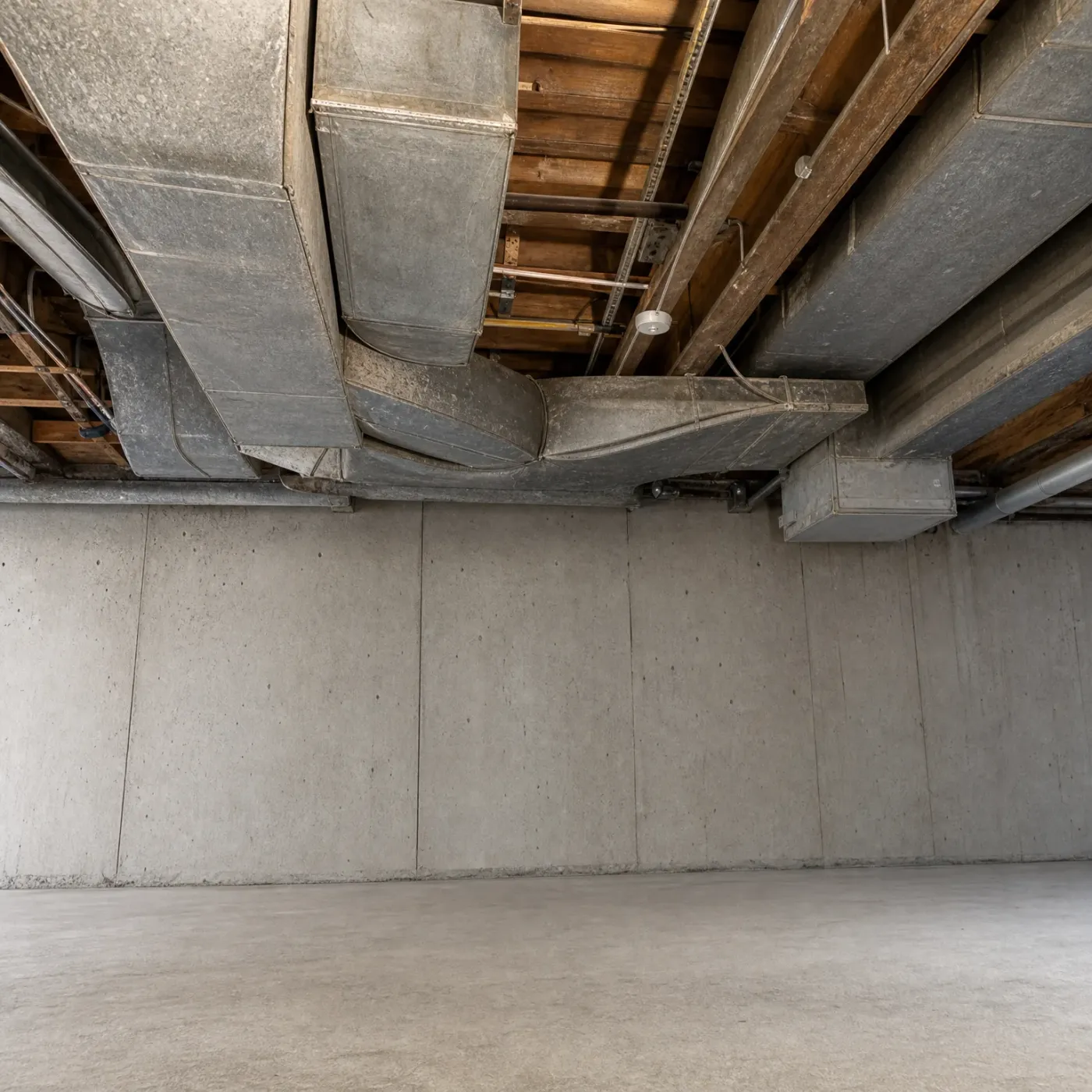
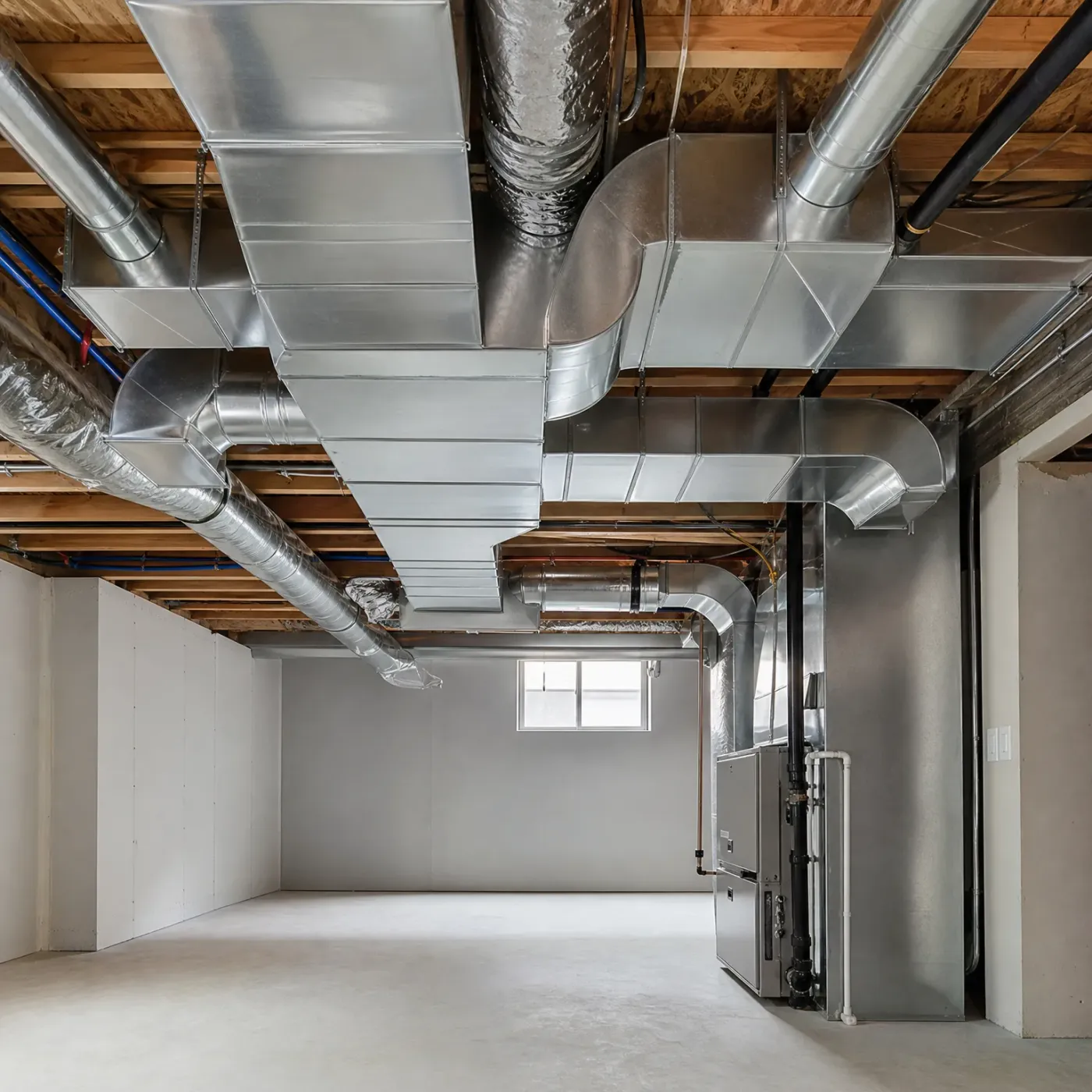
A duct system moves air in a loop. The return pulls air from your rooms, the blower pushes it through the furnace, and the supply ducts carry it back out through the registers. Anything sitting inside that loop, whether it's dust, pet hair, or construction debris from years back, gets stirred up and redistributed every single cycle. That's why the signs show up at specific points in the system rather than all at once. A register blowing out debris when the furnace first fires means something is loose in the trunk line close to that run. A smell in the first few minutes usually means dust sitting on the heat exchanger itself is burning off as it heats up. A room that never quite matches the rest of the house often has a duct run that's narrowed somewhere between the furnace and that register, so less air gets through no matter how long the system runs. The blower doesn't know the difference between a clear duct and a partly blocked one. It just works harder, pulling more gas and more power to push the same amount of air through a smaller opening. None of these signs show up alone for long. They tend to show up together, because they all come from the same buildup sitting somewhere in the line between the furnace and the room.
It's off your list after this

Skip searching for someone who cleans ducts in St. Joseph County.
You only hire the pro if you want to.
How a technician checks the ducts
A technician opens a supply register and a return and looks at the inside of the trunk line with a camera or a mirror and light. Dust sitting on the metal in a thin even layer is normal. A buildup thick enough to see in clumps, or pulled into ridges by the airflow, means it has been there through more than one heating season. They also check the coil and the blower housing, since air pulls debris past both on its way through the system. What they find there tells you whether the dust problem is coming from the ducts or from somewhere else in the house.
Why sealed ducts still fill up
Ducts do not need a hole to collect dust. Every time the blower starts, it pulls in whatever is near the return, carpet fibers, pet hair, skin cells, and moves it through the trunk line along with the air. Most of it passes through and comes out the registers, but some settles on the inside of the metal, especially at bends and low spots where airflow slows down. Over years of running most of the day from October through May, that layer builds up enough to get stirred loose again whenever the system kicks on, which is why you see it land back on furniture so fast.
Power here costs 16.62 cents per kilowatt-hour
At 16.62 cents per kilowatt-hour, every hour your blower motor fights clogged ducts to push air through the house costs you more. A system working harder than it should runs longer to heat or cool the same rooms, and that extra runtime shows up on next month's bill.
EIA-861 2025
What's settling into your supply lines
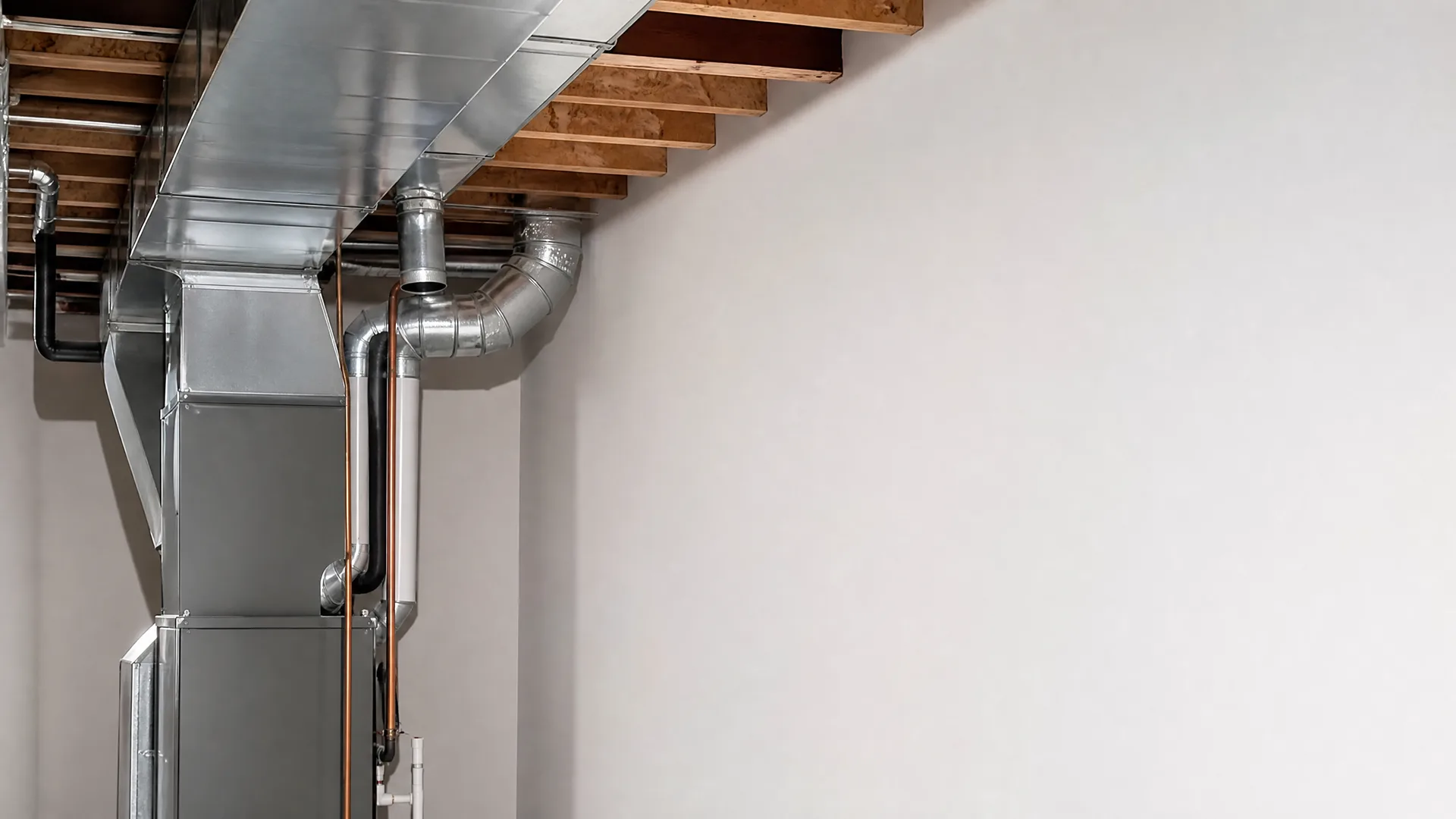
Every time the furnace cycles on, it pushes air through miles of ductwork before it ever reaches a vent. Along the way, dust, pet hair and whatever else is sitting in those trunk lines gets stirred up and carried into the rooms you live in. That's why a room can look clean and still leave someone sneezing once the heat kicks on. The buildup isn't on your furniture. It's upstream of it, in the metal you can't see.
What it means for your bill
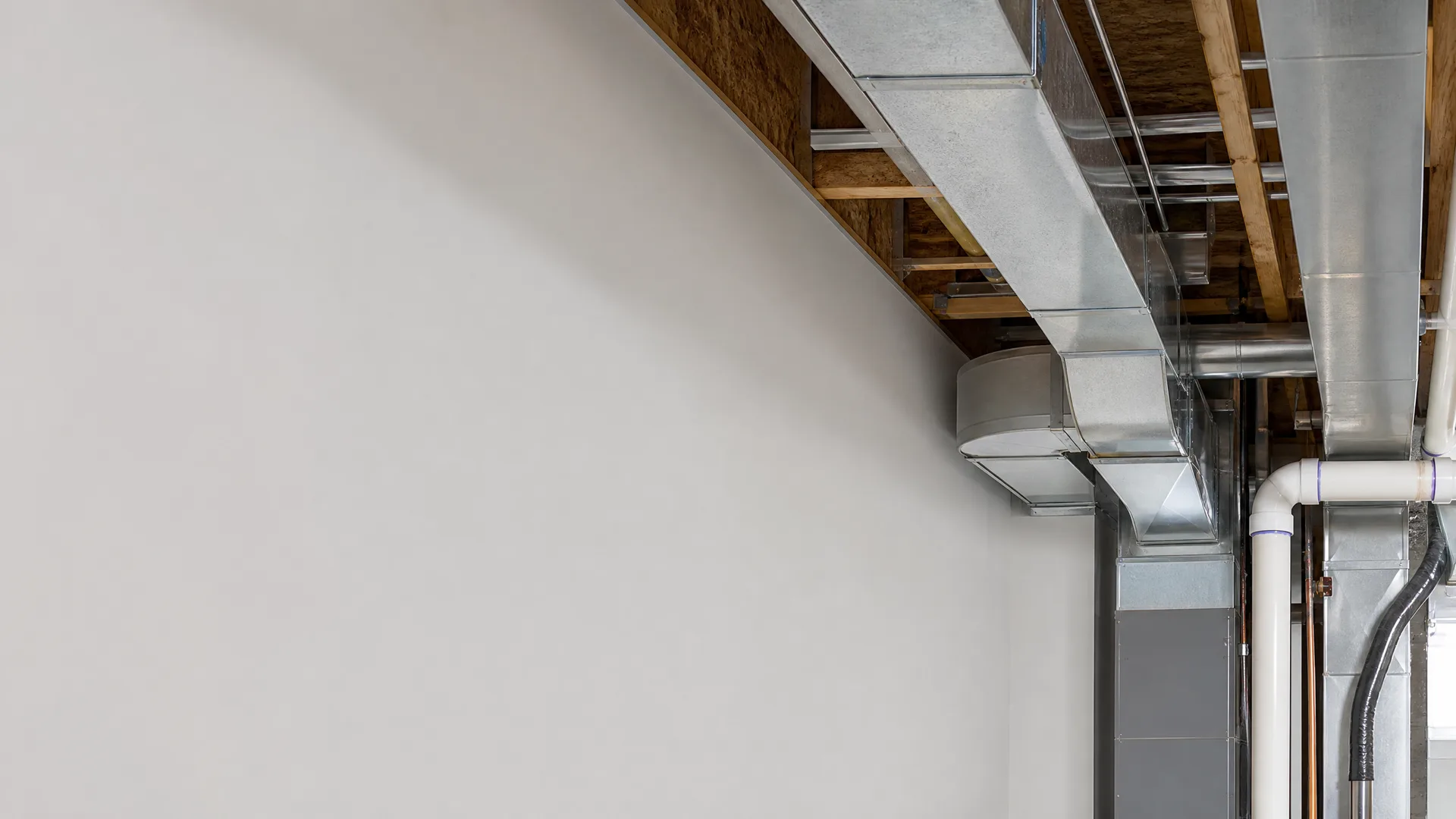
A blower motor pushing air through ducts coated in dust has to work harder to move the same amount of air into each room. It runs longer to reach the temperature on your thermostat, and that extra runtime adds up over a winter that stretches from October through May. At 16.62 cents per kilowatt-hour, a system that's straining shows up as a higher number on your electric bill before you ever see the duct itself.

So that's what to look for
Dust that comes back fast, a musty smell when the furnace kicks on, registers that puff out debris at the start of a cycle. Any one of those points to buildup inside the ducts, not just a dirty room. In a house where the ductwork has been there since 1968 or earlier, it's worth a look even without those signs showing up yet.
Finding someone to do that look isn't the hard part anymore once you send the form. You're not calling around St. Joseph County asking who answers the phone, not explaining the dust and the smell over again to the third contractor, not laying quotes side by side trying to guess who's worth the call back. That part is off your plate. What's left is simpler: someone reaches out, looks at your ducts, and tells you straight what's in them.





Ductwork Cleaning
Stop chasing a duct system pro
One form replaces the calls you'd make to find a duct system pro.
