
HVAC Repair in Hammond, IN
Homes here need heat from October through May and cooling from June through August. If your system quits, tell us what it's doing and a licensed contractor who covers Lake County will get in touch.
Tell us about the job
It takes about a minute.
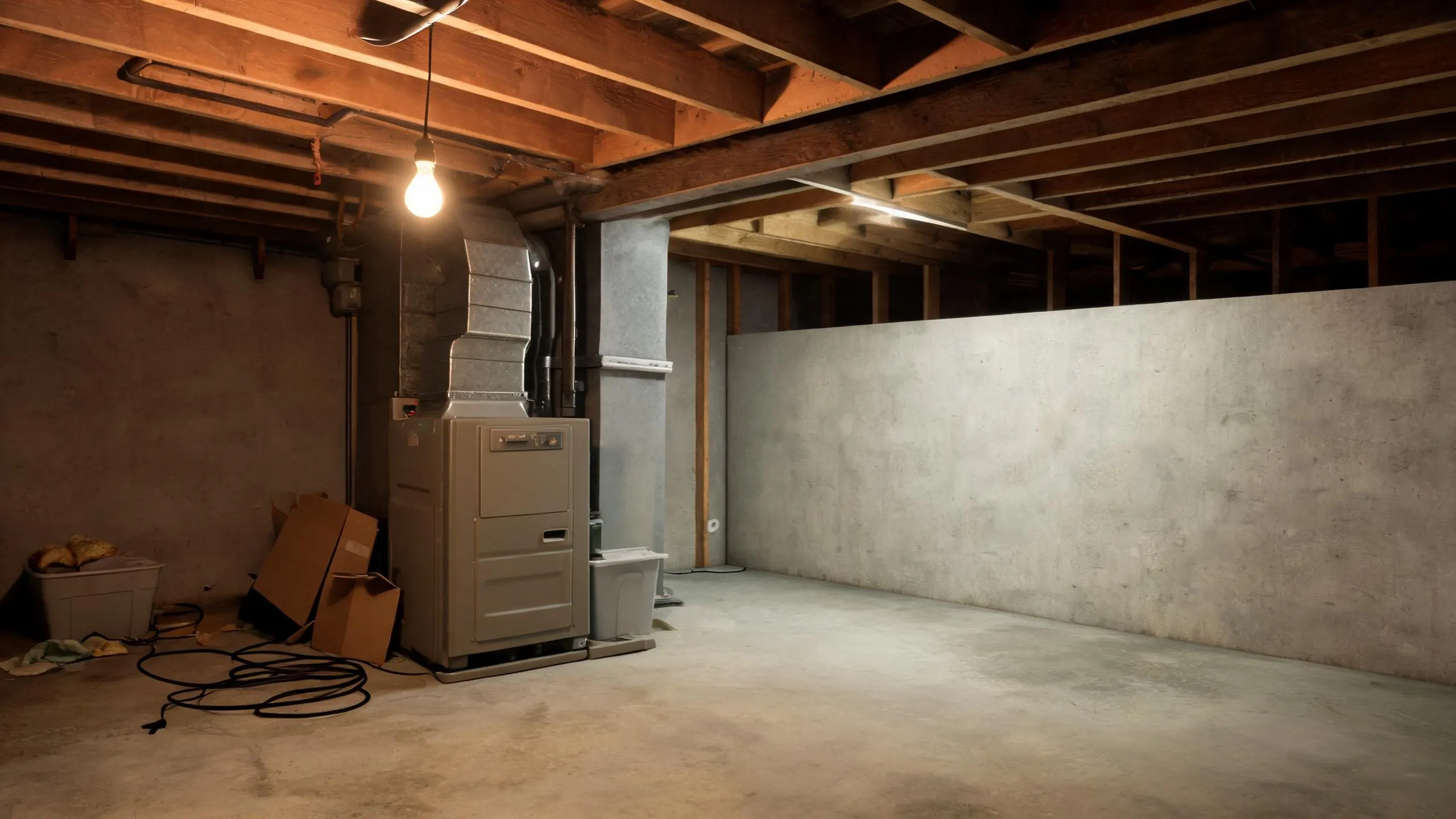
Eleven months of work, most of it in the cold
Your furnace is the one carrying this house. Heat runs October through May here, eight months, and on the nights that drop to 20°F it cycles on and off for hours trying to hold the temperature. Each start puts a little more wear on the igniter, and when it finally gives out, the furnace won't light at all.
Summer asks less of the system but still asks. Afternoons near 82°F push the air conditioner to run steadily through June and August, and the compressor and coil take that load. Add in the storms this area sees, winters with real cold snaps and winds strong enough to cut power, and a system that loses power mid-cycle can come back stressed or not come back on right. Between the cold months and the power that doesn't always hold, this is a system with almost no season off.
- 8 months
- October through May, your system heats
- 3 months
- June through August, it cools
- 20°F
- the average winter night it heats against
- 82°F
- the average summer afternoon it cools against
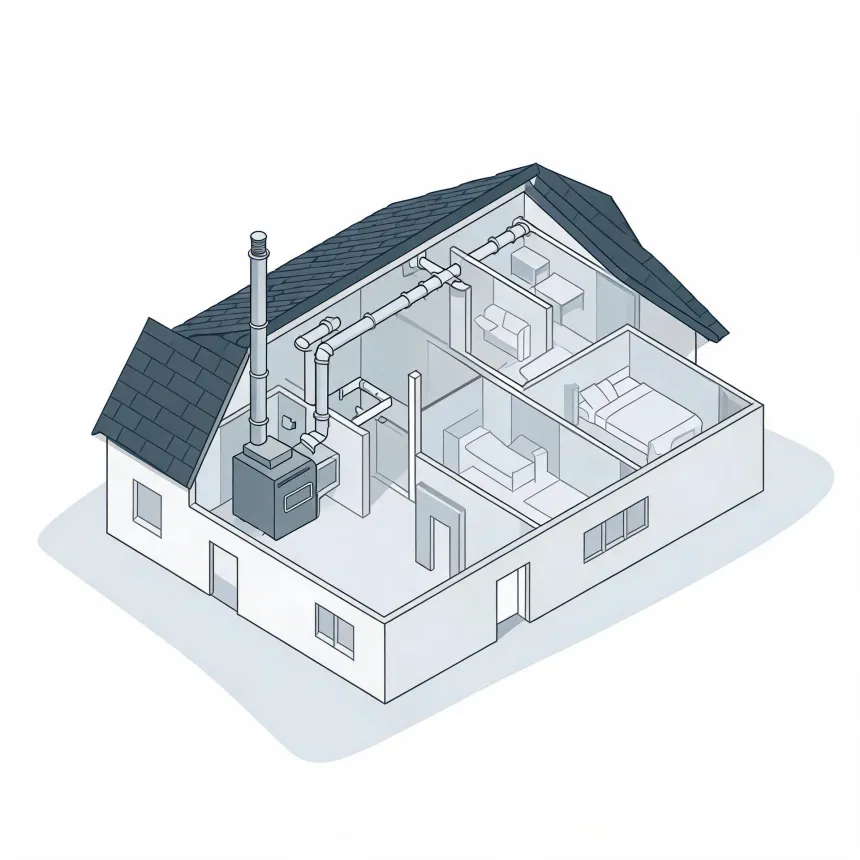
NOAA nClimDiv, 1991–2020 normals

A new furnace and air conditioner would cut about $130 a year off heating and cooling for a typical Lake County home.
Estimates for a typical Lake County home, compared with an older unit built to the previous federal minimum, from EIA household energy data, Indiana fuel prices and NOAA climate normals. Your home will differ.
Repair makes sense when one part has failed.
Replacement makes sense when the furnace's heat exchanger is cracked, the air conditioner's compressor has failed, or repairs keep coming.
In Indiana, HVAC licensing for homes is left to the counties and cities.
Lake County sets its own rule on this. Indiana has no state HVAC license and never tested this contractor or put them on a state list. Whether a license exists here, and what it covers, comes from Lake County or the city where the house sits, not from any state board.
For a heating and cooling repair, that means the license question is a local one, and it may not answer the parts of the job that matter most. A gas connection is the part of a repair that can hurt someone if it is done wrong, and whether that gets checked depends on what Lake County or the city requires, not on a license from the state.
Sources: Indiana Department of Workforce Development · State of Indiana
- Why is my heat not working?
- Start with the thermostat. Make sure it is set to heat and set a few degrees above the room temperature, since a setting that got bumped is the most common reason nothing happens. If the thermostat looks right, check the breaker for the furnace and, on a gas furnace, make sure the switch that looks like a light switch near the unit is on. When nights are running near 20°F, a furnace that is struggling can fall behind fast, so if you smell gas or the furnace is running but blowing cold air, that is a job for a contractor, not something to keep testing on your own.
- Why is my system running but not cooling the house?
- The most common cause is a dirty filter choking off airflow, so check that first and replace it if it is gray or clogged. If the filter is clean, look at the outdoor unit and clear away any grass clippings, leaves, or plants growing against it, since it needs open air on all sides to release heat. A system that runs constantly on an 82°F afternoon without cooling the house may be low on refrigerant or have a failing compressor, and both of those need a contractor to diagnose.
- What can I check before calling for HVAC repair?
- Check the thermostat first, including the batteries if it has a screen that looks dim or blank. Check the filter next and replace it if you cannot see light through it. Check the breaker panel for a tripped switch, and outside, make sure nothing is blocking the outdoor unit. If you have already checked these and the system still is not heating or cooling right, a contractor will need to look at it directly, since anything past this point means opening the equipment up.