
HVAC Repair in Greenwood, IN
Homes here need heat from October through May and cooling from June through September. If your system quits, tell us what it's doing and a licensed contractor who covers Johnson County will get in touch.
Tell us about the job
It takes about a minute.
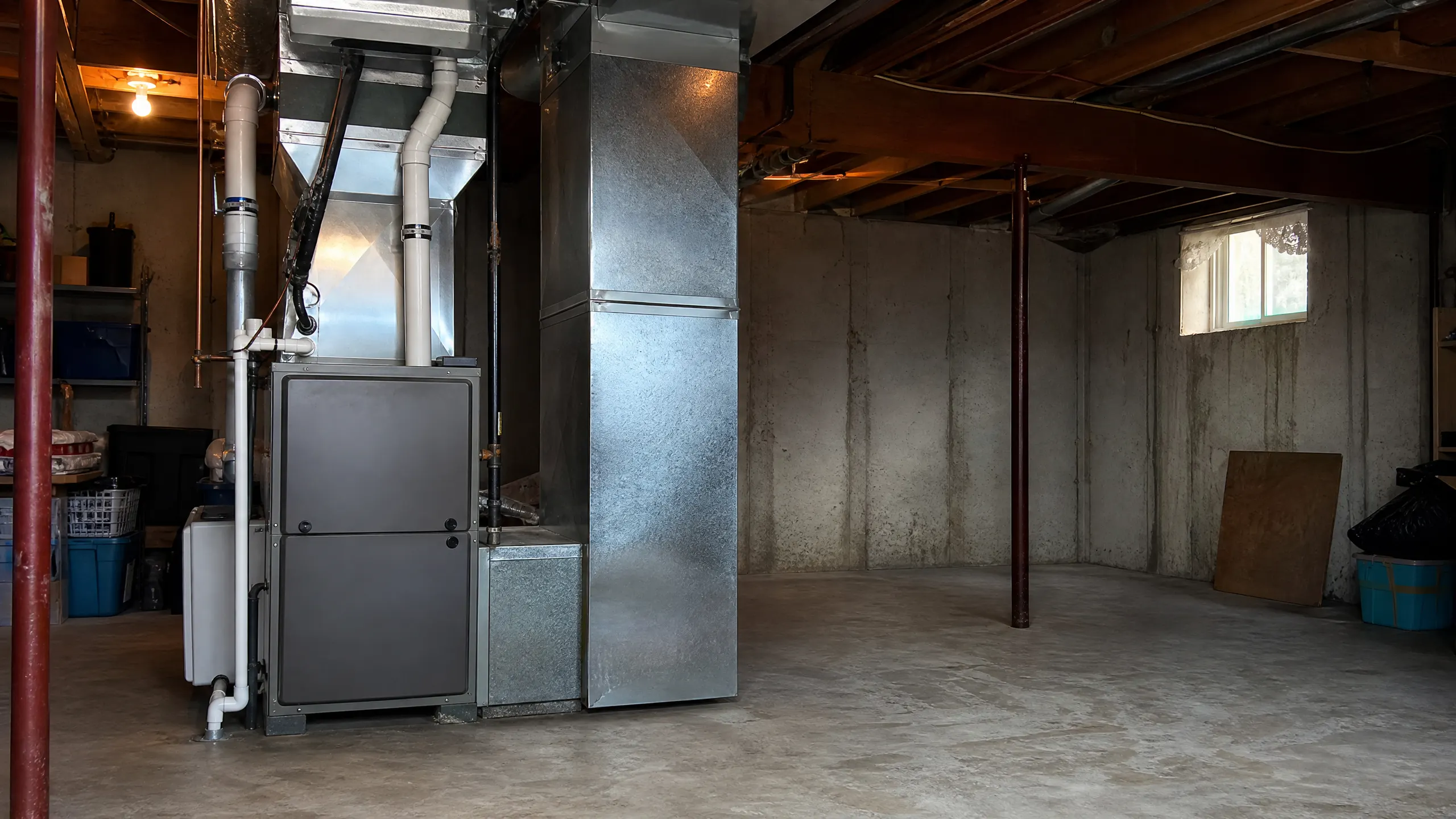
Eight months of heat, four of cooling, and not much rest between
Your furnace is the machine you depend on most here. From October through May it runs on nights that average 23°F, and the colder the air outside, the longer each cycle runs to keep up. That kind of steady demand wears on the igniter and the flame sensor, and when one of them fails, the furnace stops firing right when you need it most.
Come June the work shifts to the air conditioner, and it only gets four months to do its job before summer ends, with afternoons averaging 83°F. Short seasons with hard use are tough on a system. Storms add another risk. The area has seen 11 winter storms and 39 damaging wind events over the past ten years, and across Indiana, 17% of households went at least 24 hours without power in 2024. A furnace or air conditioner that loses power and comes back on wrong, or not at all, needs someone who knows what to check first.
- 8 months
- October through May, your system heats
- 4 months
- June through September, it cools
- 23°F
- the average winter night it heats against
- 83°F
- the average summer afternoon it cools against
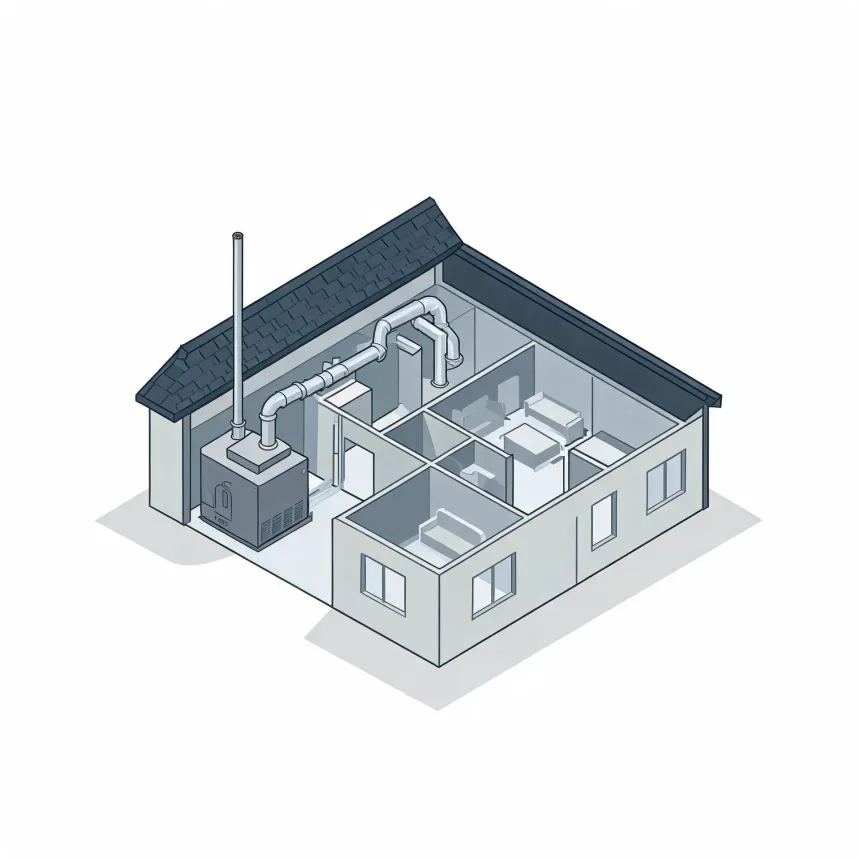
NOAA nClimDiv, 1991–2020 normals
A new furnace and air conditioner would cut about $120 a year off heating and cooling for a typical Johnson County home.
Estimates for a typical Johnson County home, compared with an older unit built to the previous federal minimum, from EIA household energy data, Indiana fuel prices and NOAA climate normals. Your home will differ.
Repair makes sense when one part has failed.
Replacement makes sense when the furnace's heat exchanger is cracked, the air conditioner's compressor has failed, or repairs keep coming.
In Indiana, HVAC licensing for homes is left to the counties and cities.
Indiana leaves this to the counties and cities, so there is no state license behind this job. Whether Johnson County licenses HVAC contractors, just registers them, or has no rule at all is a local question, and that is not something these facts settle.
For a heating and cooling repair, the part that matters most is the gas connection, since a bad one is the dangerous part of the job. Whether that gets checked here depends on whatever rule Johnson County has, and nothing here says what that rule is.
Sources: Indiana Department of Workforce Development · State of Indiana
- Why is my heat not working?
- Start with the thermostat. Make sure it's set to heat and the temperature is set above the room temperature, since a setting bumped a degree or two can look like a dead furnace. Check your breaker panel next, because a tripped breaker will shut the whole system down with no warning at all. If the furnace runs but no warm air comes out, or it won't start at all, that points to something like the igniter or a safety switch, and it's worth having a contractor look at it before a night at 23°F finds the problem for you.
- Why is my system running but not cooling the house?
- Check your filter first. A clogged filter chokes off airflow across the coil, and on an 83°F afternoon that's often enough to keep the house from cooling down even though the system runs the whole time. Check the outdoor unit too, since leaves or grass clippings packed against the coil do the same thing from the other side. If both are clear and the air coming out still isn't cold, the refrigerant charge or the compressor may need a contractor to look at it, since those aren't something to check yourself.
- What can I check before calling for HVAC repair?
- Check the thermostat settings, the breaker panel, and the filter. Those cause a lot of no-heat and no-cool calls on their own. Look at the outdoor unit too if it's cooling you're after, and clear away anything piled against it. If everything checks out and the system still isn't heating or cooling right, that's the point to call, and telling the contractor what you already checked will save time on the visit.