
Dryer Vent Cleaning in Greenwood, IN
Tell us about your home, and a licensed contractor who covers Johnson County will get in touch.
Tell us about the job
It takes about a minute.

Cold vents make lint stick
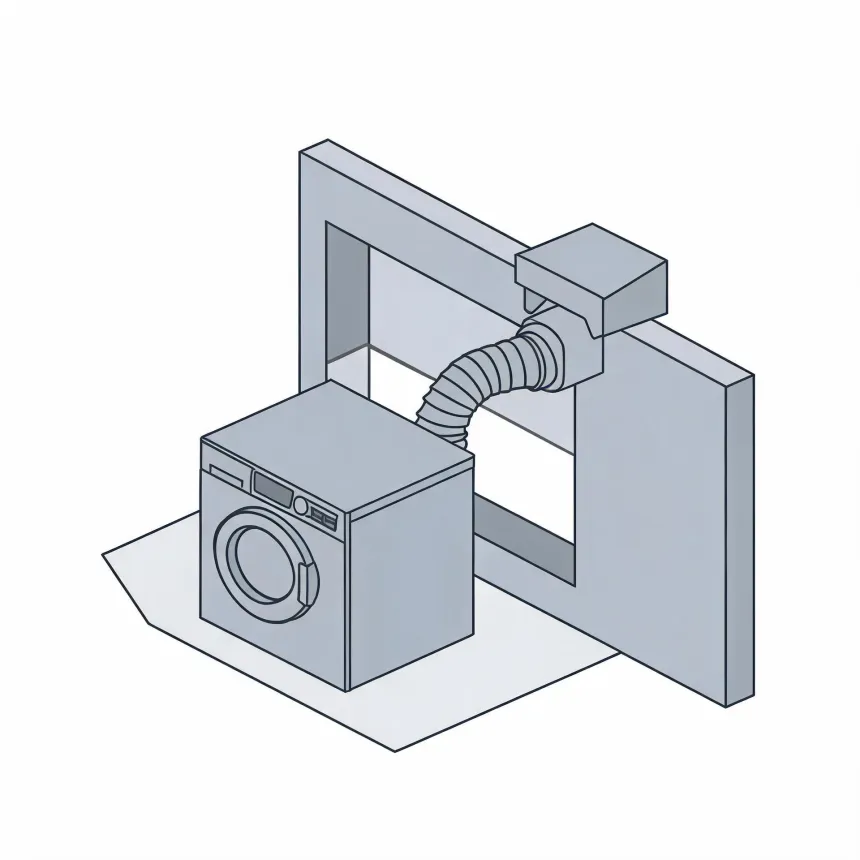
Your dryer pushes out warm, damp air, and that air has to travel through a vent that sits in cold space most of the year. From December through February, nights here average 23°F, so the air cools fast once it leaves the drum. Lint that would blow through a warm vent sticks to the walls of a cold one, and the buildup narrows the path a little more each month.
A vent that cannot push air out all the way lets that damp air linger, and moisture works into the surrounding wall. Homes here run their heat October through May, eight months of the year, which is eight months where the vent stays cold enough for this to happen.
- 23°F
- the average winter night, and cold vents catch damp lint
- 8 months
- October through May, the vent stays cold
NOAA nClimDiv, 1991–2020 normals
- How often should a dryer vent be cleaned?
- A contractor can tell you for certain once they see the length and shape of your vent run, but the clearest sign it is due is the dryer itself. If a load that used to take one cycle now takes two, or the outside vent hood barely puffs air when the dryer is running, lint has built up enough to matter. Waiting for those signs rather than a fixed schedule is the safer way to judge it.
- Can I clean my dryer vent myself?
- You can clean the part you can reach, but that is rarely the whole vent. Pulling the dryer out and clearing lint from the first few feet of duct and the outside hood helps, and it is worth doing. The lint that builds up deep in a long run or around a bend usually needs a rod and brush made for the job, and a contractor has both.
- What are the signs of a clogged dryer vent?
- Clothes that take more than one cycle to dry, a dryer that runs hot to the touch, and less airflow than usual from the outside vent hood. You might also notice a burning smell or more lint than normal around the lint trap door. Any one of these on its own is worth a look, and if you notice a few together, get the vent checked before running the dryer again.