
HVAC Repair in Columbus, IN
Homes here need heat from October through April and cooling from June through September. If your system quits, tell us what it's doing and a licensed contractor who covers Bartholomew County will get in touch.
Tell us about the job
It takes about a minute.
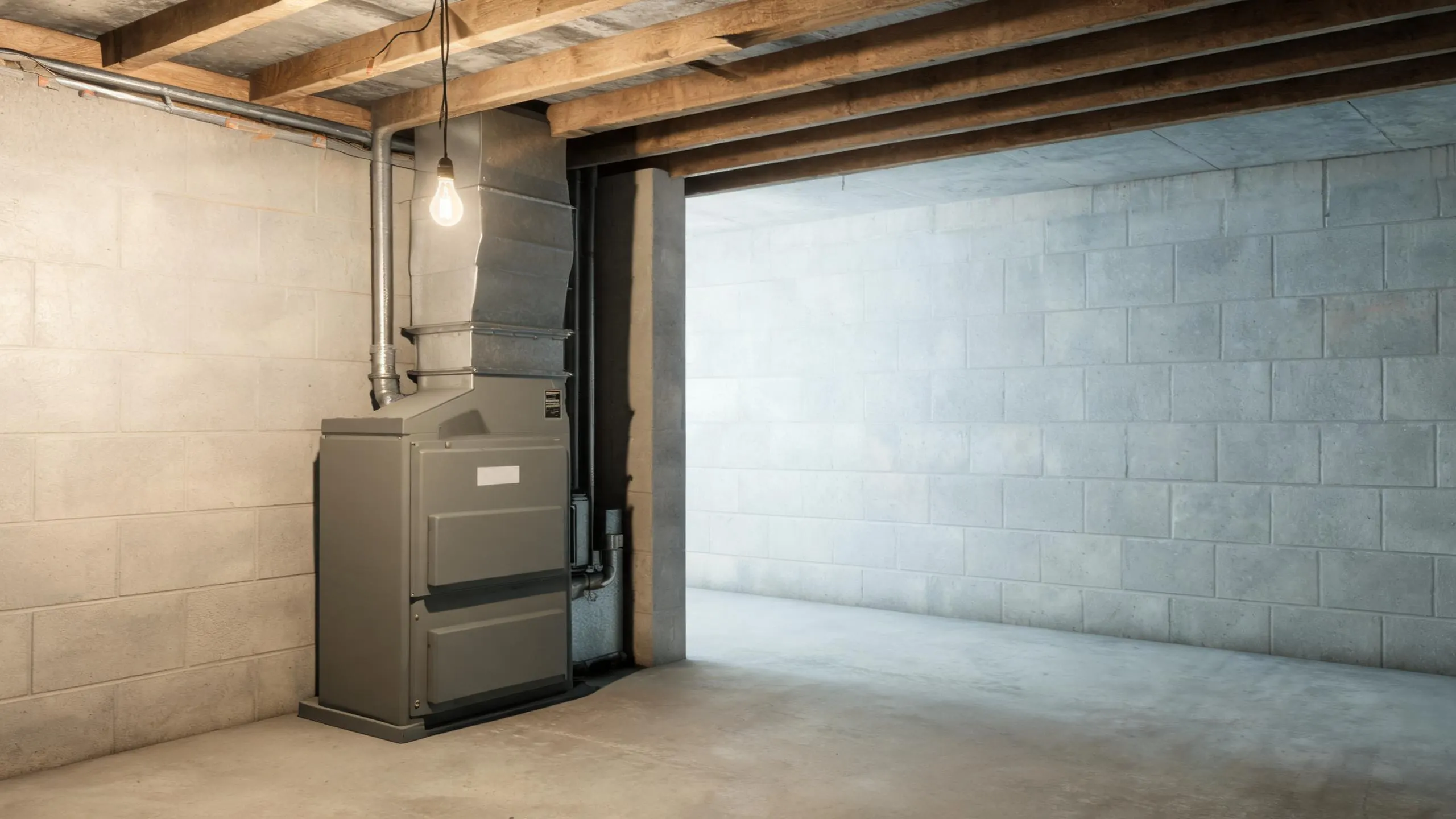
Eleven months of work for your system in Bartholomew County
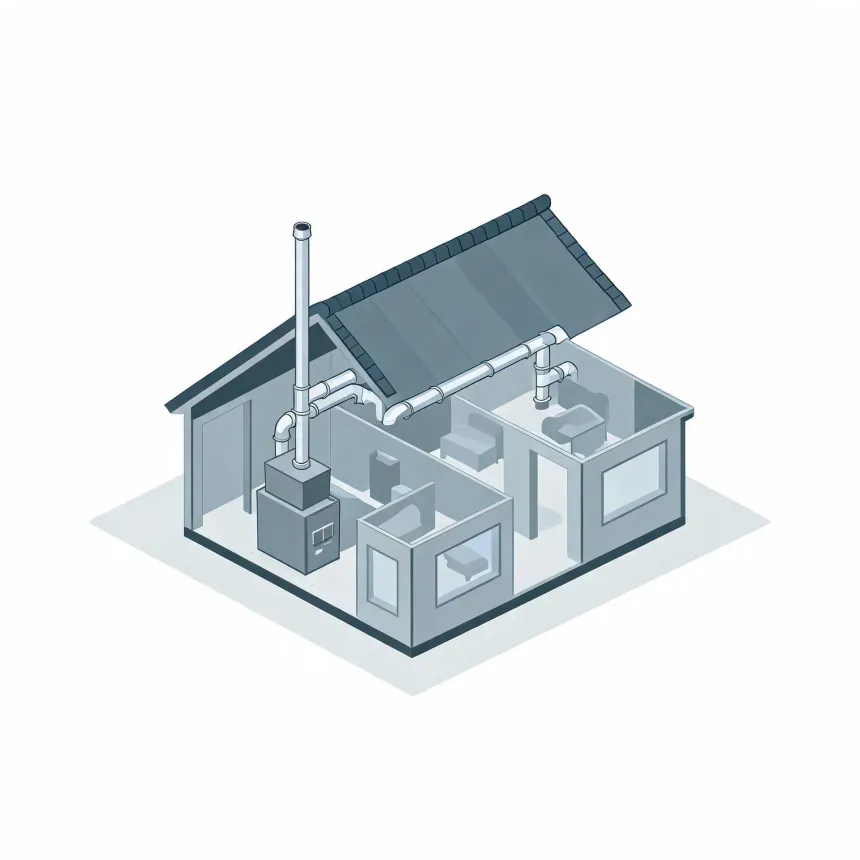
Your furnace carries the load from October through April, firing up over and over on nights that average 24°F. That kind of cycling wears on the igniter and the flame sensor, and one of them gives out when you need heat the most. Summer asks the rest of the system to keep up, running from June through September against afternoons near 84°F. The compressor and the capacitor take that strain, and a weak capacitor shows up as a unit that hums but will not start.
Columbus also sees its share of rough weather, with 40 damaging wind events and 10 winter storms recorded over the past ten years. Wind and ice bring down power lines, and 17% of Indiana households went at least 24 hours without power in 2024. Most furnaces and air conditioners come back on by themselves once power is restored, but if yours does not, that is worth a call.
- 7 months
- October through April, your system heats
- 4 months
- June through September, it cools
- 24°F
- the average winter night it heats against
- 84°F
- the average summer afternoon it cools against
NOAA nClimDiv, 1991–2020 normals

A new furnace and air conditioner would cut about $120 a year off heating and cooling for a typical Bartholomew County home.
Estimates for a typical Bartholomew County home, compared with an older unit built to the previous federal minimum, from EIA household energy data, Indiana fuel prices and NOAA climate normals. Your home will differ.
Repair makes sense when one part has failed.
Replacement makes sense when the furnace's heat exchanger is cracked, the air conditioner's compressor has failed, or repairs keep coming.
In Indiana, HVAC licensing for homes is left to the counties and cities.
Check whether Bartholomew County requires a license.
Sources: Indiana Department of Workforce Development · State of Indiana
- Why is my heat not working?
- Start with the thermostat and the power to the furnace. If the thermostat screen is blank, check its batteries or the breaker. If the furnace has power but won't fire, listen for it trying to start. A few clicks followed by silence usually points to the igniter or the flame sensor, and neither is something to test yourself. With winter lows here averaging 24°F, a furnace that's down for even a night is worth getting a contractor out to look at.
- Why is my system running but not cooling the house?
- Check the air filter first. A filter clogged with dust blocks airflow across the coil, and the coil can ice over, so the system runs but the air coming out isn't cold. Check the outdoor unit too. If the fan isn't spinning or you can't feel air moving through it, that's blocking the heat exchange it needs to cool your home. If the filter is clean and the outdoor unit is running normally, the system likely needs a contractor to check the refrigerant charge.
- What can I check before calling for HVAC repair?
- Check the thermostat is set correctly and has power, and check the breaker for the system hasn't tripped. Check the air filter, since a dirty one can cause both heating and cooling problems. If it's the furnace, check that the switch on or near the unit, the one that looks like a light switch, is in the on position. Telling the contractor what you checked and what you found saves time when they arrive.