
HVAC Installation in Jeffersonville, IN
A new system here will heat from October through April and cool from May through September every year. Tell us about the house, and a licensed contractor who covers Clark County will get in touch.
Tell us about the job
It takes about a minute.
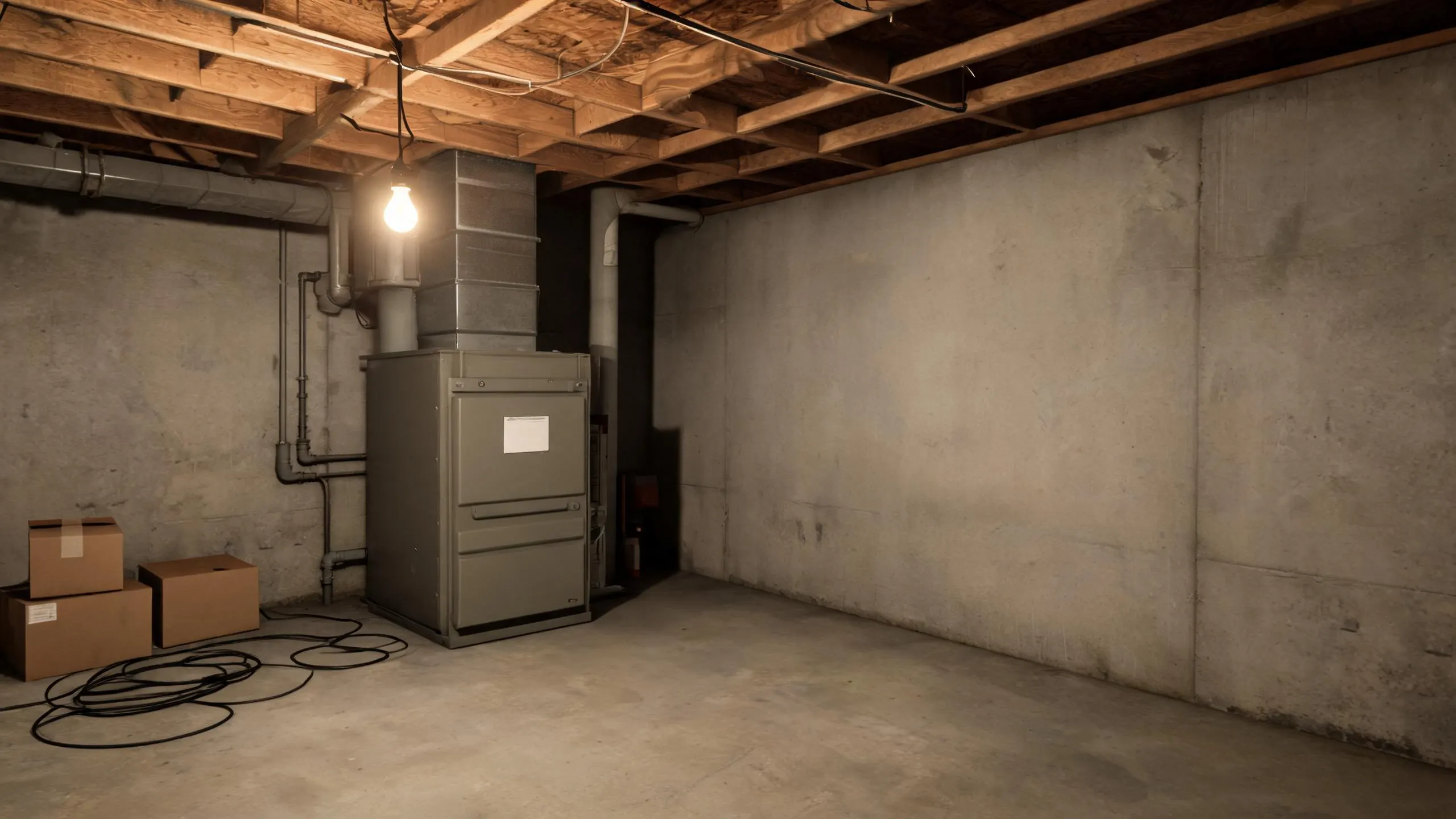
A new system here works almost every month of the year
Winter nights in Clark County average 26°F from December through February, and a new furnace needs to handle that from October clear through April. That is seven months of heat calls. Summer afternoons average 86°F, and cooling runs May through September, another five months. Between the two, a heating and cooling system here is working nearly year round.
Indiana has seen its share of winter storms and wind over the past ten years, and 17% of households in the state went at least 24 hours without power in 2024. Worth asking any contractor how a new system handles a power interruption, and what backup heat looks like if one is going in.
- 7 months
- October through April, your system heats
- 5 months
- May through September, it cools
- 26°F
- the average winter night it heats against
- 86°F
- the average summer afternoon it cools against
NOAA nClimDiv, 1991–2020 normals
In Indiana, HVAC licensing for homes is left to the counties and cities.
Clark County sets its own rule for who can do this work, since Indiana leaves licensing to the county and city rather than testing and licensing contractors itself. That means there's no state license behind the name on your quote. What's checked here, and by whom, comes down to what Clark County requires.
For this installation, the protection is the permit and inspection, not a license. Most cities and counties require a permit from the local building office before the work starts, and an inspection once it's done. That inspection is what stands in for a license here, and it's what catches a bad connection or an unsafe install.
Sources: Indiana Department of Workforce Development · State of Indiana
- When should I replace my HVAC system?
- Replace it when repairs start coming often, or when a contractor tells you the heat exchanger or compressor is failing. An aging system that needs a real repair is usually better replaced than patched again. Homes here run the furnace October through April and the AC May through September, so both sides of the system see real work most of the year, and a failing one will show it.
- Should I replace my furnace and air conditioner at the same time?
- If they are close in age, yes, that is usually the better time to do it. A furnace and AC installed together are matched to work as one system, and replacing only one can leave the other running against equipment it was not sized for. If your furnace and AC were installed years apart, a contractor can tell you whether the older one is worth pairing with a new unit or replacing now too.
- What happens during an HVAC installation?
- A contractor removes the old equipment, sets the new furnace, coil, or air conditioner in place, and connects it to the ducts, gas line or electrical circuit, and condensate drain as needed. They check the ductwork and refrigerant lines for the new equipment, then run the system through a full cycle to test airflow, pressures, and controls. The contractor should also walk you through the thermostat and any new controls before they leave.