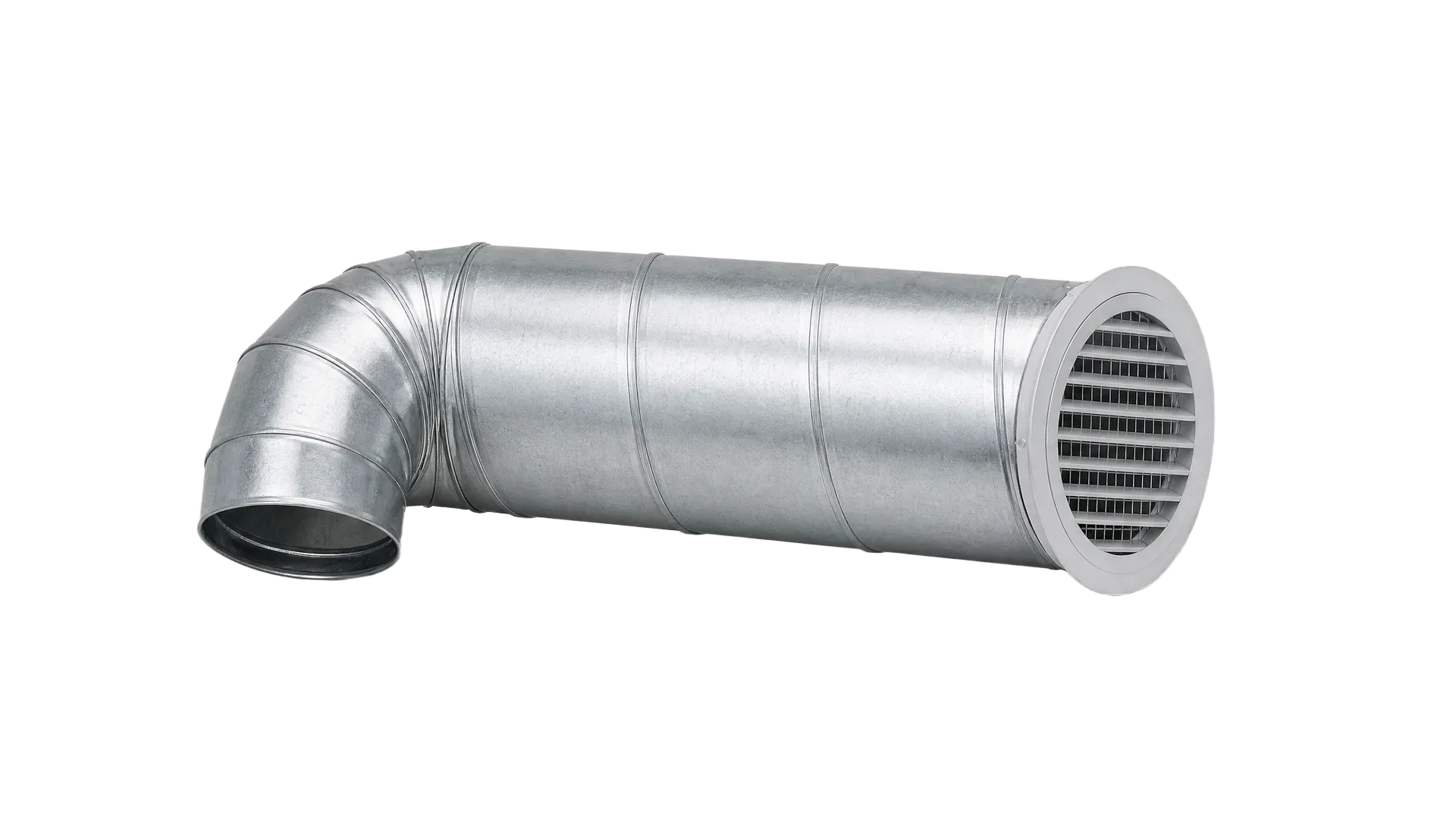
Duct cleaning can ease allergy symptoms if dust and pet dander have built up inside your ducts, but for most homes in Indiana it isn't the main fix. The bigger factor is usually the filter. A dirty or low-grade filter lets fine particles pass straight through and recirculate every time the furnace or AC runs, and with how sticky summers get here, your system is moving a lot of air for months at a stretch. Cleaning the ducts clears out what's already settled in there, which helps once, but it doesn't stop new dust and dander from building back up. If allergies are the main concern, a better filter and regular filter changes usually do more for the air you breathe than a one-time duct cleaning. Duct cleaning still has its place if you can see dust coming out of the vents or you're dealing with a known mold or pest problem in the ductwork.


Most of the dust and dander in a duct system doesn't travel far. It builds up near the vents themselves, especially the return, because that's where room air first enters the system. Once your furnace kicks on, the blower pushes air through the whole house, and anything loose near a vent gets stirred up and recirculated rather than staying put. In the summer, Indiana's humidity can make that dust stickier, so it clings to the inside of the duct instead of blowing back into the room. That's part of why cleaning can help some homes and not others. The filter is doing most of the real work here. It sits where the return duct meets the furnace, catching particles before they ever reach the blower or the coil. A cleaning takes out what's already settled, but it doesn't stop new dust from coming in through the return the next time the system runs. If you're also seeing mold inside the ducts, that's usually a sign of moisture at the coil or somewhere in the ductwork itself, not just dust that built up over time.
How dust actually moves through your ducts
- Dust and dander settle mostly in the first few feet of duct near each vent, not deep in the trunk line.
- A furnace blower moves air through the ducts constantly during an Indiana winter, which stirs up anything loose inside them.
- Sticky summer air can let dust clump and stick to duct walls instead of blowing back out through the vents.
- A cleaning removes what has already settled, but new dust keeps entering through the return vent the same day.
- The filter sits between the return duct and the furnace, so it catches particles before they reach the blower and coil.
- Mold inside ducts usually points to a moisture problem at the coil or in the ductwork, not just dust buildup.






A local pro for your ductwork cleaning
If you've already swapped in a better filter and dusted the vents and you're still waking up stuffed up, the ducts themselves are worth a look. A local contractor who services ductwork all over Indiana, in homes with the same gas furnaces and the same muggy summers as yours, can tell you from the register covers and the blower's condition whether there's real buildup or whether the air is doing what it should. That's a different read than a guess from a filter aisle. One contractor takes your request, the one who covers your area and knows what tends to collect in ducts after a winter of constant blower use and a summer of sticky air working through the house. They'll reach out and look at what's actually in your system before you spend on a cleaning that may not touch your allergies at all.

It's a Saturday afternoon in April, and the sun coming through the window shows what the overhead light never did. On the ceiling vent grille above the couch, a soft gray film has built up along the slats. A thin layer of the same dust sits on the lamp shade and across the top of the TV stand, right below it. You run a finger along the grille and it comes back coated. The furnace hasn't run in days, but the dust is still there, settled since winter. Nobody dusted that spot on purpose. It's just where the air from that vent has been landing all season.
Power costs 15.96 cents per kilowatt-hour statewide
At 15.96 cents a kilowatt-hour, running the blower longer than it needs to costs you something every month. A furnace or AC pulling air through ducts clogged with dust and dander works harder to push the same amount through, and that extra runtime shows up on the bill.
EIA-861 2025 statewide residential average

Clean ducts help some homes, not all of them
The filter catches most of what's floating in your air. The ducts hold what settled months ago near the vents and in the joints, and that only moves when the blower kicks on. If you've already changed the filter and you're still stuffed up, that buildup is a reasonable place to look next.
A contractor who works on ducts in homes around Indiana all year, through winters that run the furnace nonstop and summers thick enough to leave moisture sitting in the lines, has seen what builds up in both kinds of systems and what it takes to clear it out. Getting matched with one means a single local contractor looking at your ducts specifically, not a handful of companies working off the same guess.


Get the right pro for your ductwork
Only one pro gets your request, so you hear from one company.