











What to do when the heat goes out in Indiana

RepairFurnace or heatingIndiana
Step 1 of 2

What ZIP code is the job in?

First check the thermostat is set to heat and the temperature is set above room temperature, then check the breaker. If both look fine, the next thing to check is the furnace itself. Most furnaces here run on gas, and a furnace that won't start is often an igniter that's failed or a flame sensor too dirty to read a flame, and the system shuts itself off rather than run unsafe. A clogged filter can also starve the unit of airflow until it trips a safety switch. None of this is something to leave alone in an Indiana winter. A furnace that's down for a day can mean pipes at risk of freezing and a house that's uncomfortable fast. A licensed contractor can find which part failed and get the furnace running again safely.

A smiling man in a navy long-sleeve shirt sits at a wooden table in a kitchen and dining area, with a ceramic mug, a potted plant, and a sliding glass door behind him.
A smiling bearded man in a green henley shirt stands at a kitchen island with a gray mug, looking off to the side, with a dining area and shelves blurred behind him.
A smiling bearded man in a navy sweater sits at a white kitchen island with a ceramic mug, with open shelves, potted plants and a range hood behind him.
A smiling man in a dark olive long-sleeve shirt sits in a kitchen beside a counter with a dark mug, with a dining table, sideboard and hallway visible in the blurred background.

Why does my furnace click but not light?

You hear the furnace try. A click, sometimes a few clicks in a row, then nothing. No flame, no warm air, and the house keeps getting colder. It sounds like it should be close to working, which is almost worse than silence, because you don't know if this is a five-minute fix or something you need to leave alone.

That click is the igniter trying to light the burners, and something is stopping the flame from catching

Gas furnaces light with either a hot surface igniter or a spark igniter, and the clicking you hear is one of those trying to do its job. If it clicks but no flame follows, the igniter may be worn out, the flame sensor may be dirty and telling the system to shut off the gas, or the gas valve itself may not be opening. Sometimes it's a clogged air filter choking off airflow and tripping a safety switch before ignition finishes. None of these are things to force by resetting the furnace over and over. Each reset without a fix just repeats the same failed attempt, and some furnaces will lock out after a few tries until a technician clears the fault.

A gray furnace cabinet in a basement with sheet-metal ductwork, white PVC vent pipes, and black gas piping against a concrete wall and wood-framed partition on a bare concrete floor.
A furnace like this runs quiet and even, warming the house the same way all winter without any fuss.
A gray metal furnace with two white PVC vent pipes stands on a concrete floor beside galvanized sheet-metal ductwork in a basement or utility space with wood framing.
Rust on the cabinet and aging pipes like these are a sign the furnace is working harder to do the same job.
  1. Thermostat calls for heat and sends power to the control board.

  2. Inducer motor starts, clearing the heat exchanger for a safe burn.

  3. Igniter heats up until it glows hot enough to light gas.

  4. Gas valve opens and the igniter sets the burners alight.

An older metal furnace with a louvered front panel stands against a concrete basement wall, connected to sheet-metal ductwork and a flue pipe, with copper and steel pipes running alongside.
Before you get your furnace repair
A beige high-efficiency furnace stands on a concrete basement floor beside sheet-metal ductwork, with white PVC vent pipes and a gas line running along an insulated wood-framed wall.
After you get your furnace repair
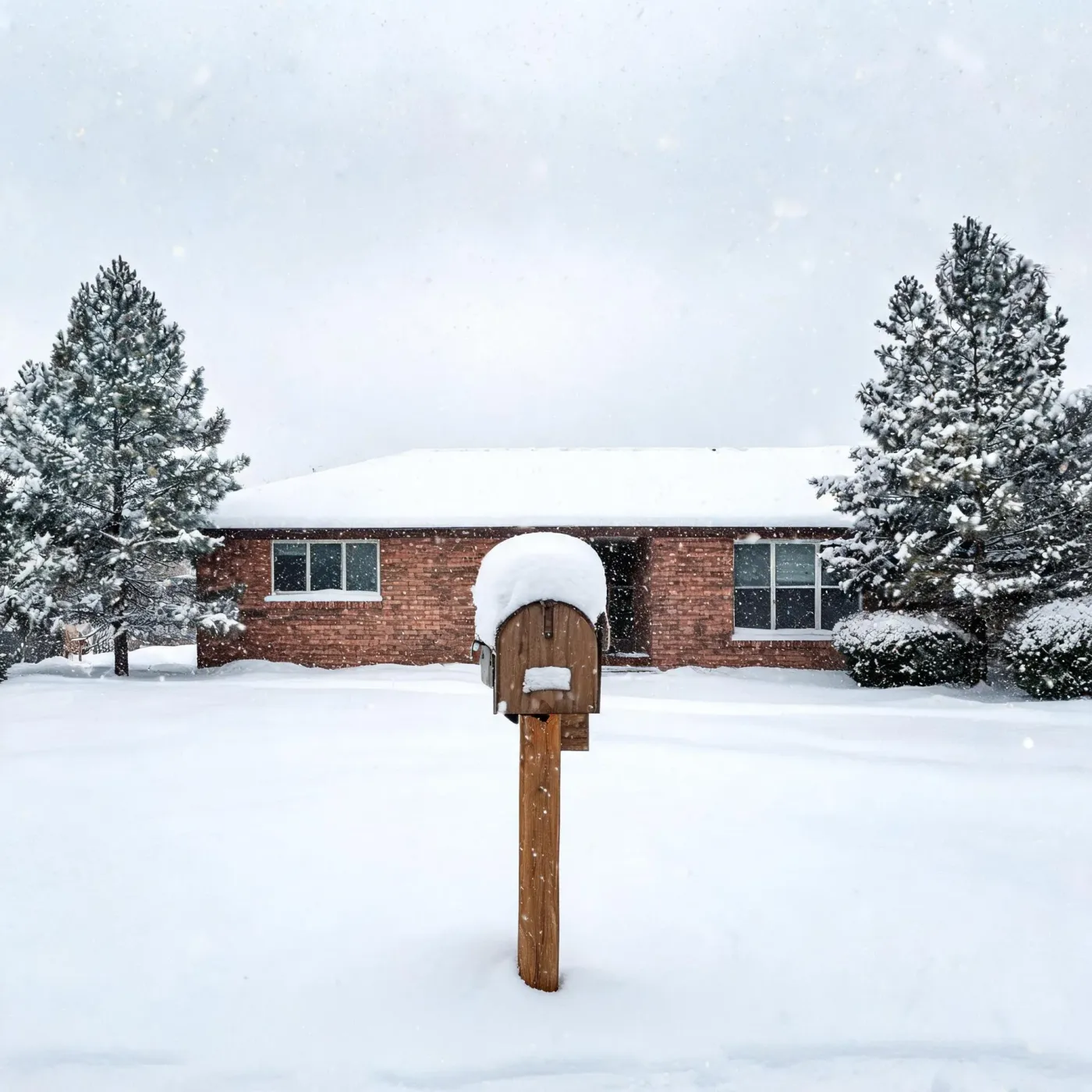
A snow-covered wooden mailbox on a post stands in a deep snowy yard in front of a single-story brick house flanked by snow-laden pine trees during falling snow.

Winter nights average 22°F statewide, according to NOAA climate data. At that temperature your furnace is running long cycles, often kicking on well before dawn to keep the house from cooling off while everyone sleeps. If the igniter is weak or the gas valve is slow to open, cold nights like these are when it shows, the furnace tries and fails right when you need it most. A furnace that's struggling won't wait for a convenient hour to quit. Once you send in the details, you're done hunting for someone who can look at it. No calling around, no repeating the same story to three different shops. That part is off your plate.

NOAA nClimDiv 1991-2020 county normals weighted by homes

Stop chasing a furnace pro

Describe what your furnace is doing once, in one form.

It costs nothing to send, and you don't have to hire anyone.

A dark interior hallway with a dim window at the end, a wooden floor, a stair railing on the right, and a bench or rug in the foreground.

You wake up without knowing why. The room feels wrong before you figure out how. It's 2 a.m. and the hallway outside your door is cold enough that you can feel it from the bed. You get up and the vent under the window isn't pushing anything. No hum from downstairs, no warm air on your bare feet. Frost has crept up the edges of the hallway window, and the thermostat shows a number ten degrees below what you set it to. Everyone else is still asleep. Outside, Indiana in January doesn't care what time it is, and the house is already losing the fight against it.

Call Now or Wait It Out

Call now

  • The furnace stays off while you wait, and on a 22°F night the house keeps losing ground every hour.
  • Pipes can start to feel the cold if the furnace is down long enough, especially near outside walls.
  • A frozen pipe or a cracked line is a separate repair on top of the furnace, and a harder one to catch early.
  • You skip calling around and explaining the same problem to three different shops.
  • Someone gets to the furnace sooner, and that's the whole difference a same-day call makes.

Wait it out

  • The house keeps cooling the longer the furnace sits off, and that doesn't reverse itself overnight.
  • A small problem, a weak igniter or a tripped limit switch, doesn't fix itself by sitting.
  • Space heaters can hold a room for a while, but they don't carry a whole house through an Indiana winter.
  • Searching for a contractor, checking reviews, and calling around still has to happen eventually.
  • The part that's wrong now is usually still just as wrong tomorrow, and the house is colder in the meantime.
A gas furnace with two gray access panels stands against a plain wall in a basement, connected to sheet-metal ductwork, white PVC vent pipes, and a yellow gas line.

What the inducer motor does

Before gas ever reaches the burners, the inducer motor spins up to pull air through the heat exchanger. It clears out any leftover gas and makes sure the exhaust has a path out of the house. The control board waits for a pressure switch to confirm the inducer is running before it lets gas flow. If that motor is weak or the pressure switch is stuck, the furnace won't move past this step at all.

A gray high-efficiency furnace in a basement corner with white PVC vent pipes, copper and black gas piping, and sheet-metal ductwork beside a plain white wall and wooden stair framing.

What the flame sensor does

Once the burners light, a thin metal rod called the flame sensor checks that fire is actually there. It reads the flame to confirm combustion is real, not just assumed. If the sensor is coated with soot or has worn out, the board shuts the gas valve within seconds, even though the igniter worked fine. That's why a furnace can click, glow, and still shut itself back down before any warm air reaches the vents.

Winter nights average 22°F statewide

At 22°F, your furnace is one of the few things standing between a comfortable house and a cold one. A short cycle or two of downtime won't be felt right away, but go a few hours without heat on a night like that and rooms near the edges of the house start to cool fast.

NOAA nClimDiv 1991-2020 county normals weighted by homes

A gray high-efficiency furnace with white PVC vent pipes stands on a concrete pad in a basement, beside sheet-metal ductwork, copper piping and a poured concrete wall with wood framing at left.

Furnace running right

A furnace in good shape sits level on the pad, ductwork tight above it, gas line and condensate pipe both doing their job without a mark of trouble. It cycles on, runs its course, and shuts off clean. Nothing to notice because nothing's wrong.


A beige gas furnace in a basement with a metal flue pipe, galvanized sheet-metal ductwork to its left, and gas and water pipes along the concrete wall to its right.

Furnace under strain

This one's older, and it shows. The flue pipe still vents, the shutoff valves still hold, but a furnace that's worked this many winters is more likely to hesitate on startup or lose heat output before anything fails outright. Worth a look before it quits on a cold night.

A closed dark laptop and a ceramic mug of coffee on a wooden dining table, with wooden chairs, a dark kitchen cabinet with cutting boards and a potted plant, and a leafy plant by a window in the background.

If the furnace won't light, get it checked before the house gets colder

A furnace that clicks and won't light, or won't start at all, usually comes down to the igniter, the gas valve, or a safety switch doing its job and shutting things down. None of that gets fixed by waiting. The breaker and the thermostat are worth a look first, but once those check out, it's a job for someone licensed to work on the gas line and the controls behind the panel.

What you don't have to do is spend the next hour searching for who to call, phoning a few numbers, explaining the clicking noise over and over, then sitting with three quotes trying to guess who's honest. Send this form once and that part is handled. You're left waiting on one call back, not juggling five.

Interior corner of a living room with a beige upholstered sofa and dark cushion in the foreground, a ceramic vase of leafy branches on a dark side table by a curtained window, a framed picture on the wall, and a wood-surround fireplace at right.
A smiling man in a dark blue T-shirt sits on a light gray sofa in a living room with a wooden shelf and window behind him, with a laptop edge visible in the foreground.
A bearded man in a plaid flannel shirt stands indoors looking out a frost-covered window, with a steaming dark blue mug on the wooden sill and snow-covered trees outside.

Hand off the furnace problem

A furnace that won't light is a job for a licensed contractor, not a guess on your part. Send the form and you're done with the part that eats an evening: searching, calling around, explaining the same problem twice. On a 22°F night that matters, because the house keeps losing ground the longer it sits. You hand off the finding and wait for someone qualified to sort out the igniter, the gas valve, or whatever's actually wrong.

Send my request

Answer a few questions instead of calling shop after shop.

No charge to send it. You decide if you hire them.


