
HVAC Repair in South Bend, IN
Homes here need heat from October through May and cooling from June through August. If your system quits, tell us what it's doing and a licensed contractor who covers St. Joseph County will get in touch.
Tell us about the job
It takes about a minute.
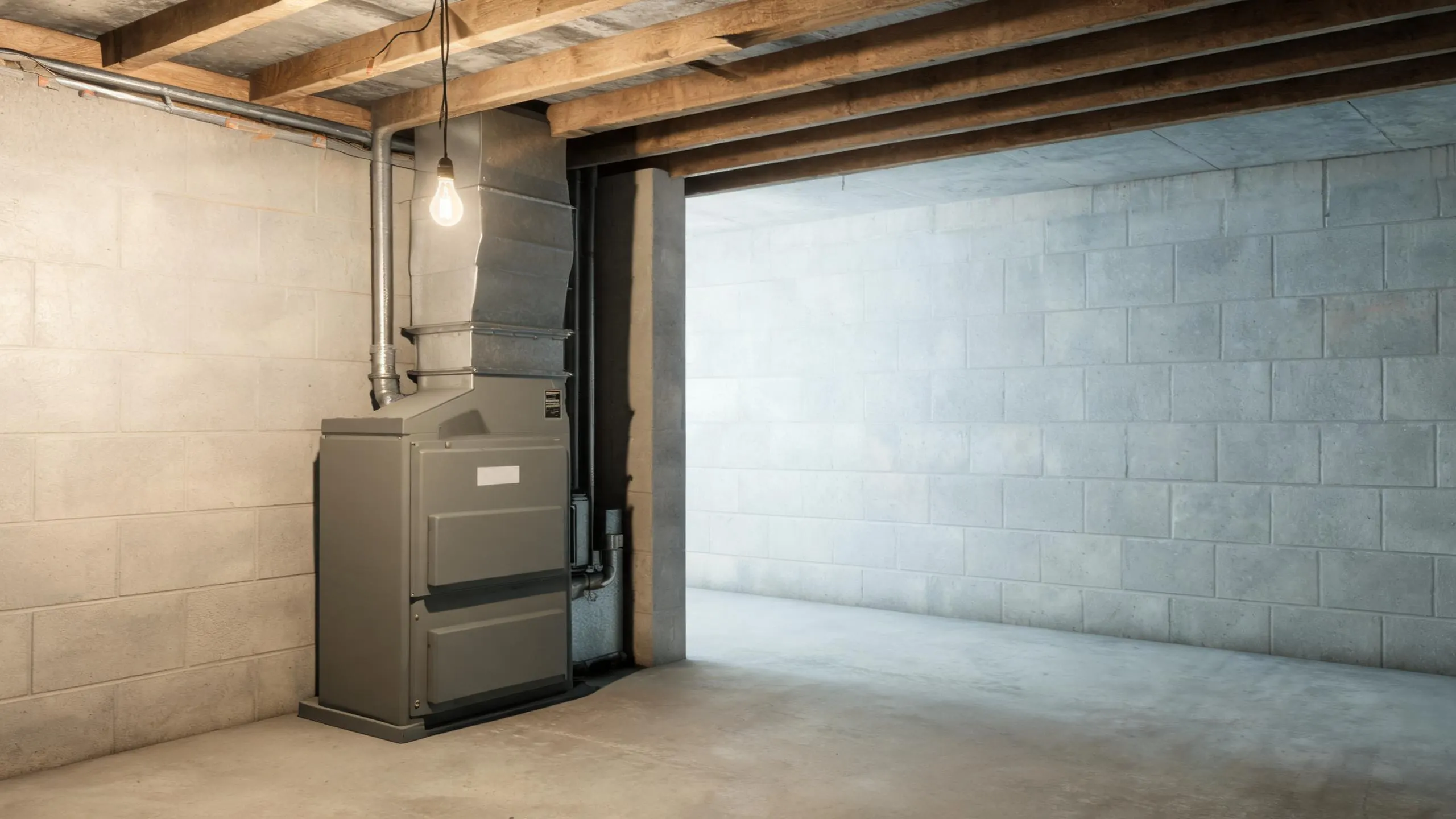
St. Joseph County asks a lot of your system, in both directions
Your furnace carries the house from October through May. That is eight months of runtime, with winter nights averaging 20°F from December through February. On the coldest nights it cycles on and off for hours at a stretch, and every cycle puts wear on the igniter and the heat exchanger. Most homes here heat with gas, so when the igniter finally gives out, the burner won't light at all.
Summer is shorter but not gentle. Afternoons average 81°F from June through August, and the compressor works to keep up. Only one month of the year asks nothing of your system either way.
St. Joseph County also sees real weather. Ten years of records show 12 winter storms and 159 damaging wind events, and statewide, 17% of households lost power for at least a day in 2024. A storm can knock out a furnace or an air conditioner outright, and after an outage, it's worth checking that both come back on and hold their setting.
- 8 months
- October through May, your system heats
- 3 months
- June through August, it cools
- 20°F
- the average winter night it heats against
- 81°F
- the average summer afternoon it cools against
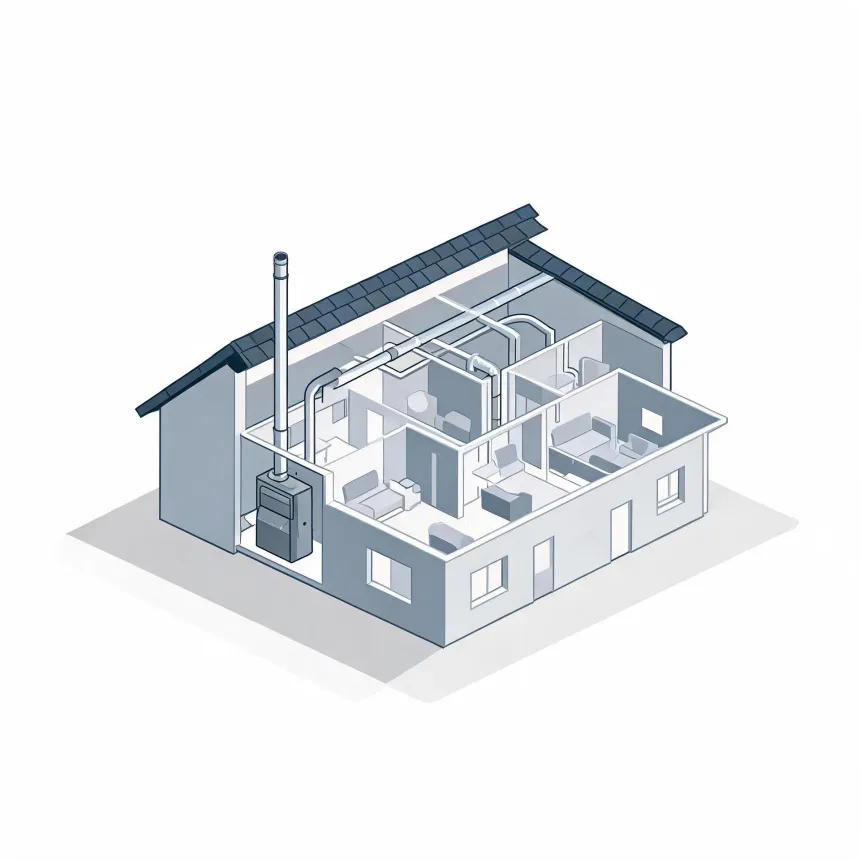
NOAA nClimDiv, 1991–2020 normals

A new furnace and air conditioner would cut about $130 a year off heating and cooling for a typical St. Joseph County home.
Estimates for a typical St. Joseph County home, compared with an older unit built to the previous federal minimum, from EIA household energy data, Indiana fuel prices and NOAA climate normals. Your home will differ.
Repair makes sense when one part has failed.
Replacement makes sense when the furnace's heat exchanger is cracked, the air conditioner's compressor has failed, or repairs keep coming.
In Indiana, HVAC licensing for homes is left to the counties and cities.
St. Joseph County sets its own rule on who can do this work. Indiana has no state HVAC license and never tested this contractor or put them on a state list. Whatever record exists, if one does, sits with the county or the city, not the state.
For a repair to a heating and cooling system, that leaves the county and the city as the ones who would set any rule for this job. If gas is involved, a bad connection is the dangerous part of the repair, and it is the local rule, not a state board, that would cover who checks that here.
Sources: Indiana Department of Workforce Development · State of Indiana
- Why is my heat not working?
- Most of the time it comes down to power, gas, or airflow. If your furnace runs on gas, check that the gas valve is open and the pilot or igniter is doing its job. If nothing is happening at all, check the breaker and the switch that looks like a light switch near the unit, since that shuts the furnace off for service and gets left off by accident. A dirty filter can also block enough airflow that the furnace overheats and shuts itself down as a safety measure. With winter nights here averaging 20°F, a furnace that will not start is worth getting looked at the same day.
- Why is my system running but not cooling the house?
- This usually means the air is moving but something is stopping it from actually cooling. A dirty filter is the first thing to check, since it chokes off airflow across the coil and can cause it to ice up. If the outdoor unit is covered in leaves or grass clippings, it cannot release heat the way it needs to, and the whole system suffers for it. If the filter is clean and the outdoor unit is clear, the problem is likely inside the system, low refrigerant or a failing part, and that calls for a contractor with gauges to find it.
- What can I check before calling for HVAC repair?
- Start with the filter. A filter clogged with dust will choke a furnace or air conditioner and cause problems that look far worse than they are. Next, check the thermostat has power and is set to heat or cool as needed, not just fan. Then check the breaker panel and any switch near the indoor or outdoor unit, since a tripped breaker or a switch bumped off is an easy fix you can rule out yourself. If those all check out and the system still is not working right, a contractor will need to look at what is going on inside it.