
HVAC Installation in Fort Wayne, IN
A new system here will heat from October through May and cool from June through August every year. Tell us about the house, and a licensed contractor who covers Allen County will get in touch.
Tell us about the job
It takes about a minute.
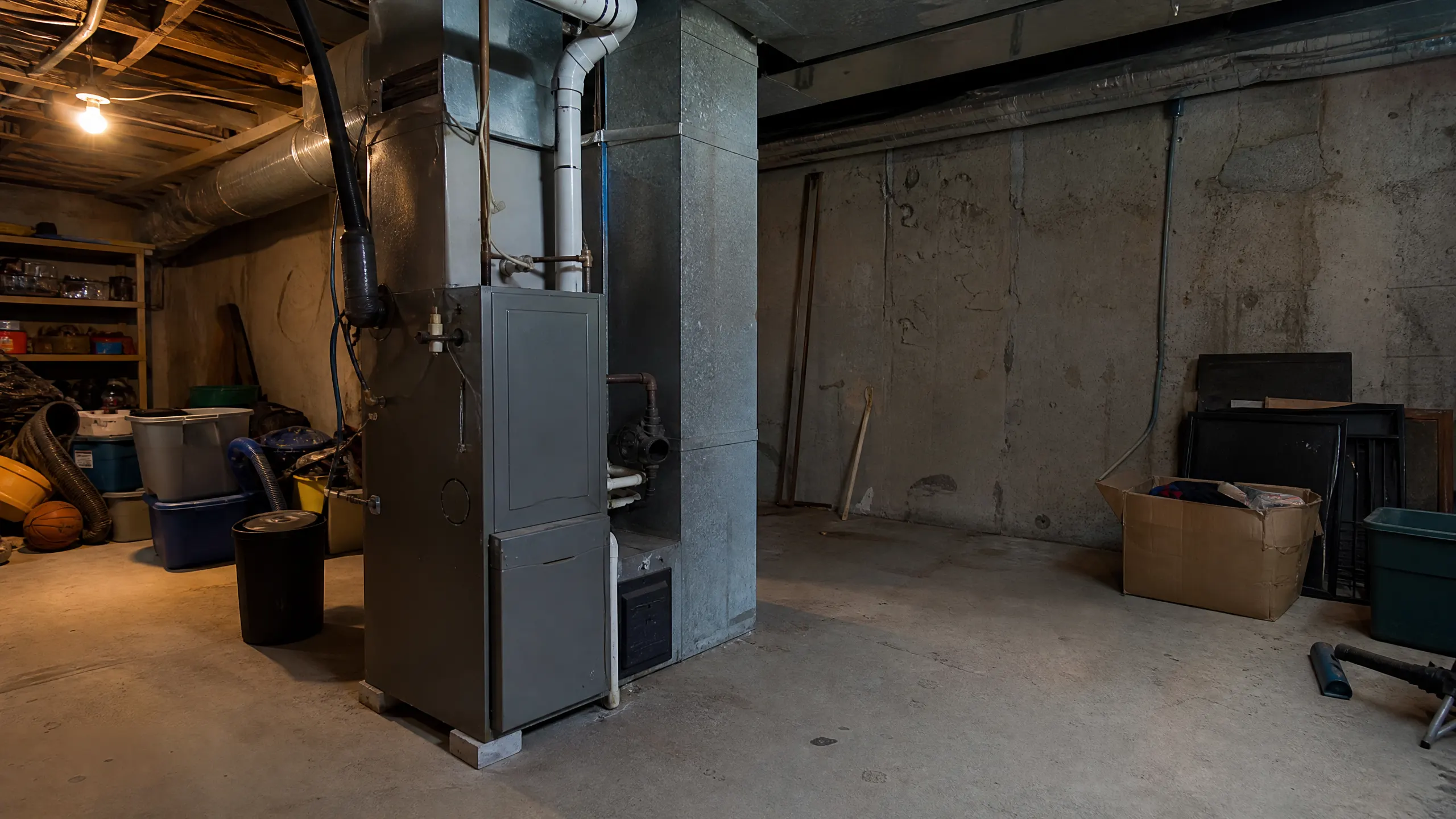
Eleven months of the year, your system is working
Fort Wayne only gives your system one month off. The rest of the year, either the furnace or the air conditioner is running. Heat is needed October through May, eight months in all, and winter nights average 21°F from December through February. Cooling runs shorter, June through August, with afternoons averaging 82°F. A new system has to be sized for both ends of that range, not just one.
Most homes here heat with gas, so whatever replaces your furnace will likely need to work with that setup. And with 17 percent of Indiana households losing power for at least a day in 2024, it's worth asking a contractor what your new system will and won't do when the power goes out.
- 8 months
- October through May, your system heats
- 3 months
- June through August, it cools
- 21°F
- the average winter night it heats against
- 82°F
- the average summer afternoon it cools against
NOAA nClimDiv, 1991–2020 normals
In Indiana, HVAC licensing for homes is left to the counties and cities.
Allen County does not run its own HVAC licensing board, and Indiana does not either. Whether a contractor needs a license to do this work depends on the city or county office where the house sits, not on any state list. There is no state exam behind the name on the truck and no state record to check.
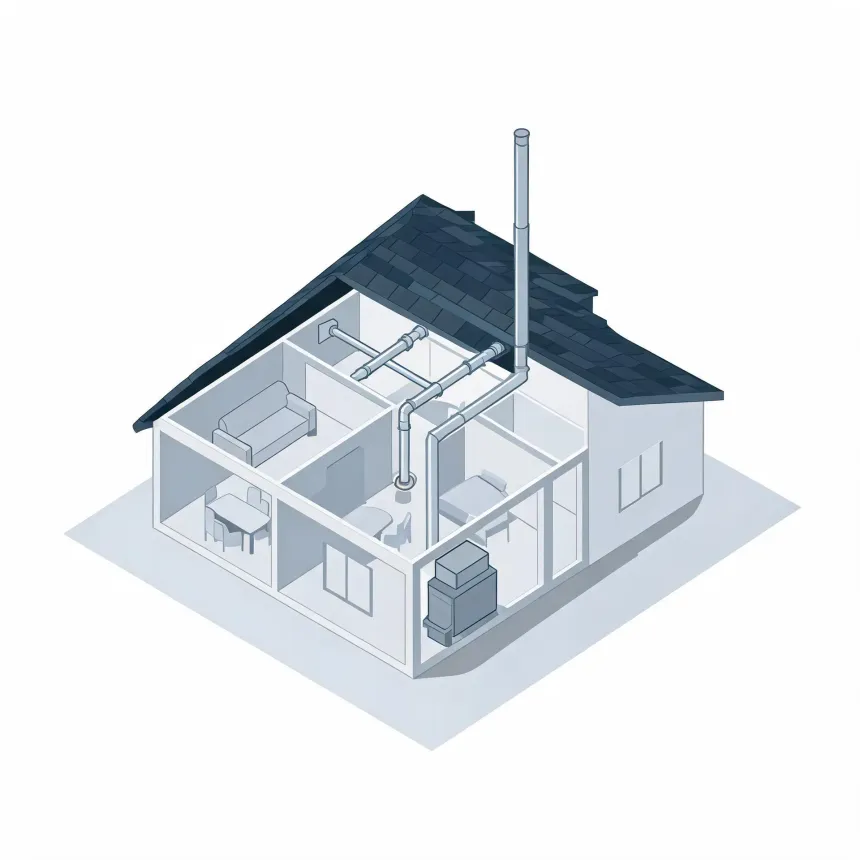
For a furnace and air conditioner installation, what protects you here is the permit. Most cities and counties require one before the old system comes out, and an inspection once the new one is in, so someone from the local building office checks the gas connections, the wiring and the venting before the job is signed off. That inspection is what stands between you and a bad connection on this job.
Sources: Indiana Department of Workforce Development · State of Indiana
- When should I replace my HVAC system?
- Replace it when repairs start happening every year, or when a technician tells you the heat exchanger or compressor is failing. Age matters too, and a contractor can tell you where your unit stands once they see it. A furnace or air conditioner that still runs but costs more to fix each time is telling you something. Homes here need heat from October through May, so it is worth dealing with a failing furnace before that stretch starts rather than during it.
- Should I replace my furnace and air conditioner at the same time?
- If both are old, replacing them together is usually the better path, but it is not required. A furnace and air conditioner installed years apart can still work fine side by side as long as each is sized correctly for the house. The main reason to pair them is that a matched system is easier to size right and easier to service down the road. A contractor can look at the age and condition of both and tell you whether waiting on one makes sense.
- What happens during an HVAC installation?
- A contractor removes the old equipment, sets the new furnace or air conditioner in place, and connects it to the ductwork, gas line or refrigerant lines, and electrical. They check the ducts for leaks or sizing problems, since a new unit connected to bad ductwork will not perform the way it should. Once it is running, they test it, check refrigerant charge or gas pressure, and confirm the thermostat is talking to the new equipment correctly. The exact steps depend on whether it is a straight swap or a bigger change to the system, so a contractor will walk you through what your install involves.