










Dryer taking too long to dry in Fort Wayne, IN

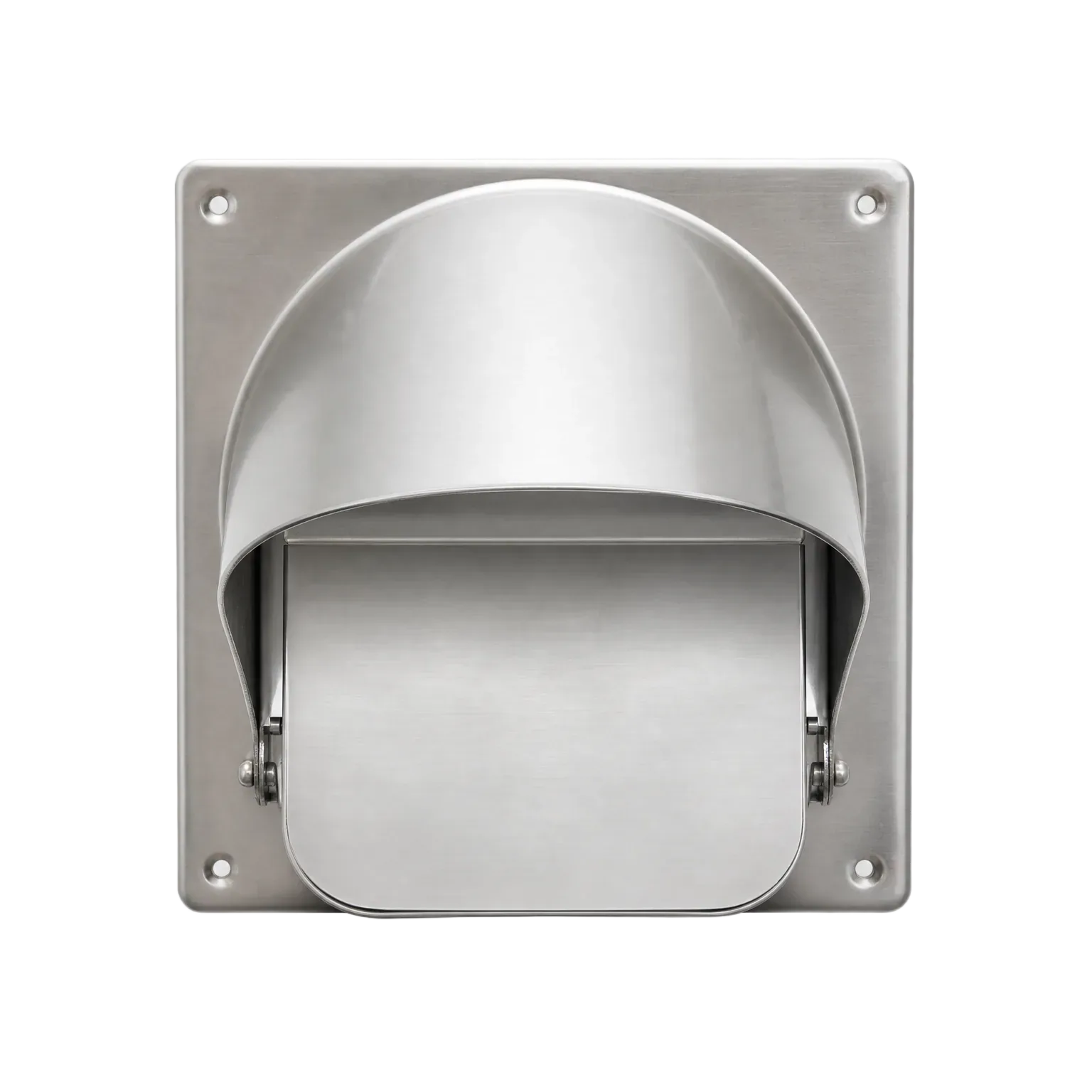
A stainless steel square wall vent with a curved hood and a hinged flap damper, shown straight on against a plain gray background.
Get matched

A dryer that runs a second or third cycle to finish a load is almost always short on airflow. Lint builds up inside the vent line itself, not just in the trap, and over time it narrows the path hot, wet air needs to escape through. In Fort Wayne, a lot of vent runs are longer than they need to be or have a few bends to clear a basement or second-floor laundry room, and each bend gives lint more places to catch. Once the line is restricted, the dryer has to push air harder to move it at all, so cycles run longer and the air coming out the hood feels weak or barely warm. Left alone, this gets worse, not better, since every load adds a little more lint to what's already stuck. It also means the dryer is working harder than it should for every load you run, no matter the season. Clearing the vent line restores the airflow the dryer was built to rely on.

A white plastic hooded dryer vent with a screened opening mounted on gray horizontal lap siding above a concrete foundation and gravel bed.
The flap opens freely and swings shut tight when the dryer stops, letting damp air escape with each cycle.
A white plastic dryer vent hood mounted on horizontal lap siding, clogged with gray lint at its lower opening, above a concrete foundation and walkway.
Lint packs the opening solid and stains run down the foundation, a sign the line has been backing up for a while.

Why does your dryer in Allen County struggle to keep up?

  • 2.47 people per household on average

    With 2.47 people in the average household here, laundry runs often, and a vent losing airflow gets less chance to dry out between loads.

  • Half the homes here were built by 1976

    If your home dates to 1976 or earlier, the vent run may be older galvanized duct, the kind that holds lint longer than smooth modern pipe.

  • Power here costs 16.78 cents per kilowatt-hour

    At 16.78 cents per kilowatt-hour, a dryer running two or three cycles to finish one load adds up fast on the power bill.

ACS 2020-2024 · EIA-861 2025

A white hooded dryer vent cover with a screened opening mounted on beige horizontal lap siding, with a blank white area filling the right side of the frame.

How far the air has to travel

A vent run of twenty-five feet with a couple of turns in it does more work than the same length run straight out a back wall. Every elbow slows the air down and gives lint a place to catch. Older homes around Allen County often have the dryer tucked away from an outside wall, so the line has to turn a corner or two before it ever reaches the hood. That path is fixed once the house is built, but keeping it clear matters more the longer and bendier it is.

A white hooded exterior vent cover with louvered grille mounted on light-colored horizontal lap siding, next to a blank wall corner.

What a full cycle actually moves

A dryer pushes a large volume of heated, moist air out through that line on every single load, not just a trickle. When the path is clear, that air leaves fast and the drum heats back up quickly for the next cycle. When lint has narrowed the line, the same volume has to push through a smaller opening, so the dryer runs hotter and longer trying to force the moisture out, and the clothes still come out damp at the end.

What's going on with your dryer right now

You've probably noticed it before you thought to question it. A load that used to take forty minutes now needs an hour, maybe longer, and you're pulling clothes out still damp at the seams and hems. The dryer itself feels hot to the touch, more than usual, and the laundry room holds onto heat and a faint musty smell after a cycle instead of clearing out. Check the outside vent hood while a load is running: if you feel only a weak puff of air instead of a strong, steady flow, that's airflow leaving through lint instead of outside. Left alone, a blocked vent makes the dryer work harder every cycle, and a restricted line is a known fire risk.

A woman in a cream turtleneck sweater stands beside a multi-pane window looking out at falling snow, with a dimly lit living room containing a lamp, sofa and shelves behind her.
A woman in a beige turtleneck sweater stands by a large window with snow-covered trees outside, in a living room with a lit lamp, sofa with cushions, and a wood stove with visible flames.
A woman with long dark hair in a beige knit turtleneck sweater stands beside a window with snow outside, looking off to the side, with a warmly lit living room containing a sofa, lamps and a coffee table behind her.
A woman with shoulder-length brown hair in a beige knit sweater stands near a window looking outside at falling snow and snow-covered evergreens, with a dimly lit living room, sofa, lamp, bookshelf and framed landscape painting behind her.

Find a dryer vent cleaning pro in Allen County

After you send the request, you're done searching.

It costs nothing to send, and you don't have to hire anyone.

Clean the vent and wait

A professional cleaning clears the line from the wall to the outside hood, pulling out the lint that built up over however many loads it took to get here. Airflow comes back right away, and the next load should run close to the time it says on the dial. This works when the vent itself is sound: the right diameter, not crushed behind the dryer, not full of sags where lint can settle again. For most homes in Fort Wayne, that's the whole problem, and clearing it is the end of it. You keep running the dryer the way you always have, just with a path for the air to actually leave the house.

When cleaning isn't enough

If the vent run is longer than it should be, has too many turns, or was pieced together with the wrong material somewhere along the line, cleaning buys you time but the lint comes back faster than it should. A duct that sags or one crushed behind the dryer will keep collecting lint at that spot no matter how clean the rest of the line is. In those cases the contractor doing the cleaning can tell you whether the run itself needs attention, not just what's sitting inside it. That's a different job, but it starts with the same visit, and you'll know which situation you're in once someone's looked at the actual line.

A hooded dryer vent mounted on beige lap siding, with gray lint buildup packed in and hanging from its louvered opening.
Before you get your dryer vent cleaning
A white hooded exterior vent cover with a screened lower opening, screwed to beige horizontal lap siding above a concrete foundation.
After you get your dryer vent cleaning

A dryer vent that runs straight out the wall with one or two bends clears itself out fast, and most loads dry on the first cycle without the dryer working any harder than it should.

A vent that snakes up through a floor or across an attic before it reaches outside gives lint more turns to catch on, and that same dryer can end up running two cycles for one load of towels.

2.47 people per household on average

With close to two and a half people in most Allen County households, the dryer is on a near daily rotation. A vent already losing airflow doesn't get much time to sit idle between loads, so lint keeps packing in before anyone notices the slowdown.

ACS 2020-2024

Clearing it yourself

Pulling the dryer out and vacuuming what you can reach from the trap gets some of the lint, the part sitting closest to the dryer. It can help a little if the clog is shallow. But most vent runs go a good distance before they reach outside, through walls or up through a floor, and a shop vac hose only reaches so far. If the slowdown started months ago and keeps getting worse, the buildup is probably further down the line than a vacuum can get to.


Having the line cleaned

A full cleaning uses equipment built to travel the whole run, from the wall connection to the outside hood, pulling lint out of bends and long stretches a vacuum never touches. It clears the line in one pass instead of chipping away at the near end. For a vent that snakes through a floor or an attic before it exits, this is usually the only way to get airflow back to where a load dries in one cycle again.

A bearded man in a plaid flannel shirt stands indoors looking out a window at a snow-covered conifer, with a steaming dark mug on the windowsill and wooden cabinets behind him.
A man in a dark blue t-shirt sits on a grey couch laughing while looking down toward an open laptop in the foreground, with a blurred kitchen and potted plant behind him.

What a clear vent fixes

  • A dryer that runs long is almost always a vent problem, not a dryer problem.
  • Lint builds up inside the line itself, narrowing the path hot air needs to escape.
  • Longer runs with more bends hold onto lint faster than a short, straight shot out the wall.
  • A cleaning clears the line from the wall to the outside hood, and airflow comes back the same day.
  • Once a contractor takes on the job, you're not the one tracking down who can do it.
  • Loads start finishing on the first cycle again once the line is clear.

A dryer that keeps running past the point it should isn't wearing out. It's working against a line that's lost most of its airflow to lint. That lint doesn't collect at the trap where you'd see it. It packs in further down, wherever the run bends or stretches longer than it needs to, and every load adds a little more until hot, wet air barely makes it out the hood. None of that is something a new dryer fixes, since the problem sits in the wall and the roofline, not the machine. Clearing the line out solves it directly. A contractor who does this runs a brush or a cable the full length of the vent, from the back of the dryer to the outside hood, and pulls out what's built up along the way, including the parts you can't reach by hand. Airflow comes back as soon as the line is open, so there's no waiting through a few loads to see if it worked. The next thing you dry should come out on one cycle, not two or three. Once you send the request, you're done chasing down who handles this kind of work. A contractor who covers Fort Wayne and the rest of Allen County takes it from there, and getting your line cleared stops being something you have to figure out on your own.

A dark grey hooded vent cover with a round downward-facing opening mounted on a dark grey horizontal lap siding wall.

The right pro for this job

Send the form and the dryer vent cleaning stops sitting on your list.

Duct and vent cleaningAllen County, IN
Step 1 of 3

What kind of equipment?