
AC Maintenance in Kokomo, IN
Air conditioners here run from June through August, so May is the time for a tune-up. Tell us about your system, and a licensed contractor who covers Howard County will get in touch.
Tell us about the job
It takes about a minute.
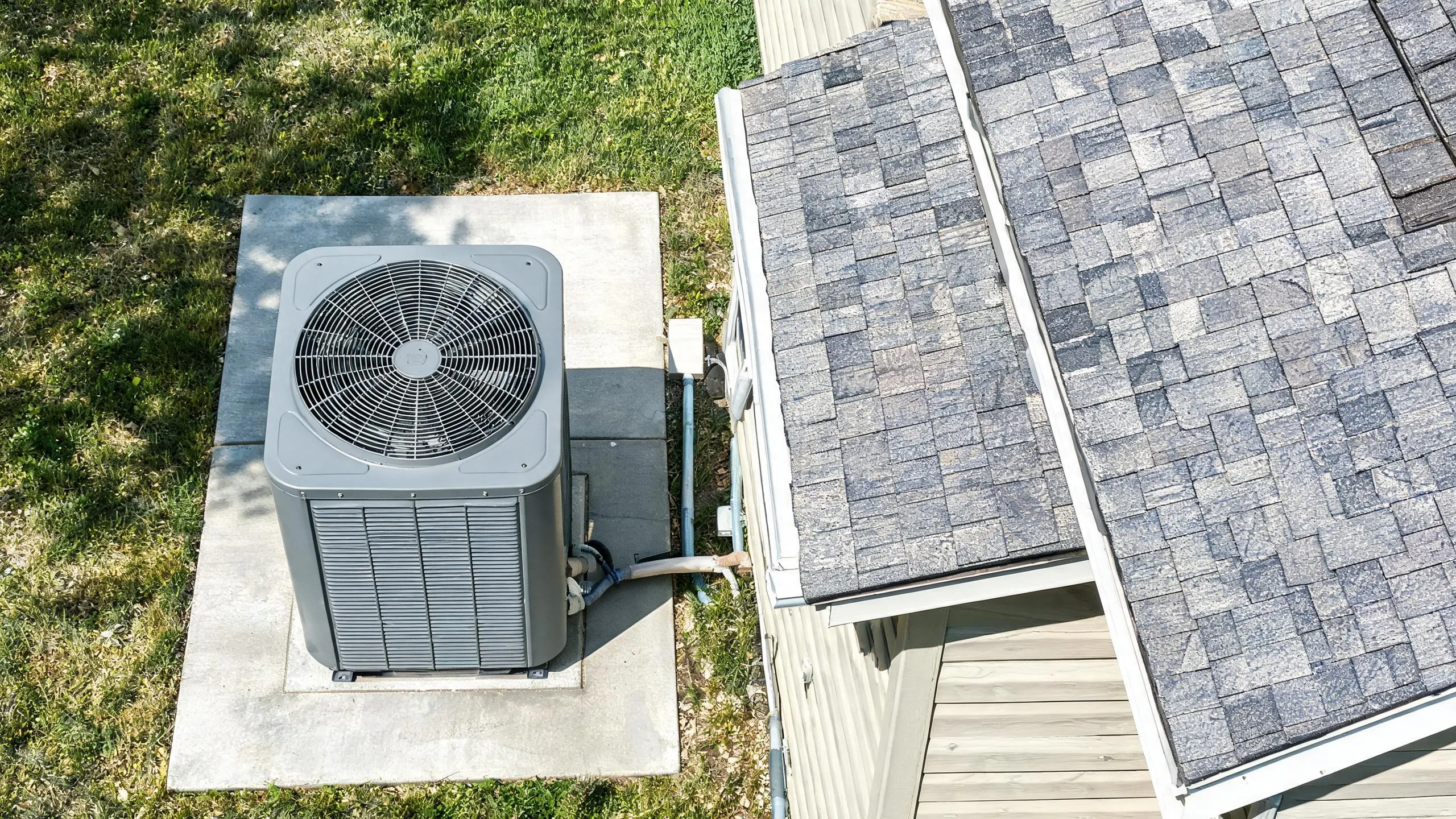
Three months of hard running
Your air conditioner in Kokomo gets three months to do most of its work, June through August, with summer afternoons averaging 82°F. It runs hard in that window and gets little chance to rest, so any weak part gets found fast.
Howard County has also logged 51 damaging wind events and six hail storms over the past ten years, one dropping hailstones near 2.85 inches. A tune-up checks the outdoor unit for bent fins and a strained fan motor, the kind of wear that summer storms and a short, hot cooling season leave behind.
- 3 months
- June through August, your air conditioner is on duty
- 82°F
- the average summer afternoon it cools against
- 6 hail events
- in ten years, and hail bends the fins on outdoor coils
- 51 wind events
- in ten years, and wind drives debris into outdoor units
NOAA nClimDiv, 1991–2020 normals

Book your AC tune-up in May, before homes here start needing cooling in June.
- Jan
- Feb
- Mar
- Apr
- May
- Jun
- Jul
- Aug
- Sep
- Oct
- Nov
- Dec
A tune-up checks the refrigerant charge, cleans the coils, tests the capacitor and tightens the electrical connections.
In Indiana, HVAC licensing for homes is left to the counties and cities.
Howard County sets its own rule for who can do HVAC work on a house, because Indiana leaves that decision to counties and cities. Whether a contractor needs a local license, and what that license checks, depends on the office in that county or city, not on any state board. There is no state exam or state record behind the name on the truck.
What does apply everywhere, including here, is federal. Maintenance on an air conditioner often means opening the refrigerant side to check the charge or the coil, and any technician who does that must hold EPA Section 608 certification. That is a federal credential earned by testing, not a local registration, and it covers the refrigerant handling part of the job no matter what Howard County does or does not require on top of it.
Sources: Indiana Department of Workforce Development · State of Indiana
- What does AC maintenance include?
- A technician checks refrigerant pressure, cleans the condenser coil, tests the capacitor, and looks over the electrical connections. They also check the thermostat calls for cooling correctly and the condensate drain isn't clogged. Your filter gets checked too, since a dirty one makes the whole system work harder. The goal is to catch a weak part before it fails on a hot afternoon, not just to look busy.
- How often does an air conditioner need maintenance?
- Once a year, in spring before it has to run hard. Kokomo only needs cooling June through August, so getting it looked at before then means it's ready when the heat sets in. Skipping a year doesn't ruin the unit, but small issues like a weak capacitor or a dirty coil tend to get worse quietly until the system is straining on the first 82 degree afternoon.
- Is AC maintenance worth it?
- Yes, because most of what fails in an air conditioner fails slowly. A weak capacitor, a coil coated in dust, a low refrigerant charge, these all make the unit work harder before they make it stop working. A yearly check catches that early, while the unit still has years of life left in it. It also matters here because the cooling season is short. Three months isn't much time to notice a slow decline before the system is struggling in the August heat.