
HVAC Installation in Muncie, IN
A new system here will heat from October through May and cool from June through August every year. Tell us about the house, and a licensed contractor who covers Delaware County will get in touch.
Tell us about the job
It takes about a minute.
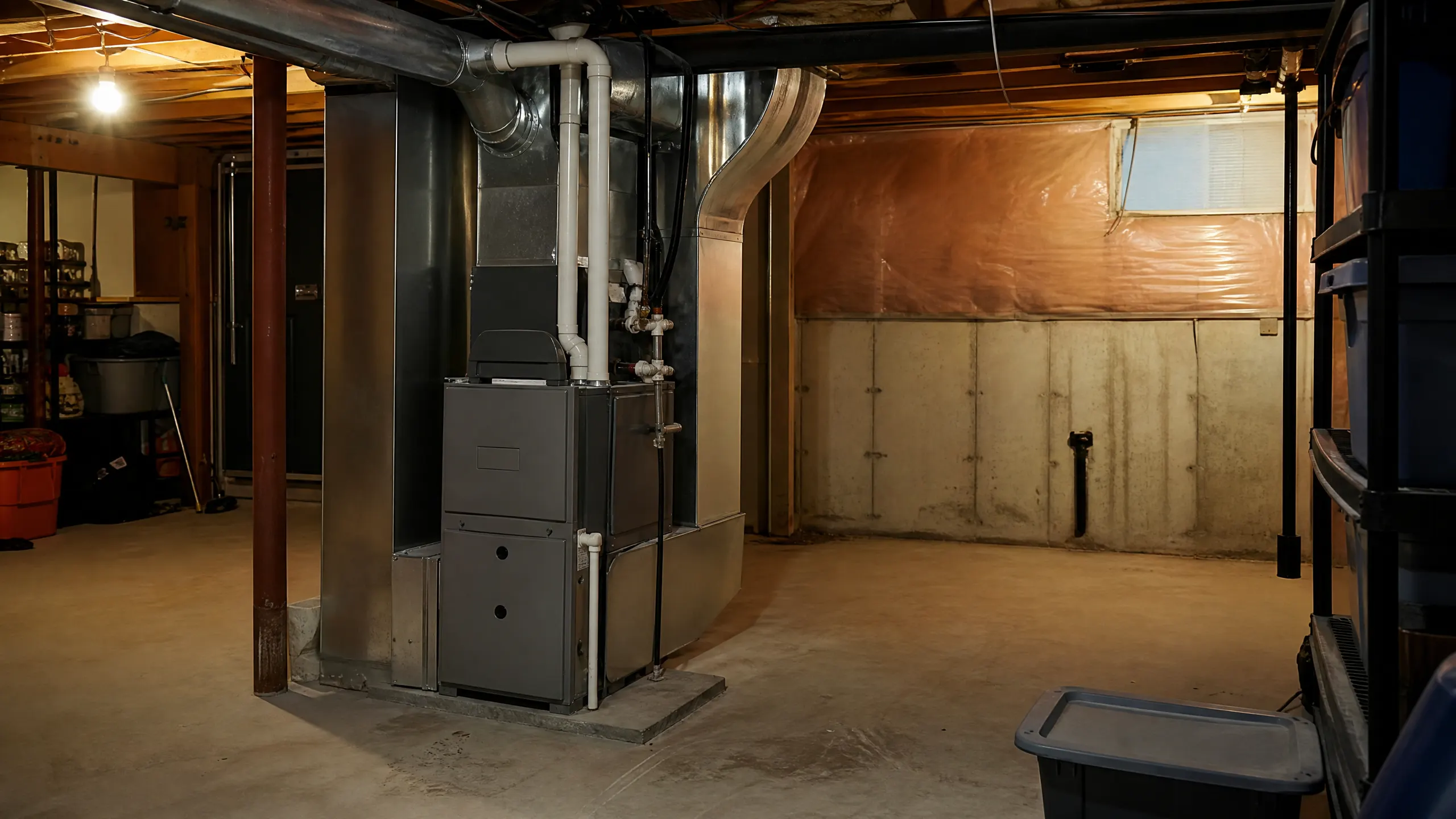
What a system here has to handle
Winter nights in Delaware County average 22°F from December through February, and homes need heat from October through May. That is 8 months of the year the furnace is the thing standing between your family and the cold. Summer only asks for cooling three months, June through August, with afternoons averaging 83°F. Add it up and a heating or cooling system is working 11 months out of 12 here.
Most homes in the area heat with gas, so the furnace does the heavy lifting most of the year while the air conditioner covers a shorter, hotter stretch. The county has seen 12 winter storms and 54 damaging wind events over the past ten years, and across Indiana 17% of households lost power for at least 24 hours in 2024. A new system installed here has to be sized for a long heating season, a real summer, and the chance the power goes out in the middle of either one.
- 8 months
- October through May, your system heats
- 3 months
- June through August, it cools
- 22°F
- the average winter night it heats against
- 83°F
- the average summer afternoon it cools against
NOAA nClimDiv, 1991–2020 normals
In Indiana, HVAC licensing for homes is left to the counties and cities.
Delaware County is one of the places where Indiana's rule leaves the decision to the county and city rather than the state. Whether a contractor needs a local license to do this work depends on where the house sits, not on any state list or exam. There is no state record of who is licensed to do this work, because Indiana does not keep one.
For this installation, the protection comes from the permit process rather than a license. Most cities and counties require a permit from the local building office before a furnace, air conditioner or heat pump gets replaced, and an inspection once the work is done. That inspection is what catches a bad gas connection or a system put in wrong, since that is the part of the job that can put a home at risk.
Sources: Indiana Department of Workforce Development · State of Indiana
- When should I replace my HVAC system?
- Once your furnace or air conditioner is old enough that a breakdown is a real risk and the repairs keep adding up, it is time to plan a replacement rather than wait for it to fail. Around here that failure could not come at a worse time. Winter nights average 22°F from December through February, and homes need heat running eight months of the year, October through May. Watch for a furnace that short cycles, an air conditioner that struggles to keep up on hot summer afternoons, or a system old enough that parts are getting hard to find. If your equipment is already showing those signs before another heating season starts, get it looked at now instead of waiting for a cold night to decide for you.
- Should I replace my furnace and air conditioner at the same time?
- If both are getting old, replacing them together often makes sense, but it depends on the shape each one is actually in. A furnace and air conditioner installed at the same time are matched to work together, and replacing one alone can leave you pairing new equipment with an aging unit that will need its own replacement soon after. Homes here need heat eight months a year and cooling three, so your furnace carries the heavier load and may show its age first, but that is not true in every home. A contractor can look at the age and condition of both and tell you whether it makes sense to do them together or one at a time.
- What happens during an HVAC installation?
- A contractor removes the old furnace, air conditioner, or both, and sets the new equipment in place, connecting it to your ductwork, gas line or electrical circuit, and the refrigerant lines if an air conditioner or heat pump is involved. They will check that your ducts are sized right for the new equipment, since a system that does not match the ductwork will not heat or cool evenly. Once everything is connected, the contractor tests the system, checks refrigerant charge and airflow, and walks you through the thermostat and any controls. Delaware County may have its own licensing rules for who can do this work, so check that whoever you hire is licensed to install HVAC equipment there.