
HVAC Installation in Elkhart, IN
A new system here will heat from October through May and cool from June through August every year. Tell us about the house, and a licensed contractor who covers Elkhart County will get in touch.
Tell us about the job
It takes about a minute.
What Elkhart County asks of a new system
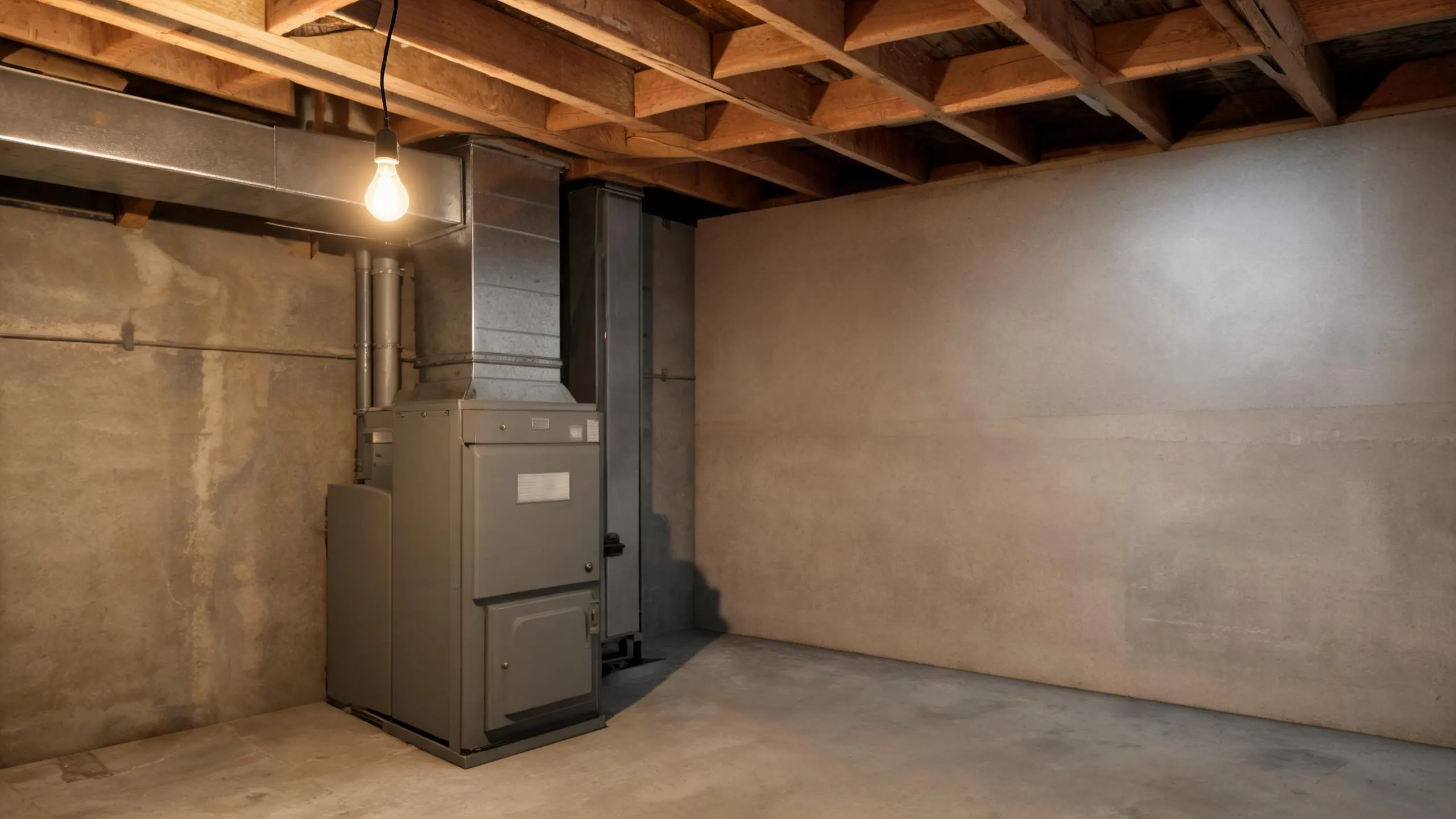
Your furnace or heat pump here works eight months a year, October through May. Winter nights in December through February average 20°F, cold enough that a new system has to be sized to keep up on the coldest nights without running nonstop. Summer only asks for three months of cooling, with afternoons averaging 82°F, so most of the load on a new install falls on the heating side. Most homes here heat with gas, and a new furnace has to meet the federal minimum efficiency rating.
Elkhart County sees its share of rough weather. Ten years of records show 17 winter storms and 117 damaging wind events, and in 2024, 17% of Indiana households lost power for 24 hours or more. If you're installing a new system, it's worth asking what happens to it when the power goes out and how it comes back on once it does.
- 8 months
- October through May, your system heats
- 3 months
- June through August, it cools
- 20°F
- the average winter night it heats against
- 82°F
- the average summer afternoon it cools against
NOAA nClimDiv, 1991–2020 normals
In Indiana, HVAC licensing for homes is left to the counties and cities.
Elkhart County sets its own rule for who can do this work, and whether a contractor needs a local license depends on the city or township the house sits in. There is no state exam or state record to check here. What exists instead is whatever the county or city office requires, and that varies by address.
For an installation, the protection that matters most is the permit. In most places a new furnace, air conditioner or heat pump needs a permit from the local building office, and the finished work gets inspected before it is signed off. That inspection is what catches a bad gas connection or a system put in wrong, not a license number.
Sources: Indiana Department of Workforce Development · State of Indiana
- When should I replace my HVAC system?
- Replace it when repairs start costing more than they're worth or when the system can't keep up anymore. A furnace working hard every winter night at 20 degrees for months at a time wears out faster than one in a milder climate, so watch for longer run times, uneven heat, or a technician telling you the same part keeps failing. Age matters on its own too. If yours is old and struggling, it's worth replacing before it fails rather than after, especially heading into a winter that runs from October through May here.
- Should I replace my furnace and air conditioner at the same time?
- If they're close in age, yes, and it's worth asking a contractor about doing both. A furnace and air conditioner installed years apart were matched to different standards, and pairing an old one with a new one can mean the new equipment never runs the way it was designed to. Homes here need heat eight months a year and cooling three, so the furnace does most of the work and tends to wear out first. If yours is still running fine and isn't old, there's no reason to replace it just because the air conditioner failed.
- What happens during an HVAC installation?
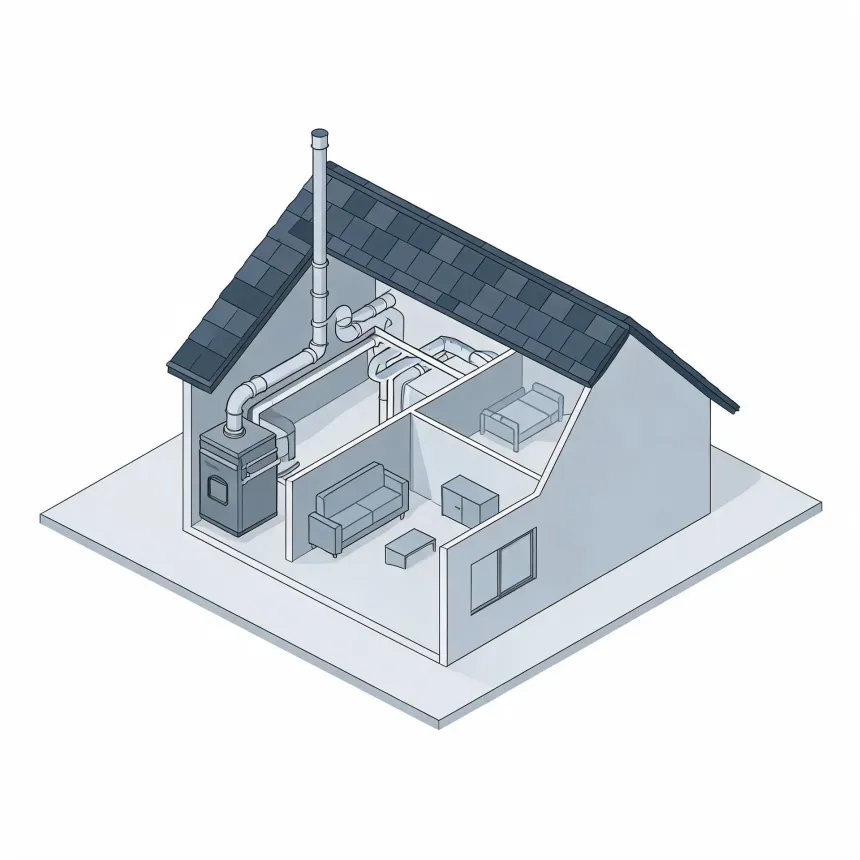
- A contractor removes the old furnace, air conditioner, or both, and sets the new equipment in place, matching it to the ductwork already in the house. This includes connecting gas and electrical lines, running the refrigerant line for the air conditioner, and sealing the vent that carries exhaust outside. Once everything is connected, the contractor tests the system, checks airflow through the ducts, and confirms the thermostat is talking to the new equipment correctly. A contractor walking the house beforehand will know exactly what the job involves and can price it for your setup.