
Furnace Installation in Portage, IN
A new furnace here will run from October through May every year. Tell us about the house, and a licensed contractor who covers Porter County will get in touch.
Tell us about the job
It takes about a minute.
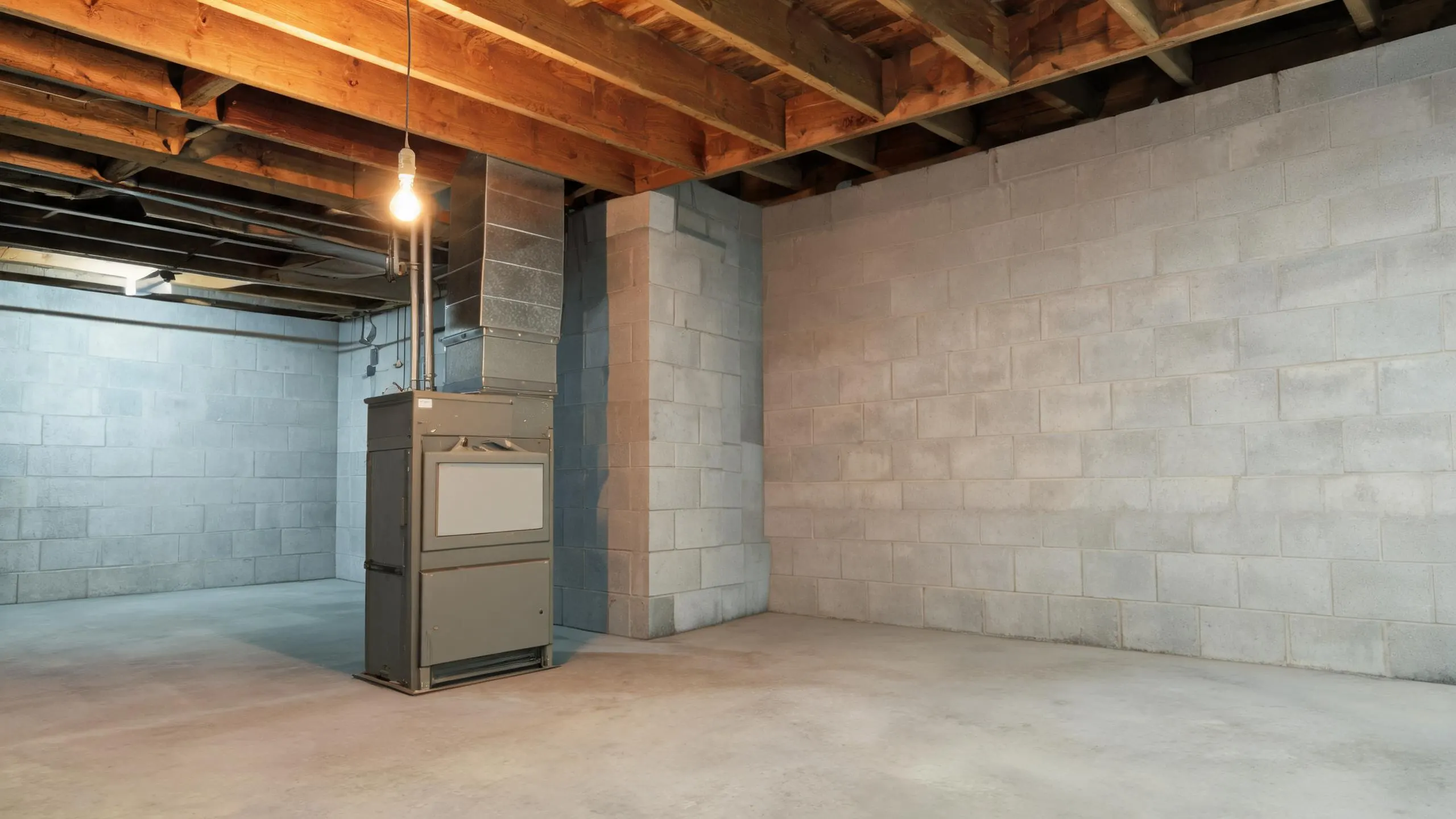
Portage asks a furnace to run eight months a year
Heat goes on in October here and most homes don't shut it off until May. Winter nights average 20°F, so whatever furnace you install spends most of its life working, not sitting idle. Almost nine out of ten homes in the area heat with gas, and a new gas furnace built today has to hit 80 percent AFUE. That's the federal floor, not a selling point.
Porter County has seen 13 winter storms and 101 damaging wind events over the past ten years, and statewide, 17 percent of households lost power for at least a day in 2024. A furnace that comes back on by itself once power returns matters here.
- 8 months
- October through May, your furnace is on duty
- 20°F
- the average winter night it heats against
- 87%
- of homes here heat with gas, so most furnaces here burn gas
- 80% AFUE
- the federal minimum any new unit must meet
NOAA nClimDiv, 1991–2020 normals

A high-efficiency gas furnace would save about $100 a year to run in Porter County compared with a gas furnace.
Estimates for a typical Porter County home, from EIA household energy data, Indiana fuel prices and NOAA climate normals. Your home will differ.
In Indiana, HVAC licensing for homes is left to the counties and cities.
Whether a contractor needs a local license for this job depends on the address, since Porter County and its cities set that rule themselves, not the state. There's no state test behind it either way, and no state record to check, because Indiana doesn't issue one.
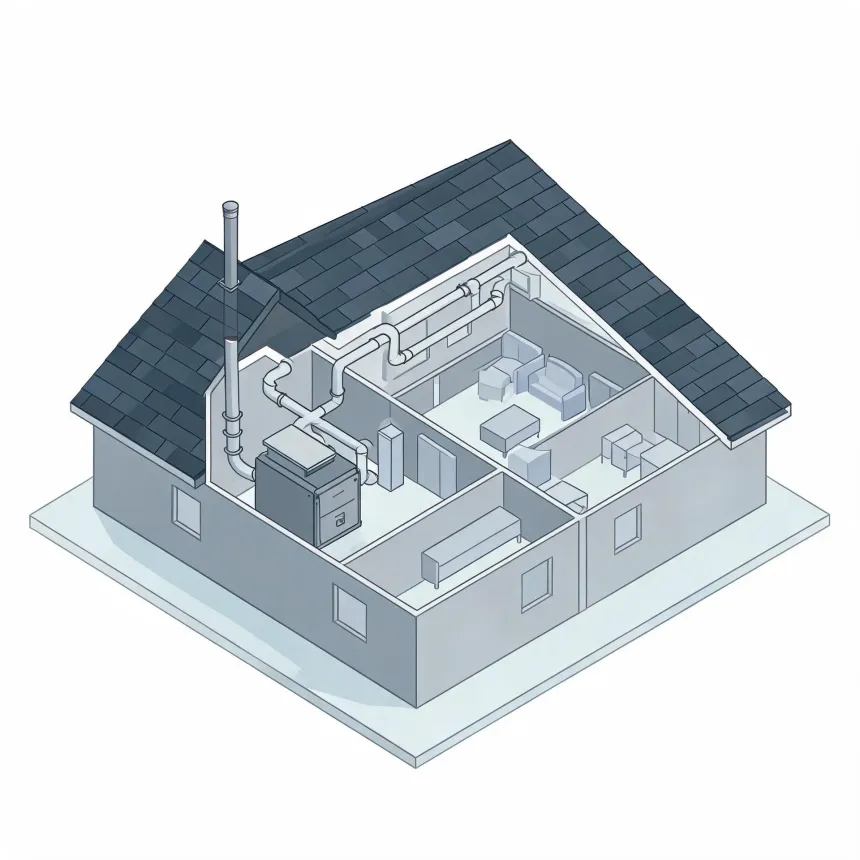
In most cities and counties, a furnace installation needs a permit from the local building office and an inspection once the work is done. That inspection is the local check on the job where the state has none. Almost 9 in 10 homes in Porter County heat with gas, which is what makes that furnace hookup part of the work worth getting right.
Sources: Indiana Department of Workforce Development · State of Indiana
- What size furnace does my house need?
- There's no single number that works for every home. A contractor sizes a furnace using a load calculation that accounts for your square footage, insulation, window count, ceiling height, and layout. Going too big wastes fuel and wears out the furnace faster through short cycling. Going too small leaves you cold on the coldest nights, and here that means nights averaging 20°F through the winter. Ask whoever quotes the job to show you the load calculation, not just a rule of thumb based on square footage alone.
- How do I know it's time to replace my furnace?
- Age is one thing to look at, alongside how often it's breaking down. A furnace here works from October through May, 8 months a year, so it puts in more hours than one in a milder climate. Rising repair frequency is the clearer sign. If you're calling for a repair every winter, or the last repair cost a real fraction of what a new furnace would run, replacement usually makes more sense than another fix. A furnace that can't keep the house warm on the coldest nights, even after a repair, is also telling you something.
- Is a high-efficiency furnace worth it?
- It depends on how long you plan to stay in the house and what furnace you have now. Every non-weatherized gas furnace made since November 2015 has to hit at least 80 percent AFUE by law, so the real choice is between that baseline and a furnace rated higher. With heat needed 8 months out of the year here, a difference in efficiency shows up on more bills than it would somewhere with a shorter winter. A contractor can walk through the actual models available and what each one costs installed, since that's not something to guess at.