Airflow staying balanced
A furnace is built to push a set amount of air through the ductwork. Leave the vents open and that air moves the way the system was designed to handle it, out through the registers and back through the return.

You've got a couple of rooms you don't use much, and it seems like it should save gas to shut those vents and stop heating empty space. Before you go around closing registers all winter, it's worth knowing what that actually does to your furnace and the rest of the house, not just the room you closed off.
Your furnace is built to push a certain amount of air through the duct system. Close off a few vents and that air has nowhere to go, so pressure builds up in the ducts. The blower has to work against that pressure, which doesn't lower your gas use, it just makes the furnace run harder for the same result. In the worst case that extra pressure finds its way out through duct seams and joints, so you end up paying to heat air that leaks into your attic or crawlspace instead of your rooms. With gas prices here about typical for the area, the honest way to cut your heating bill is a furnace that's running clean and properly set, not fewer open vents.

A furnace is built to push a set amount of air through the ductwork. Leave the vents open and that air moves the way the system was designed to handle it, out through the registers and back through the return.

Close off enough vents and the air has nowhere to go. Pressure inside the ducts and the cabinet rises, the blower works against it, and a furnace already showing rust and wear takes on more strain it doesn't need.

Close vents in the spare bedroom and the guest room, and the furnace doesn't know those rooms are shut off. It keeps pushing the same amount of air. That air has to go somewhere, so pressure builds in the ducts and pushes back against the blower. The motor works harder to move the same volume through a smaller opening, and that shows up on your gas bill instead of lowering it.
It also shows up in the house itself. Warm air finds the gaps it can, around duct seams and door frames, instead of coming out the register where it belongs. You might notice a room down the hall getting stuffy, or a return vent rattling that never did before. If something in the furnace starts failing from the extra strain, a local contractor who services furnaces in Indiana homes all winter can look at the whole system instead of just the one register you closed, rather than you spending an evening on the phone with two or three companies trying to describe what's going on.





A licensed local pro takes the request for your furnace tune-up.
You only hire the pro if you want to.
A blower motor is built to move a set number of cubic feet of air per minute. Close off enough vents and it fights to push that same volume through a smaller opening.
That fight costs more to run than the furnace saves by heating a smaller space, and over a winter it can wear down the motor and the heat exchanger faster than if you'd left the vents alone.


You stop warm air from reaching that room, but the furnace keeps sending the same volume of air through the ducts whether the register is open or shut.
The system runs the way it was built to run. A furnace service visit catches a duct or airflow problem before it turns into a bigger repair.


Your thermostat only knows the temperature where it sits. Close vents in rooms you don't use and the air in those rooms stops moving, but the thermostat near the living room has no idea. It keeps calling for heat based on what it reads right there, so the furnace runs its normal cycle regardless of how many registers are shut.
Meanwhile the ductwork was built around a certain amount of open space. Shut a few registers and the air the blower is still pushing has fewer places to go. Pressure builds in the trunk line. Ducts are sealed at the joints, not welded, and under enough pressure some of that heated air finds its way out through those seams instead of reaching a register at all. You paid to heat that air and it never made it to a room.
The return side doesn't change either. It pulls the same volume of air out of the house to send back through the furnace, closed vents or not. If supply air can't get where it's going, the system ends up pulling from wherever it can, sometimes from unconditioned space like an attic or crawl space, which is the opposite of what closing the vent was supposed to do.
A furnace shuts off when its heat exchanger reaches a set temperature, not when a room feels warm. Trapped air inside a pressurized system can trip that limit sooner, so the far rooms you were trying to warm may get even less heat than before.
Indiana's overnight lows average 22°F through December, January and February, so your furnace is working against real cold most nights, not just a chill. Closing vents to save heat only adds strain while it's already working hard to keep up.
NOAA nClimDiv 1991-2020 county normals weighted by homes
Closing vents doesn't save heat. It makes your furnace work against itself while it tries to keep up with an Indiana winter. The gas you'd save by shutting off a spare room gets spent fighting the extra pressure in the ducts, and that strain lands on parts that weren't built to work against a closed register. A furnace technician who services equipment around Indiana all winter has seen what that strain does over time, the cracked heat exchangers, the blower motors that wear out early, the systems that short cycle because the airflow isn't what it was designed to be. Maintenance catches that kind of wear before it turns into a breakdown on a cold night. When you put in a request, it goes to one contractor, licensed and working in your area, not a handful of companies calling you back at once. Someone who already knows what tends to go wrong on furnaces run with closed vents can check for it directly instead of starting from scratch.
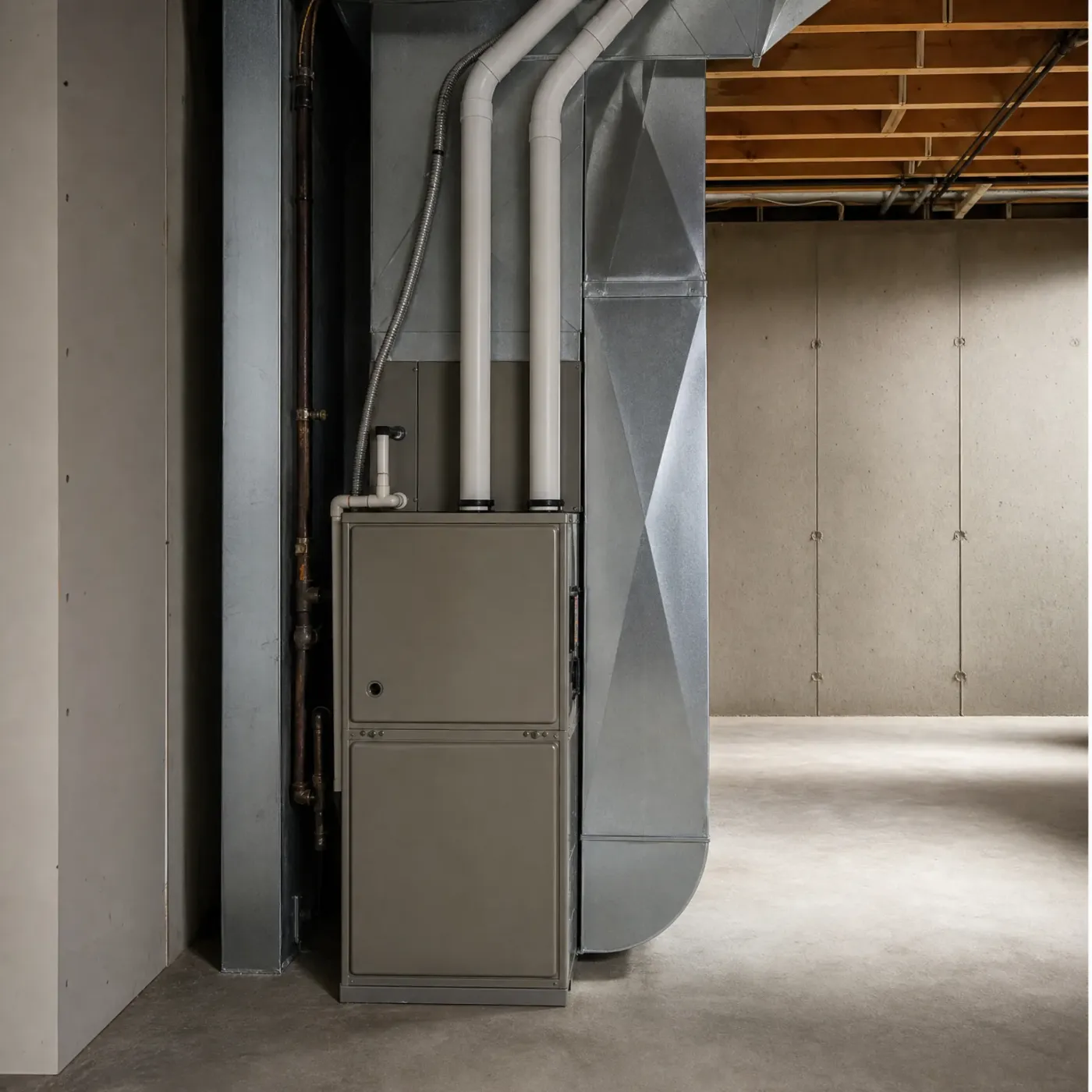
The pro who reaches out is licensed in Indiana.
No fee to send it, and nothing to sign.
